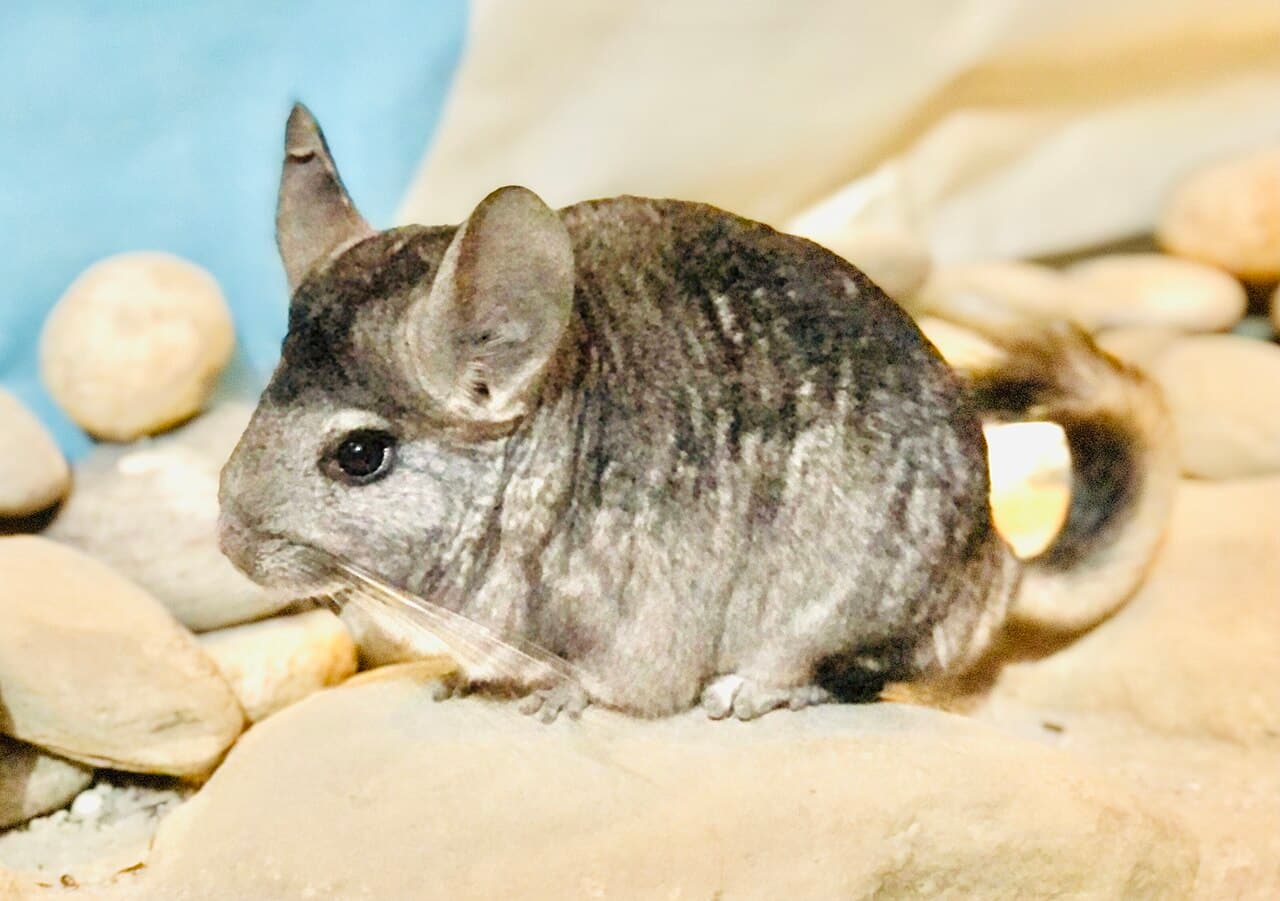
Dozens of hairs can grow from a single chinchilla hair follicle. That remarkable density helps explain the animal's famously soft coat—and why its fur became the reason so many wild chinchillas were killed.
Behind the familiar pet is a South American wildlife story. Chinchillas are rodents shaped by rocky, dry environments, and their wild relatives need attention just as much as more famous endangered animals.
Why is chinchilla fur so thick?
The Smithsonian's National Zoo reports that up to about 60 hairs can grow from one follicle. The dense coat provides insulation in cool mountain conditions.
Large ears, long whiskers, and strong hind legs complete the animal's distinctive appearance. Beneath the plush outline is an agile rodent capable of moving quickly among rocks.
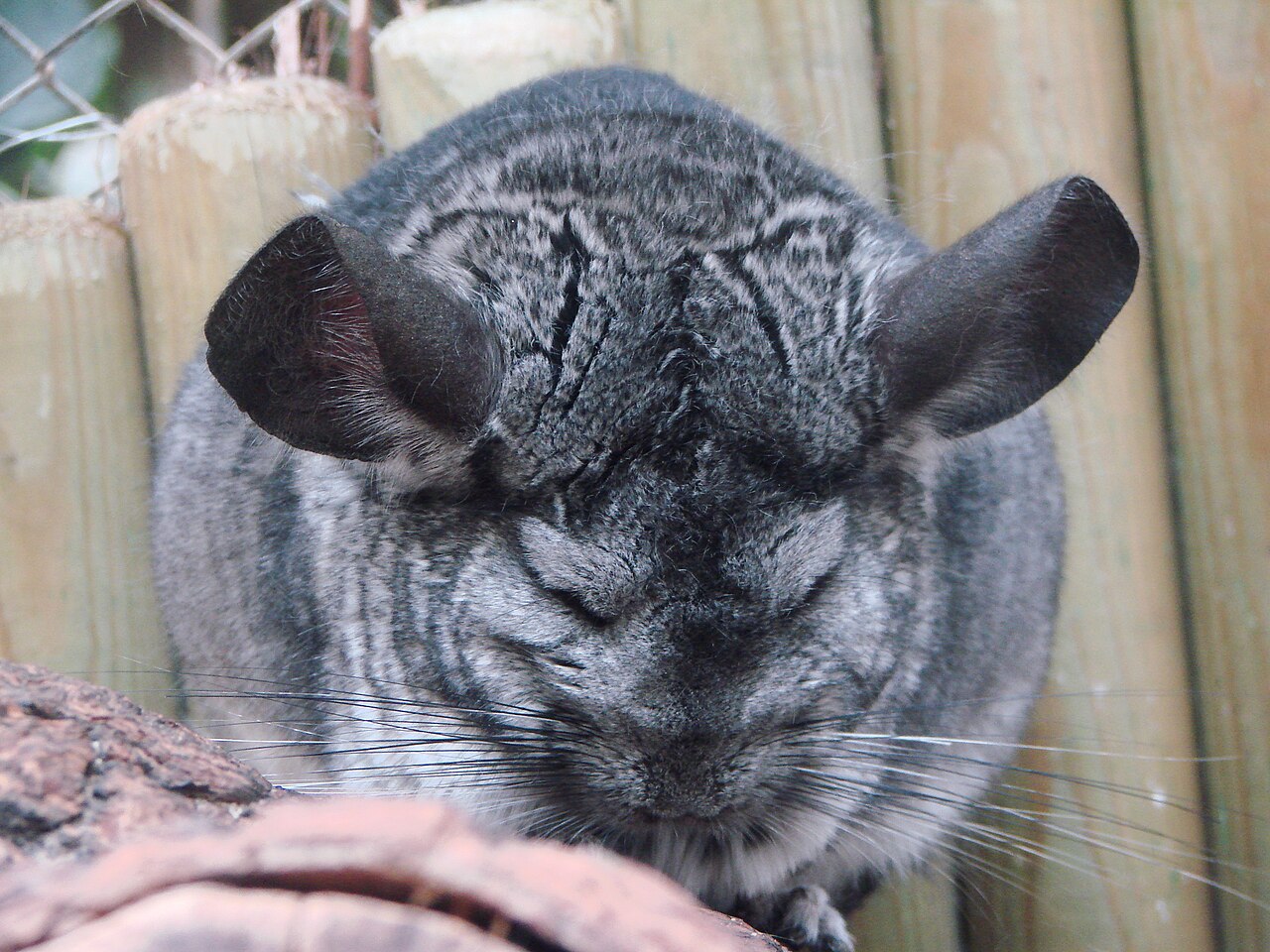
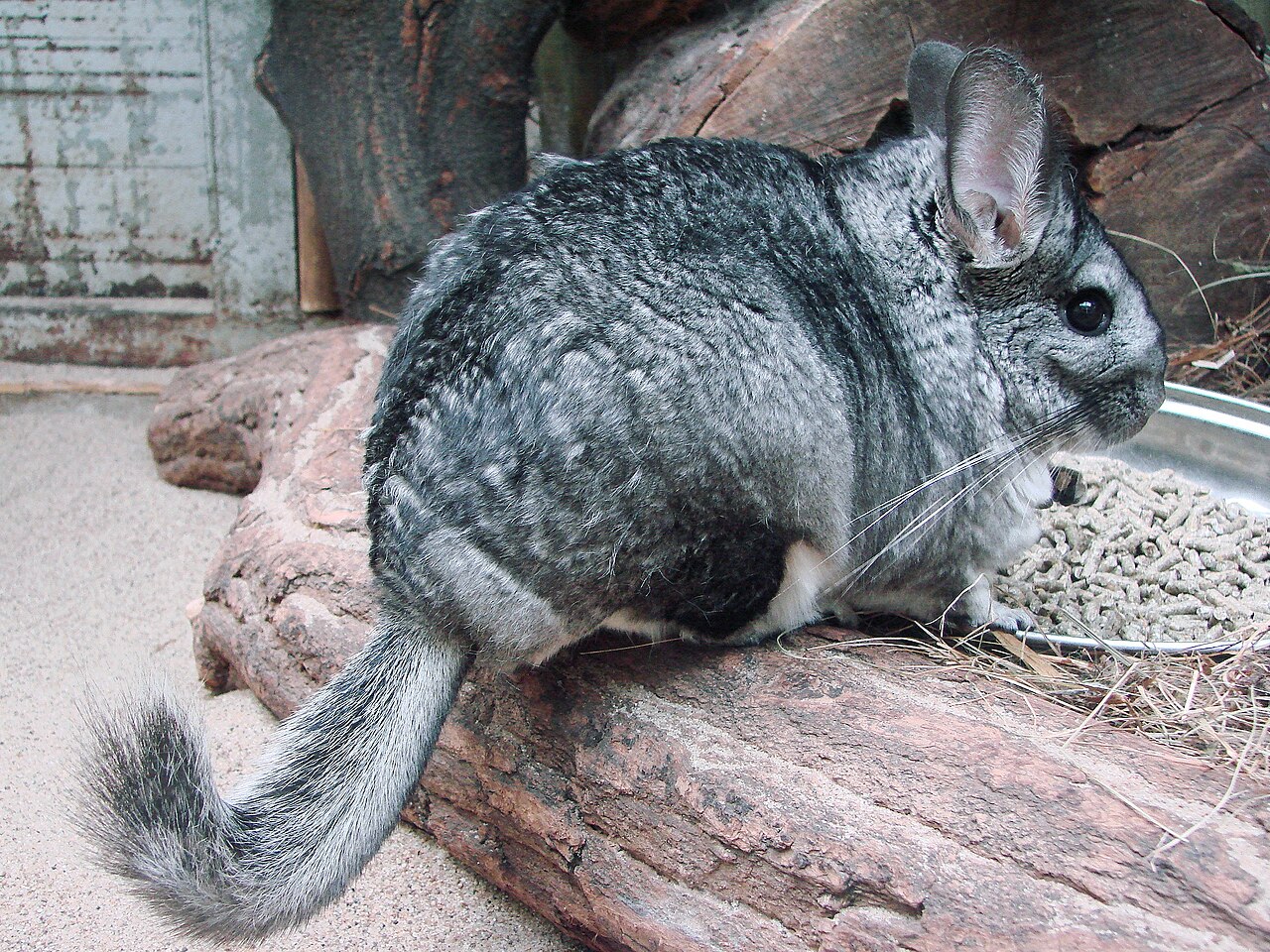
The photographs here show long-tailed chinchillas in zoos. They illustrate the animal's features, rather than documenting a wild colony.
Two species, one important distinction
The San Diego Zoo Wildlife Alliance recognizes the long-tailed chinchilla, Chinchilla lanigera, and the short-tailed chinchilla, Chinchilla chinchilla.
Long-tailed chinchillas are the type more commonly associated with pets. Animals bred in human care can differ in size and appearance from wild populations.
That distinction matters. Seeing many captive chinchillas does not tell us that the species is doing well in its natural habitat.
Life in rocky country
Wild chinchillas use cracks and spaces among rocks as shelter. They eat mainly plant material and are most active at night or around twilight.
Strong hind legs help them move through broken terrain. Dust bathing helps maintain their dense coats, a behavior well suited to their dry surroundings.
They are also social animals. Their lives include the sounds, encounters, and shared spaces of a colony, rather than just the solitary portrait we often see.
Fur that brought a heavy cost
Both species have suffered from hunting and trapping for the fur trade. Habitat loss and degradation add pressure, including impacts from mining and grazing in parts of their range.
The zoo sources list both wild species as Endangered. Protecting their natural habitat remains essential even while domesticated chinchillas are familiar around the world.
A chinchilla's softness is extraordinary, but the living animal is more remarkable than its coat. Its future deserves to be measured in thriving wild populations, not the value of its fur.
Photo credits
Featured image: Long-tailed Chinchilla in Shoushan Zoo.jpg — Shoushan Zoo, Attribution permission.

Body image 1: Chinchilla lanigera (Wroclaw zoo)-1.JPG — Guérin Nicolas, CC BY-SA 3.0.

Body image 2: Chinchilla lanigera (Wroclaw zoo)-2.JPG — Guérin Nicolas, CC BY-SA 3.0.

Images supplied at up to 1,280 pixels wide for web display; smaller originals are retained at their original size. Crops or rotations are identified in their credits and captions.