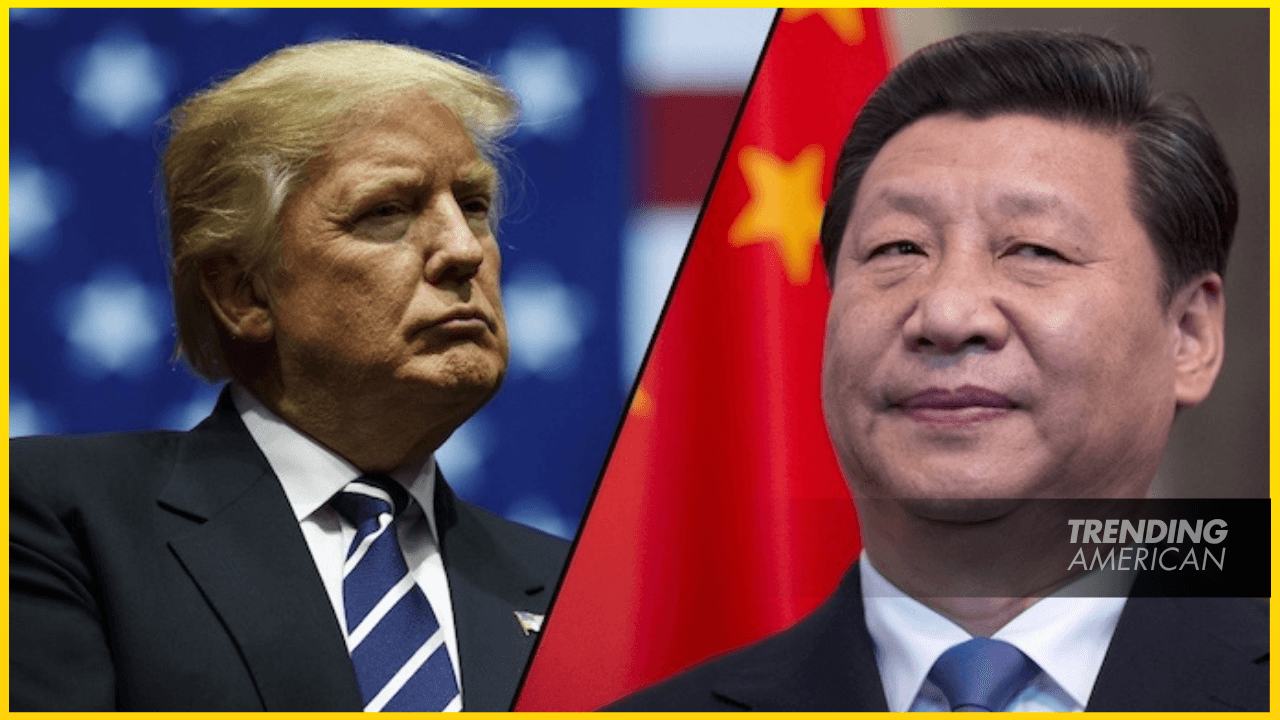
On November 11, 2025, China imposed new export restrictions on 13 drug-making chemicals sent to the United States, Canada, and Mexico. This move emerged from recent negotiations between President Donald Trump and Chinese leader Xi Jinping. As part of their agreement, Trump reduced tariffs related to these chemicals from 20% to 10%, aiming to alleviate a persistent trade war.
These chemicals are crucial in making fentanyl, a synthetic opioid that is linked to tens of thousands of overdose deaths annually in the US. Cooperation between the US and China has been volatile, often disrupted by geopolitical tensions. Vanda Felbab-Brown from Brookings Institution highlights that this agreement reactivates a cooperative phase previously initiated in 2024. Meanwhile, US Deputy Press Secretary Anna Kelly emphasized efforts to curb illicit narcotics.
China’s decision underscores the ongoing struggle against the opioid epidemic, reflecting a critical juncture in global drug policies. However, the legitimate pharmaceutical uses of these chemicals add layers of complexity to enforcement efforts. The restrictions come alongside other regulatory demands by China to ensure business compliance with a wide array of laws.
Beijing’s action is seen as a vital step in easing both the opioid crisis and US-Chinese trade frictions. Despite these initiatives, experts caution the battle against synthetic opioids is far from over, warning that this action needs to be part of a broader international strategy against drug trafficking.