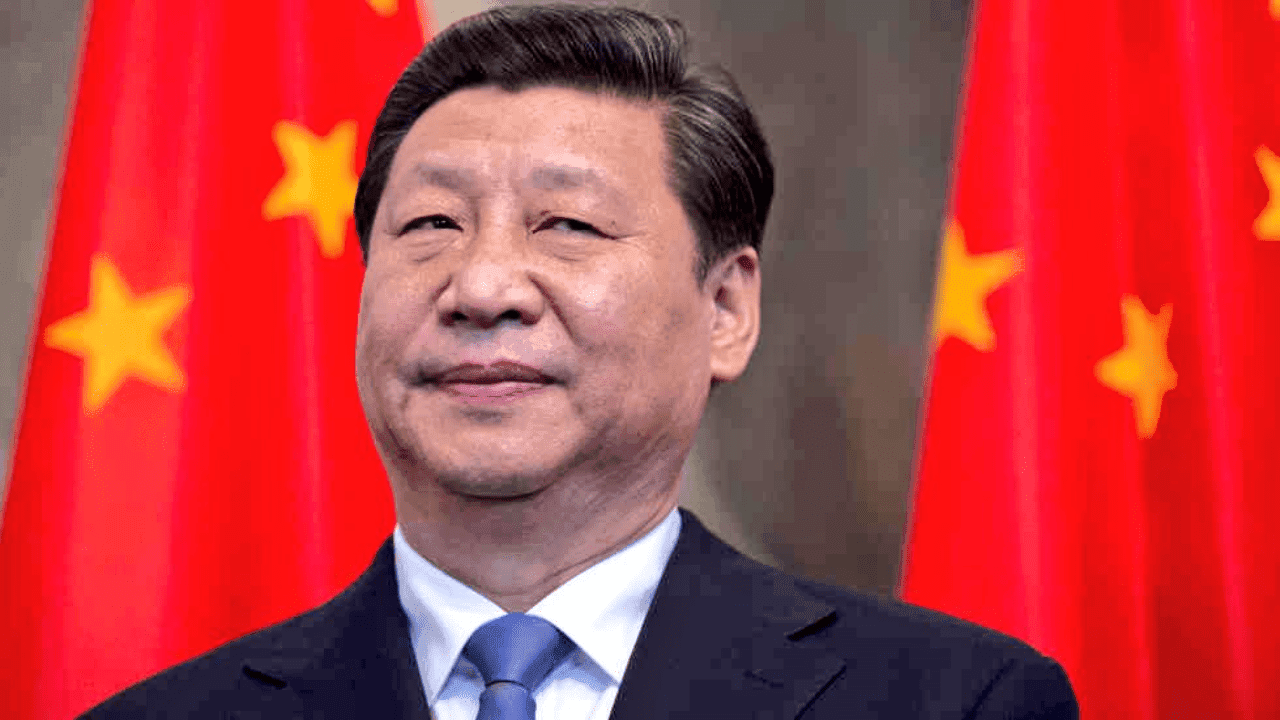
China announced it will impose a 34% tariff on all imports from the United States starting April 10, 2025, in retaliation for the U.S. imposing similar tariffs on Chinese goods. This marks a significant escalation in the trade war between the world’s two largest economies, with tariffs now reaching 54% on Chinese goods arriving in the U.S..
The move comes after U.S. President Donald Trump introduced an additional 34% tariff on Chinese imports on April 3, 2025, sparking fears of a prolonged economic conflict. Trump’s administration argues that the measures are necessary to address trade imbalances and to curb the flow of illicit fentanyl from China into the U.S..
China’s response includes not only the imposition of tariffs but also placing 11 American companies on its “unreliable entity list” and restricting exports of rare-earth minerals like samarium, gadolinium, and terbium.
Market reactions have been severe, with Dow futures dropping 1,000 points, or 2.3%, and the broader S&P 500 and Nasdaq Composite falling 2.4% and 2.7%, respectively. European and UK markets also experienced sharp declines.
As both nations continue to escalate tariffs, analysts predict that the economic rift could reshape global trade relations and impact hundreds of billions of dollars in commerce