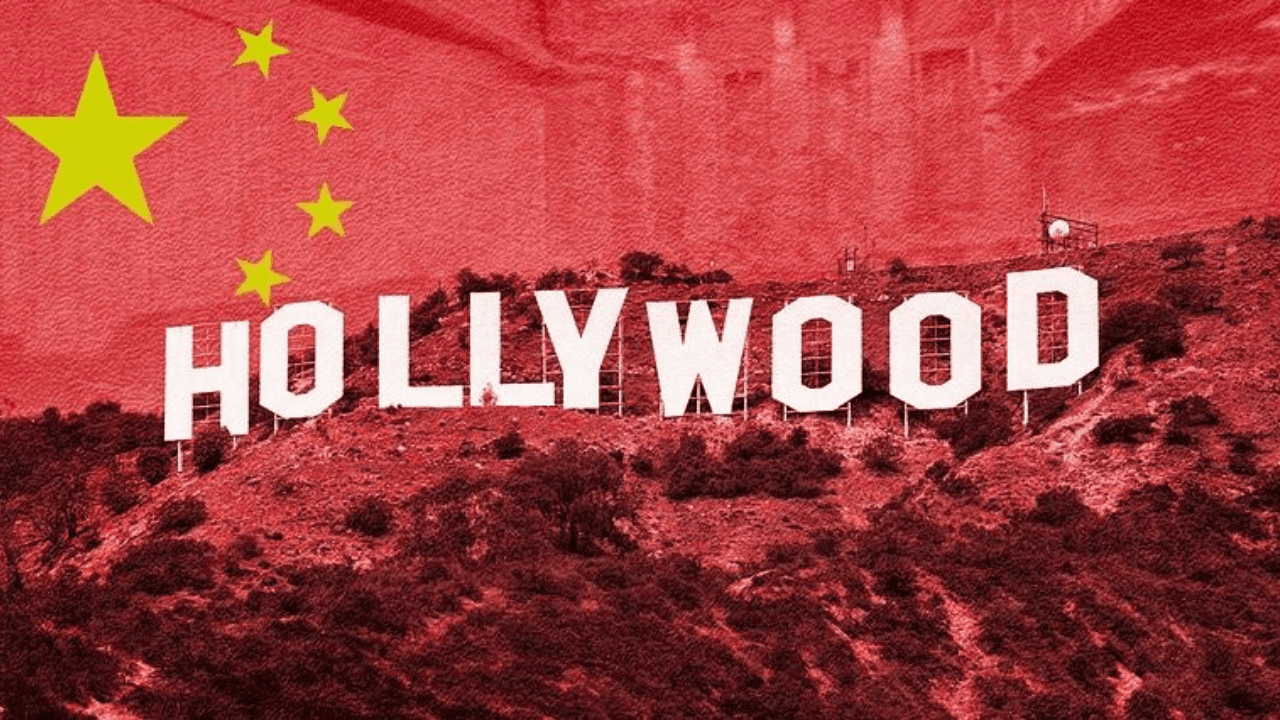
In a shocking development amidst rising trade tensions, China has announced a ban on the import of US films. This move is seen as a direct consequence of the ongoing tariff war between the two economic giants. By cutting off a major market for Hollywood, China has made its stance clear in this trade confrontation.
Despite being an unexpected turn of events, this potential ban seems to be part of a larger strategy that China might employ as leverage in negotiations. Hollywood, which has long benefited from the lucrative Chinese market, now faces the challenge of navigating this complicated geopolitical landscape.
Key players in the industry are bracing for potential impacts. Studios such as Disney, Warner Bros, and Universal could see significant drops in revenue, especially from blockbuster releases that heavily count on international markets. This development not only puts the US film industry on high alert but also raises questions about future collaborations and co-productions in the international arena.
Experts are already analyzing the broader implications of this diplomatic move. By wielding its economic influence, China aims to send a strong message that could disrupt not just trade, but cultural exchanges and soft power dynamics. However, this ban also prevents Chinese audiences from experiencing a diverse range of cinematic works, potentially impacting cultural perceptions over the long term.
As tensions simmer, companies and stakeholders are left to speculate whether this is a temporary measure or a long-term policy change. Analysts suggest that while this might pressure the US into softening its stance on tariffs, it might also compel Hollywood to diversify its audience reach and reduce dependency on a single market.
Drawing parallels to past events, the film industry has weathered many geopolitical storms, from bans to censorship. However, the unprecedented scale of this ban indicates deeper intergovernmental discord and could set a precedent for other industries in China-US relations.
The unfolding situation not only highlights the fragile balance of power but also underscores the unforeseen consequences that trades and tariffs can produce outside traditional economic confines. As the global audience watches closely, many wonder what the future holds for cross-border media collaborations as strategic moves play out on the world stage.