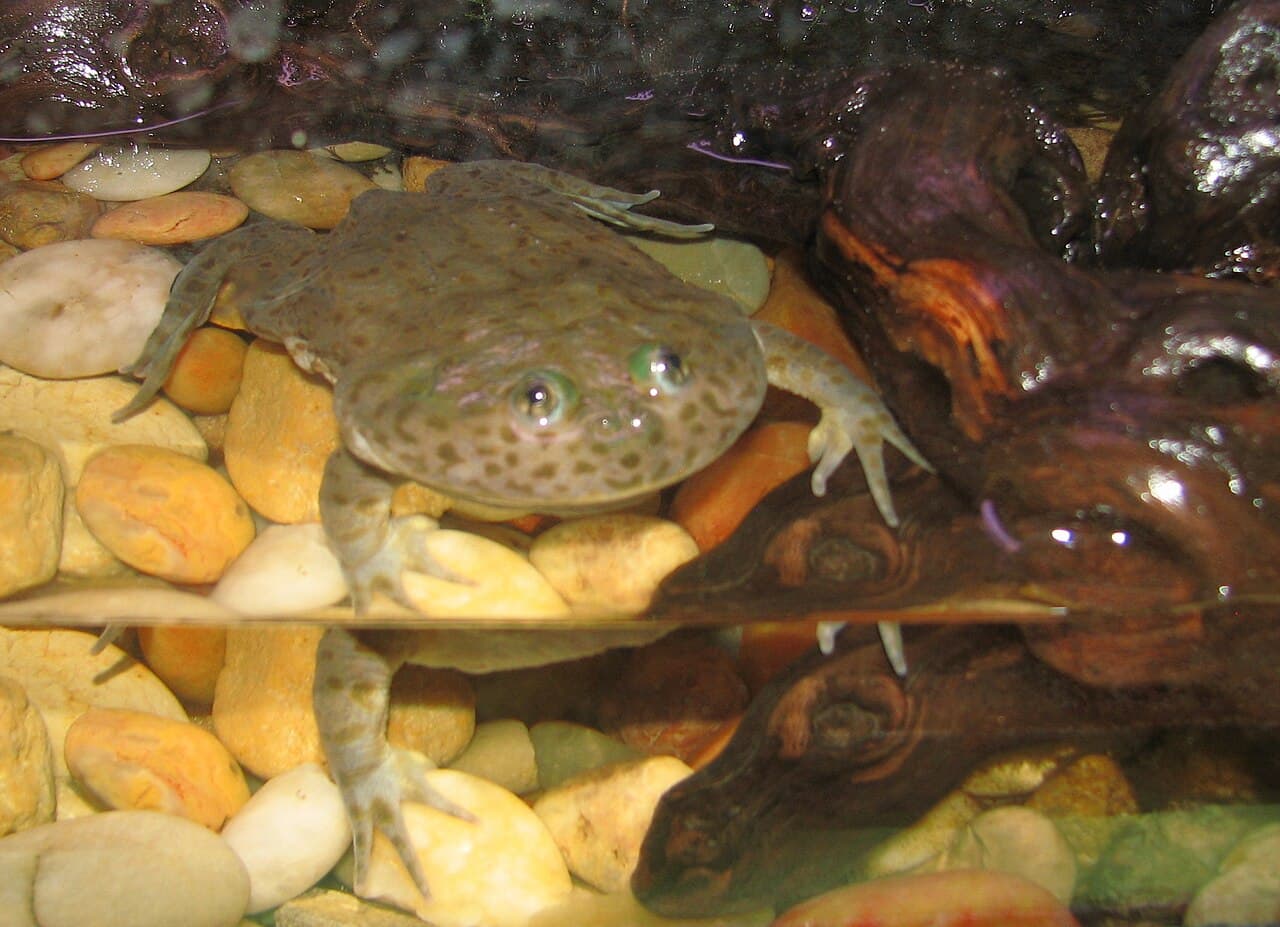
Budgett's frog seems to be almost all mouth. Its broad, flattened body and small eyes create an expression that people often find comical.
For Lepidobatrachus laevis, however, that enormous mouth is part of life as a predator. This unusual amphibian comes from the Chaco region of Argentina, Bolivia, and Paraguay.
A mouth made for a varied menu
Budgett's frogs eat animal prey, including insects, snails, fish, and other frogs. Their broad heads make their appearance instantly recognizable.
If threatened, a frog may inflate its body, open its mouth, and give a loud defensive cry. The American Museum of Natural History describes that dramatic display. Its expression should not be mistaken for a sign that it enjoys being disturbed.
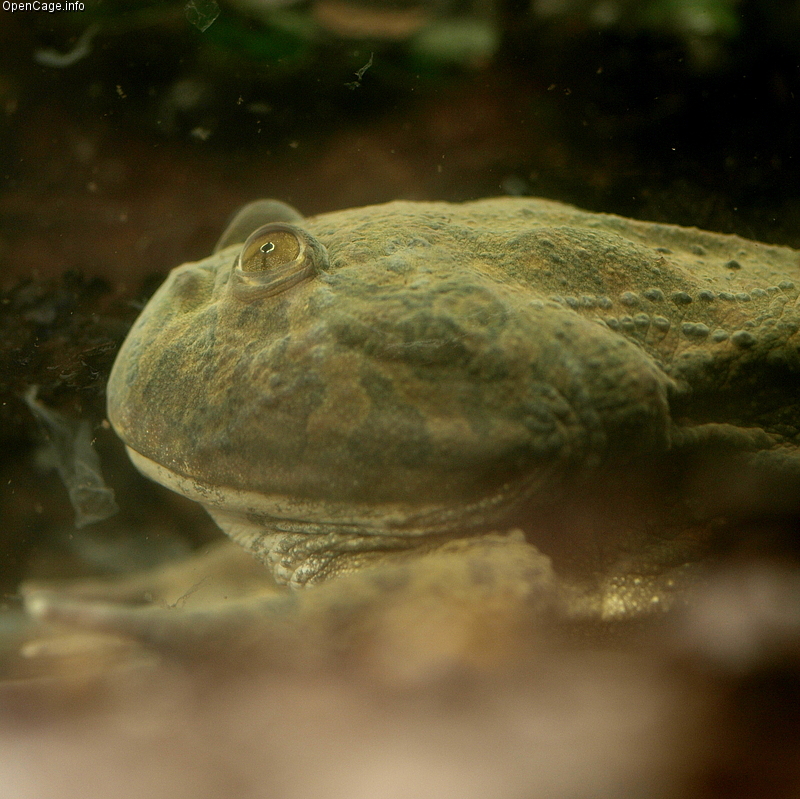
A life shaped by changing water
Seasonal pools are important to this frog. During wetter periods, they provide places to live and breed.
When conditions become dry and cool, the frog can remain buried. A protective covering formed from layers of shed skin helps reduce water loss. This seasonal survival strategy is described in the University of Asunción's Amphibians of Paraguay.
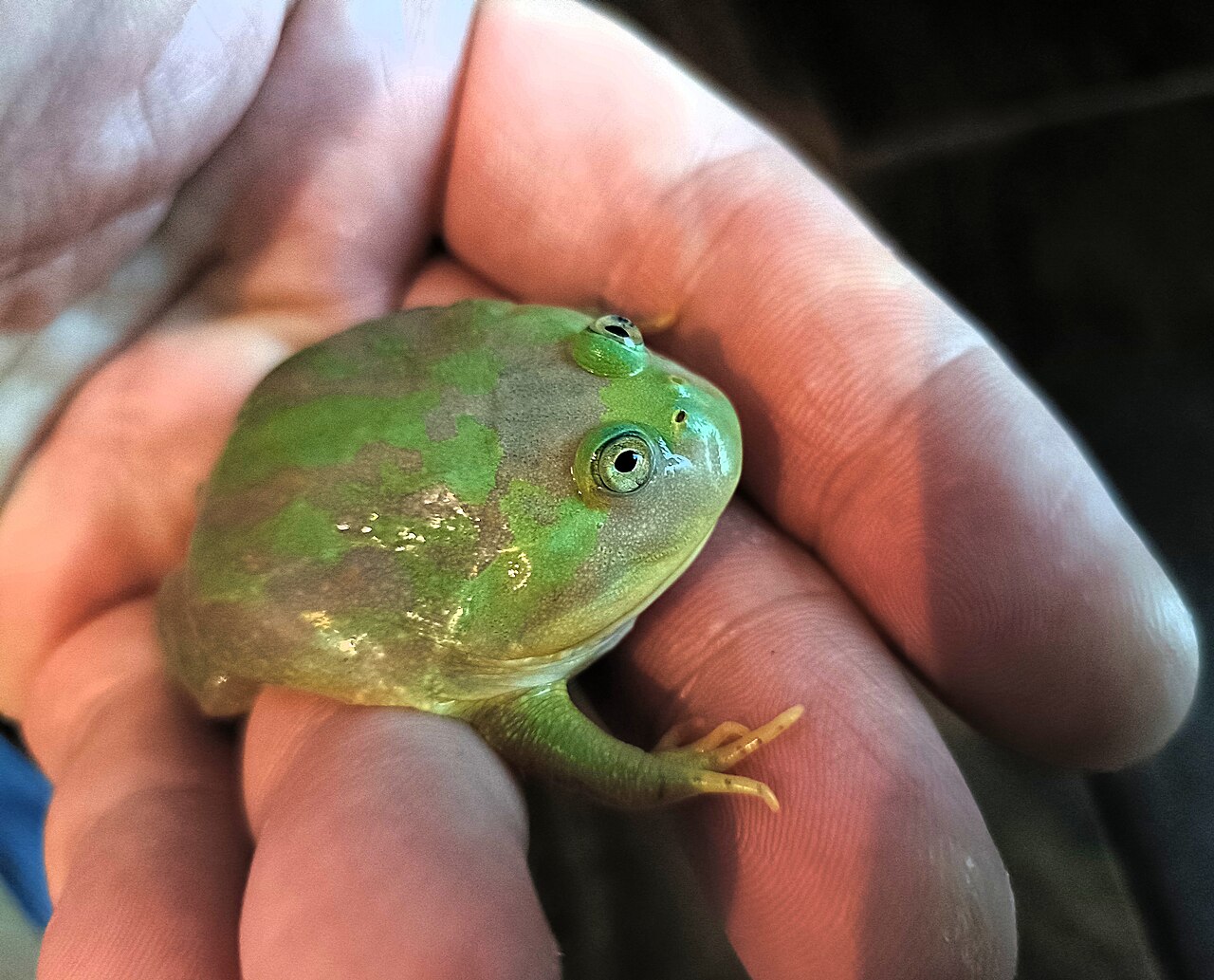
A temporary pool is a real home
A pool that disappears for part of the year can still be essential wildlife habitat. Appreciating these places means understanding their natural cycle rather than judging them only by how much water they hold today.
Budgett's frog turns a funny first impression into a richer story: a capable hunter adapted to a landscape of changing seasons.
Photo credits
Featured image: Budgett's Frog.jpg — Ltshears; Public domain.

Body image 1: Lepidobatrachus laevis at Kyoto Aquarium.jpg — opencage.info; CC BY-SA 2.5.

Body image 2: Young Budgett's frog-IMG20250716082704.jpg — メルビル; CC BY 4.0.

Photographs resized for web display where available. Existing crops are identified in their source filenames; captive animals and landscape context are identified in the captions.