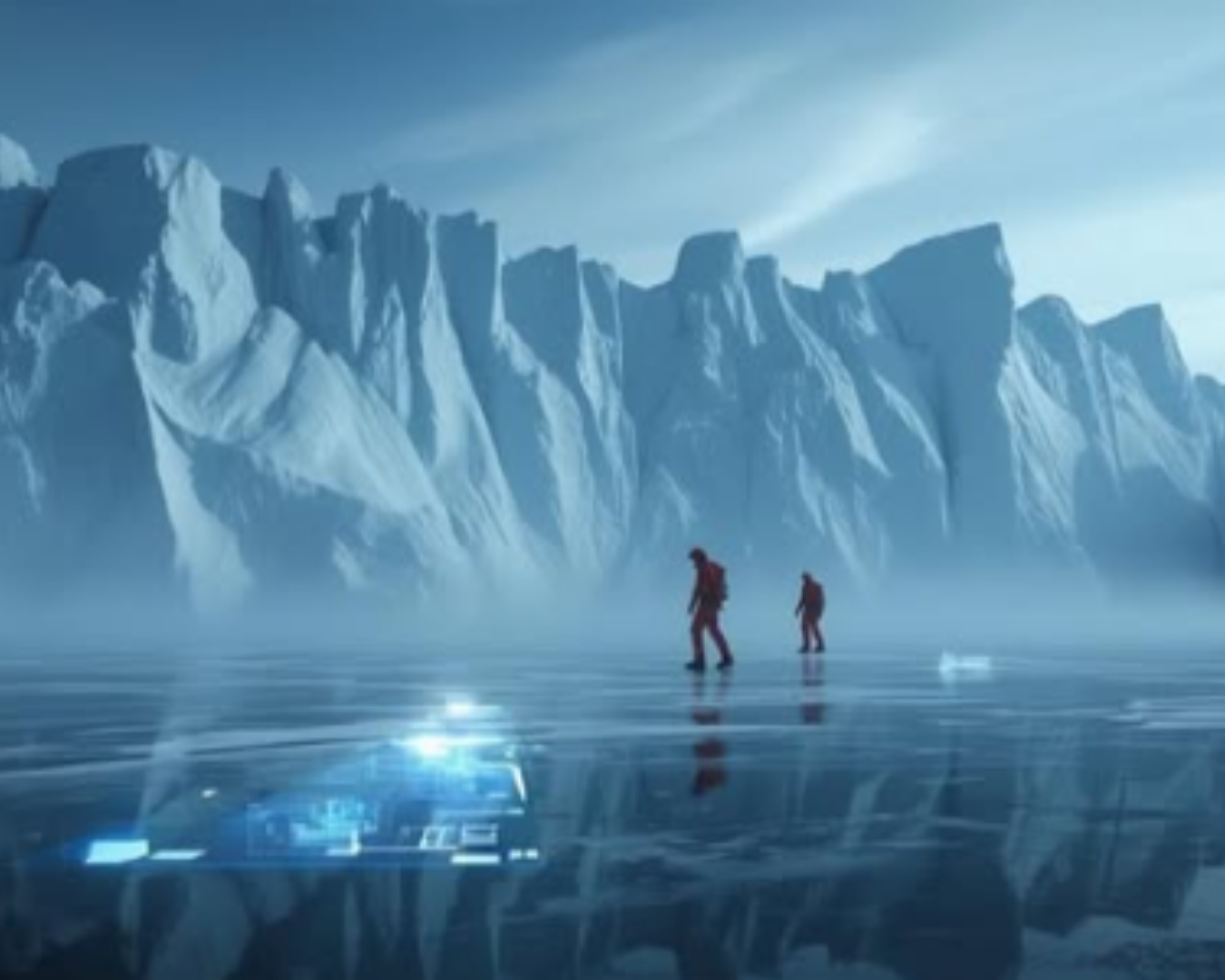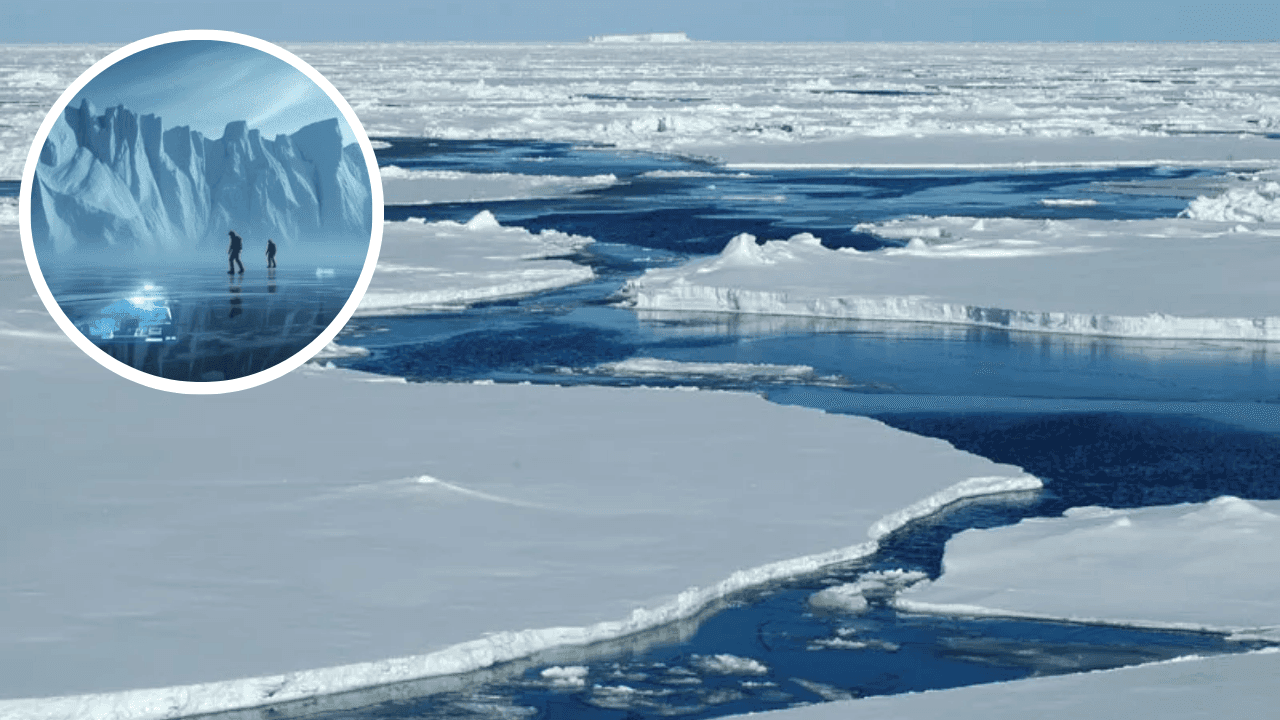
Imagine waking up one morning to a message so shocking it sends waves through the scientific community: Antarctica, the icy continent synonymous with melting ice caps, is experiencing a rebound. Yes, you heard that right. For the first time in over four decades, satellite data reveals that between 2021 and 2023, Antarctica gained approximately 108 billion tons of ice each year.
This unprecedented shift is attributed to extreme snowfall events — an anomaly that reminds us of Earth’s unpredictable climate system. For decades, the narrative around Antarctica has been a tale of accelerated melting and rising sea levels. However, this sudden gain of ice prompts a complex question: Are we witnessing a significant change, or is this just a brief pause in an ongoing climate crisis?
The story unfolds in these vast, frigid expanses where climate scientists have dedicated their lives to understanding the polar regions. The data, gathered from advanced satellite technology, illustrates this unexpected twist. The gains are not merely a statistic, but a glimmer of hope amid dire warnings about climate change. Many scientists are emphasizing caution; this short-term gain does not erase long-term concerns about global warming.

In early 2023, researcher Dr. Alison Graves, who has observed these shifts firsthand, noted, ‘This anomaly is a crucial reminder of climate variability. While we must remain vigilant, it also highlights the complexity of our climate system.’ This voice reflects a sentiment shared across numerous research teams working in the harsh, icy terrains of Antarctica.
But what does this mean on a larger scale? The gain in ice mass speaks to a dynamic environment that can, at least temporarily, resist the trends of warming conditions that have plagued this region. Extreme snowfall events, possibly fueled by climate change itself, have been linked to changes in storm patterns. The storms that deposit heavy snow are influenced by a warming atmosphere that holds more moisture.
The aftermath of this ice resurgence sends ripples beyond Antarctic borders. It fuels debates among climate scientists and policymakers about future projections and the potential for temporary reversals in climate trends. However, it also raises the question of how permanent these changes truly are. Will this be a moment of hope, or just another fluctuation in an ongoing pattern of change?
As this story continues to evolve, it reminds us of the complexities surrounding climate dynamics. Every data point adds to a larger narrative that is still being written. The ice may be growing in Antarctica, but will it be enough to mitigate some of the long-term threats posed by climate change?
In a world rife with despair over climate issues, this intriguing occurrence in Antarctica highlights the beauty and unpredictability of our planet. Can we find solace in this temporary triumph, or is it too early to celebrate? The answer lingers as scientists look to the skies, awaiting more snowfall — and hoping for more surprises to uncover in Earth’s enigmatic climate narrative.
Disclosure: We may earn a commission when you make a purchase through the ads.