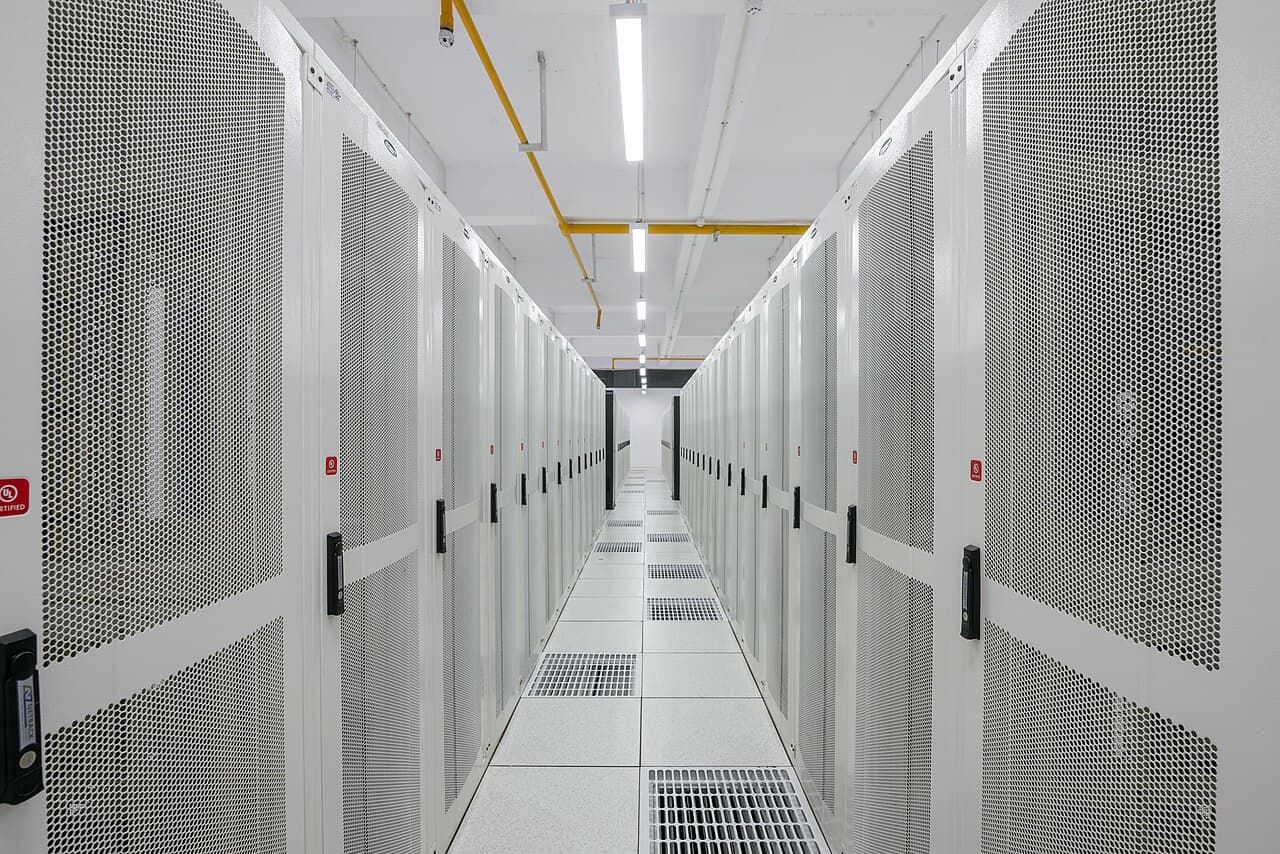
A digital service still needs a physical place to run. Data centers occupy land, use electricity and may need substantial water for cooling—bringing the growth of artificial intelligence into decisions about real landscapes.
That does not mean every new facility replaces a forest. It means a project's location and resource demands deserve careful examination before construction begins.
The energy demand is measurable
A U.S. Department of Energy report released in 2024 put American data-center electricity consumption at 176 terawatt-hours in 2023, up from 58 in 2014. It projected substantial further growth.
Those figures cover data centers broadly. Treating every unit of their consumption as AI alone would misrepresent what the report measures.
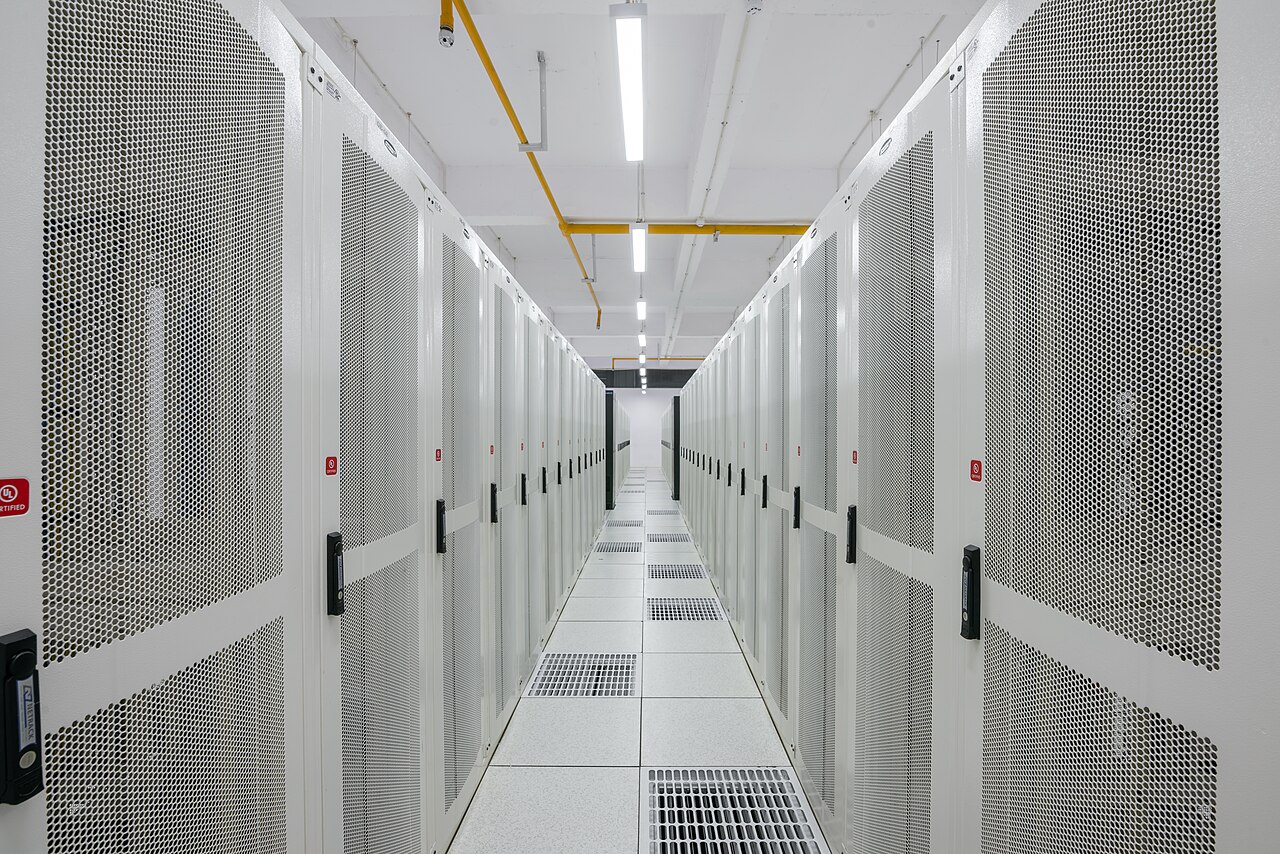
Water costs depend on place and design
The Desert Research Institute's Nevada analysis examines both water used in cooling and water associated with generating electricity. It models different efficiency scenarios rather than assuming one fixed demand for every facility.
That distinction helps explain why local conditions matter. Water availability, cooling methods, electricity sources and the scale of a project all affect its footprint.
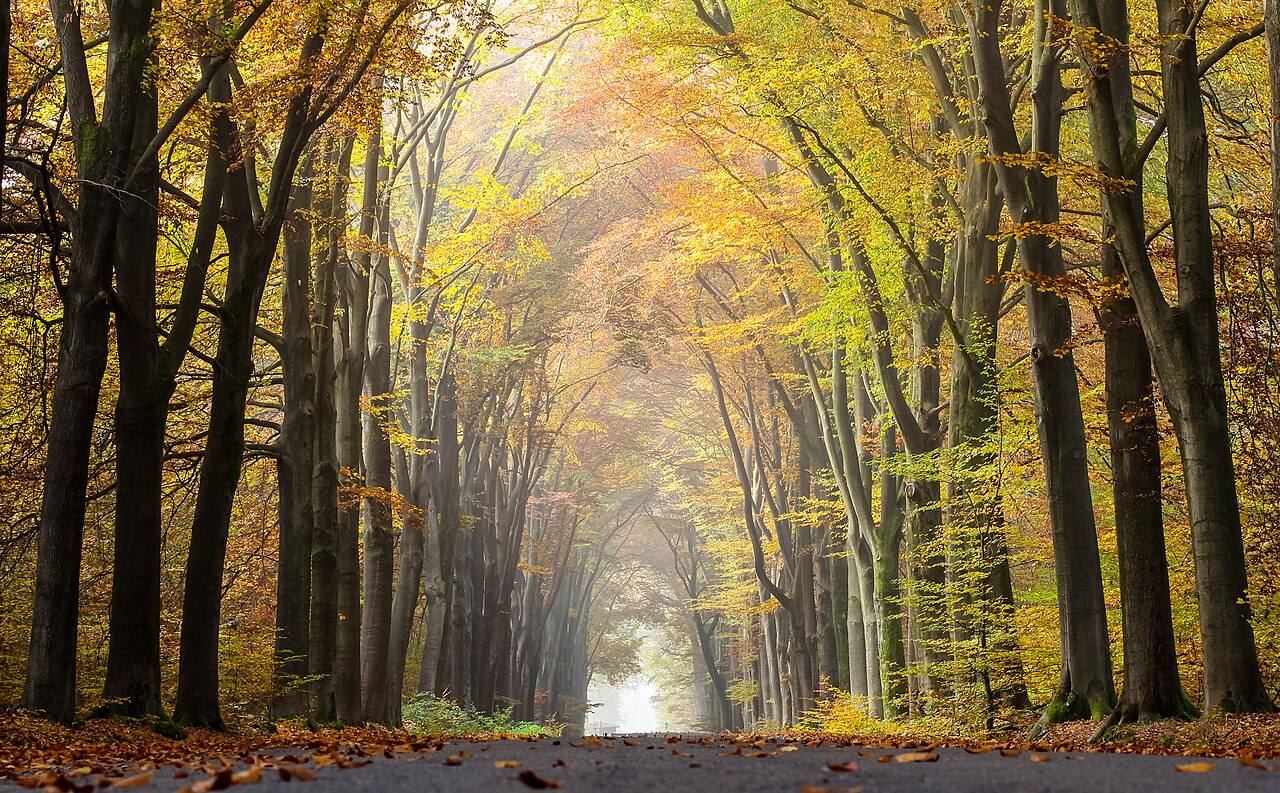
A habitat question needs site evidence
A photograph of a young raccoon cannot establish that a particular data center displaced it. An accurate assessment needs the proposed site, existing habitat, water demand and construction plans.
Useful planning questions include whether an already developed site is available, how runoff will be managed and whether habitat connections will remain. These are questions to investigate, rather than claims that every proposal has the same impact.
Technological progress and environmental care meet in practical choices about land and resources. The goal should be to make those choices visible and measurable. A successful digital future depends on more than the computing power inside a building; it also depends on the living systems around it.
Photograph credits
- Photograph 1: PiDatacenters, CC BY-SA 4.0. Resized; captions identify contextual images.
- Photograph 2: Dietmar Rabich, CC BY-SA 4.0. Resized; captions identify contextual images.

