
At a Caracas workshop, José Bastidas described helping other amputees stand and walk again. He had lost a leg himself before moving from tire repair into making prosthetic limbs.
His documented story shows both ingenuity and a practical problem: determination can help someone keep going, but it cannot by itself make suitable mobility equipment affordable.
People building support for others
In AFP's 2022 reporting from Zona Biónica, Bastidas and colleagues described the work of producing artificial limbs in Venezuela. Several workers had experienced limb loss themselves.
The report also followed patients adapting to prostheses, including Cristhian Sequera Quintana, whose legs were amputated after a motorcycle accident. These are identified people in a reported account, distinct from an unnamed man in widely circulated social-media captions.

The price of mobility
The AFP report described the cost of a prosthesis as a major obstacle for patients and discussed sponsorship efforts. Those prices and economic conditions belong to the 2022 report; they should not be treated as a current quotation for care.
A prosthesis also involves more than acquiring an object. Fit, training, maintenance and access to skilled services affect how useful it can be in daily life.
A right to support and participation
The World Health Organization's prosthetics and orthotics standards frame these services as part of healthcare and personal mobility. They support participation in education, work and community life.
A WHO fact sheet also describes the global gap between people who need assistive products and those able to obtain them. That is a system-level challenge, not a measure of an individual's willpower.
Stories of improvised equipment can inspire admiration. The more useful response is to ask what would give the person safer, more dependable choices.
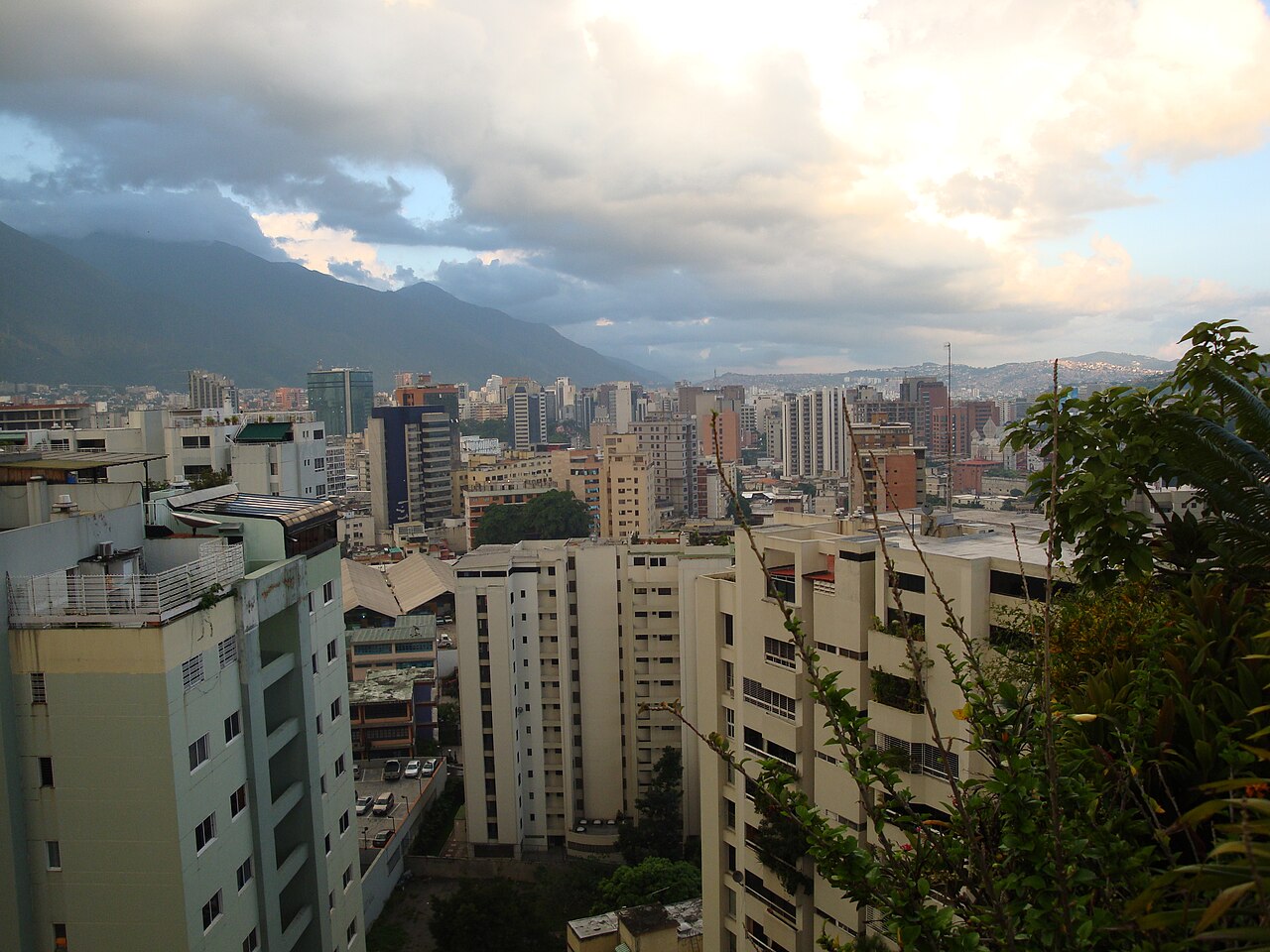
In Caracas, the workshop's work makes that question tangible. Respect for perseverance should lead toward access, skilled care and opportunity—the practical foundations of living with dignity.
Photograph credits
- Photograph 1: Paolo Costa Baldi, CC BY-SA 3.0. Resized; captions identify contextual images.
- Photograph 2: Flauta, CC BY-SA 3.0. Resized; captions identify contextual images.

