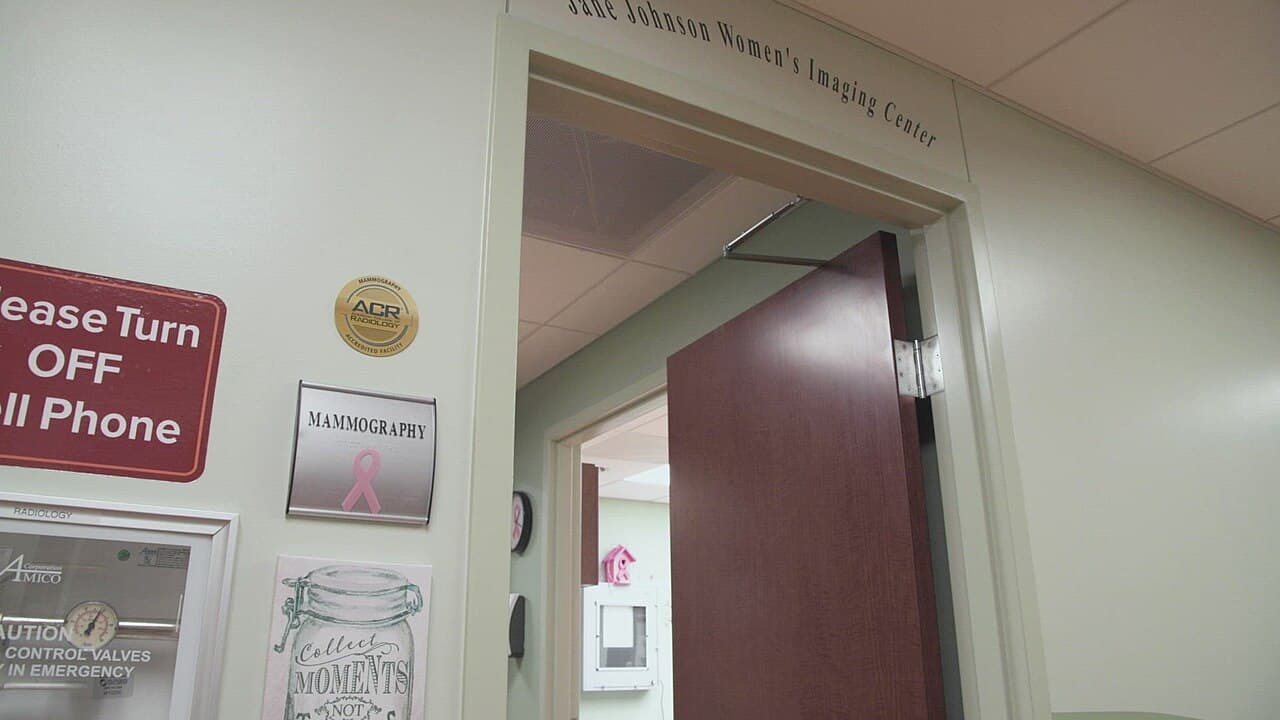
More than a thousand mammogram records at a Georgia hospital were marked negative without the scans being properly reviewed by a radiologist. The case led to a guilty plea and raised a disturbing question: what happens when a reassuring result is entered without the medical assessment it claims to represent?
In 2014, former radiology technician Rachael Rapraeger pleaded guilty to ten counts of reckless conduct and one count of computer forgery.
Results entered without review
UPI's report of the sentencing put the number of falsified records at 1,289. The scans were associated with Perry Hospital in Georgia.
A negative result should communicate an actual clinical interpretation. In this case, records instead gave the appearance that a doctor had reviewed images when that had not happened.
Patients and a criminal sentence
Prosecutors said ten scans were actually positive. Reports described patients learning later that they had breast cancer.
Rapraeger's sentence included ten years of probation, up to six months in a detention facility and a $12,500 fine. Her defense attorney described her as overwhelmed by work. That explanation did not change the fact of her guilty plea.
An Associated Press report carried by CBS noted that two patients died, but the relationship between their deaths and the case was unclear.
Why the process matters
This was not simply a test failing to detect a disease. It involved records falsely implying that an essential step had occurred.
AuntMinnie's later report described related civil litigation, showing how the consequences continued beyond the criminal sentence.
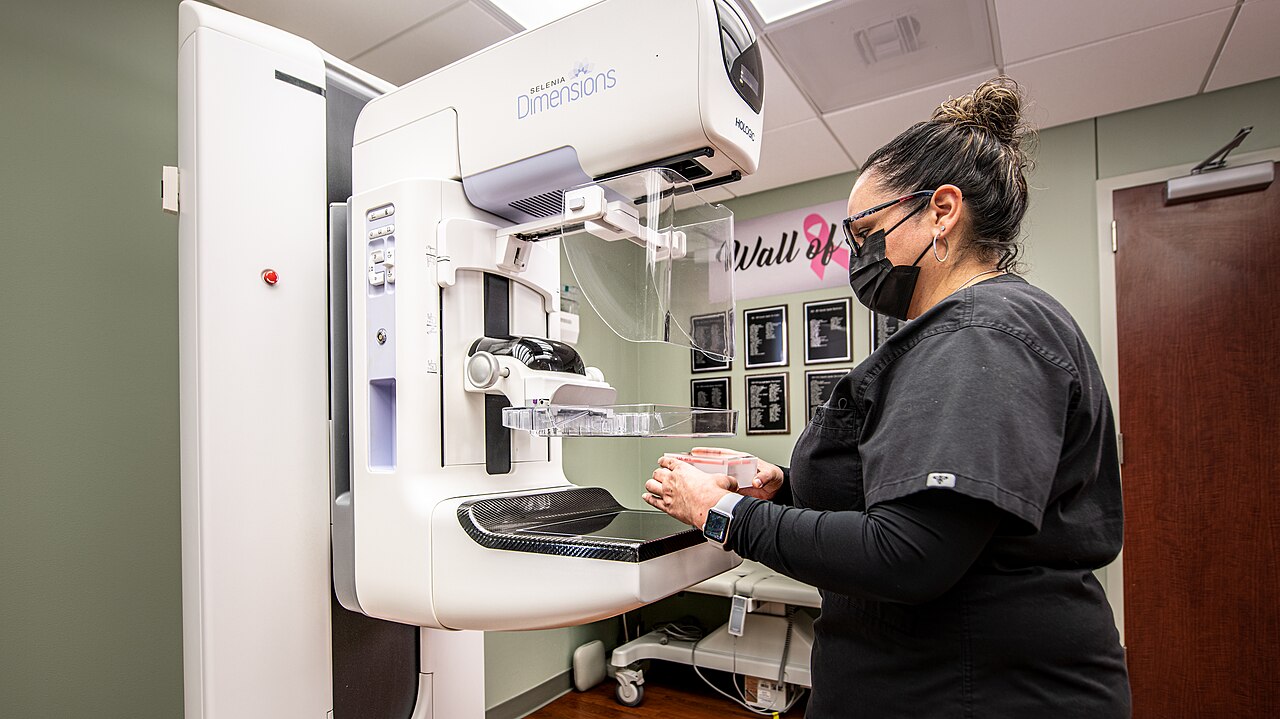
The case is a reminder that patient safety depends on trustworthy processes as well as good equipment. A result becomes meaningful because qualified people review the evidence and accurately record what they find. Breaking that chain can turn reassurance into a dangerous illusion.
Photograph credits
- Photograph 1: USDAgov, Public domain. Resized; captions identify contextual images.
- Photograph 2: USDAgov, Public domain. Resized; captions identify contextual images.

