
A patient at Trinity Medical Center needed urgent brain surgery, and the neurosurgeon who could reach him was at another Birmingham hospital. The January 28, 2014 snowstorm had brought traffic to a standstill.
Dr. Zenko Hrynkiw left his car and began walking. Wearing scrubs, operating-room shoes and a jacket, he headed toward the hospital while staff prepared the patient.
The call came at another hospital
Hrynkiw was at Brookwood Medical Center when he learned that a patient at Trinity had a serious brain hemorrhage and was deteriorating, according to his interview with WBRC.
The roads offered no useful route by car. Accidents and stopped vehicles had made an already urgent journey much harder.
He told reporters that he walked down a hill and set off toward Trinity. He had not dressed for a long winter walk because he had been working in an operating room.
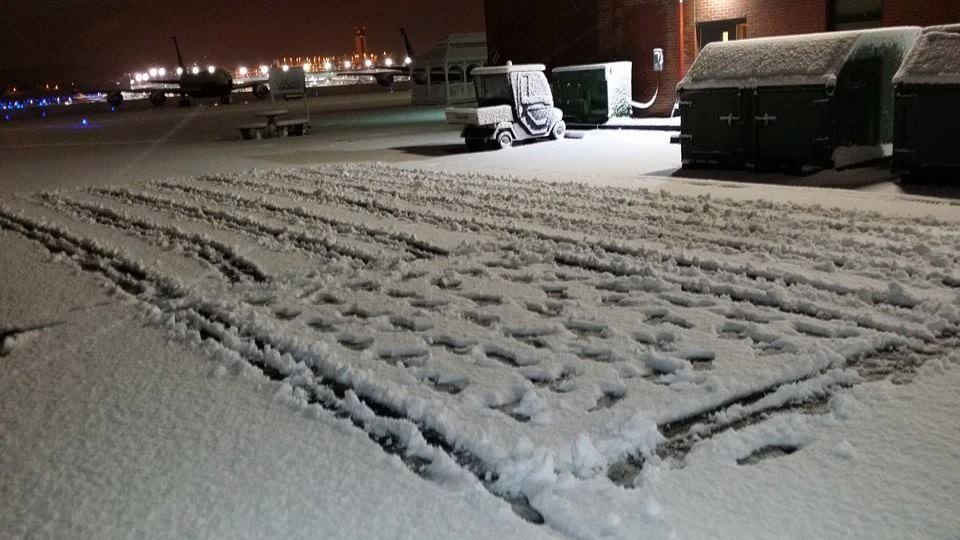
An American flag shoveled into snow at Birmingham’s 117th Air Refueling Wing base. This does not show Hrynkiw’s route. Photo: The National Guard, Public domain. Resized; JPEG conversion.

The operation was being prepared as he traveled
In his January 30 CNN interview, Hrynkiw estimated the distance at six to eight miles and said the journey took under two hours.
He remained in contact with the hospital, reviewing scans and discussing medication and preparation. The team could work on the patient's care while he was still trying to reach the building.
The trip included a fall on a hill and, near the end, help from a driver. Contemporary accounts generally summarized it as a six-mile walk, although Hrynkiw's own estimate was a range.
The practical obstacle was transportation. The medical work depended on coordination between the surgeon on the road and the hospital staff waiting for him.
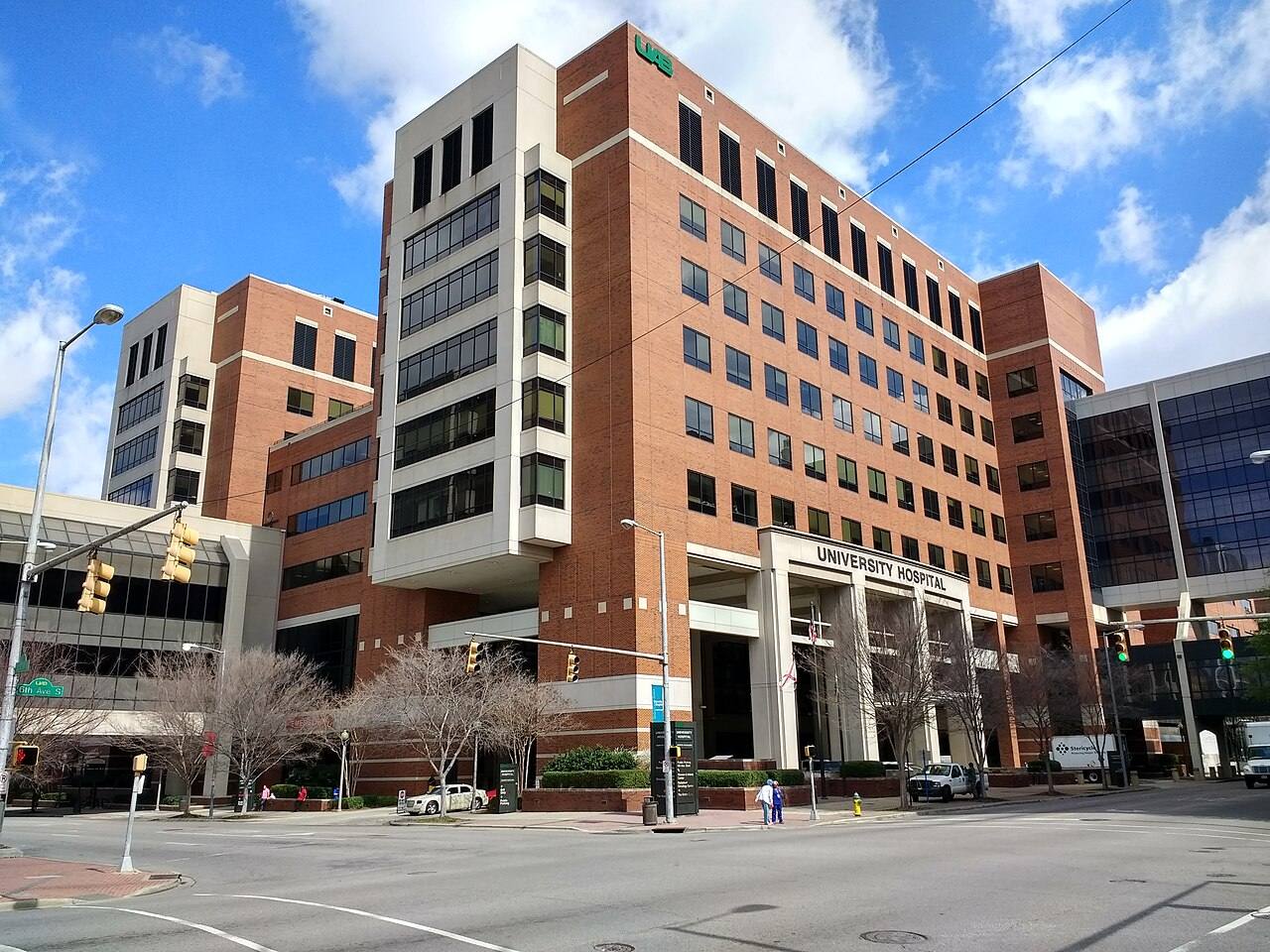
Archival UAB Hospital photograph for Birmingham medical context. This is neither Brookwood nor Trinity, the hospitals in the story. Photo: Mx. Granger, CC0. Resized; JPEG conversion.

A patient survived the emergency
NPR's contemporary account reported the successful operation and the attention given to the surgeon's journey.
Hrynkiw spoke about the walk as part of his responsibility to a patient in danger. The reports described the patient's survival and recovery at that time; they do not establish the person's health more than a decade later.
The story's force comes from its immediate sequence. A call reached a doctor, a storm blocked the normal route, and he kept moving while another team prepared for his arrival.
Featured image: Archival Birmingham, Alabama, skyline. Hrynkiw and his 2014 walk are not pictured. Photo: Quintin Soloviev, CC BY 4.0. Resized and fitted to a 16:9 canvas.
