William Arnold traveled from Cornwall to the Isle of Lewis with a bag of coins and a specific number in mind: 52 calls. His destination was a rare red telephone kiosk in Einacleit.
The August 2026 journey was about keeping a public telephone in service. For qualifying rural kiosks, annual use can help determine whether the equipment is protected from removal.
A long trip to an unusual kiosk
BBC reporting carried by Yahoo described the artist and photographer's 1,700-mile round trip.
The Lewis kiosk has an unusual double-door arrangement, believed to be a local adaptation to strong winds. Arnold wanted to preserve a connected telephone, rather than simply retain the familiar red structure after the line was removed.
Before traveling, he sought local information about whether the phone still worked. On arrival, the weather was difficult and fresh paint had stuck the doors closed, but he reached the telephone and began calling.
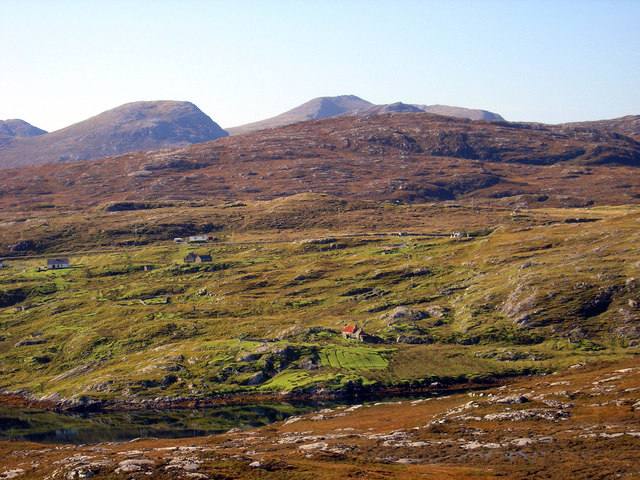
Archival Enaclete village landscape on Lewis, for geographic context. Arnold and the telephone campaign are not pictured. Photo: Sarah Egan, CC BY-SA 2.0. Resized; JPEG conversion. Image adaptation shared under the same CC BY-SA 2.0 license.

Why the number 52 mattered
An Ofcom explanation of the removal criteria sets out the relevant rule. Protection applies to a last-at-a-site public telephone, more than 400 meters' walking distance from the next one, when it meets at least one specified condition.
Making 52 or more calls in the previous 12 months is one condition. Mobile coverage, the location's risks and other evidence of need can also matter. The call count is not a blanket rule governing every phone box in Britain.
Arnold's project used that usage threshold to make a practical case for retaining a working connection.
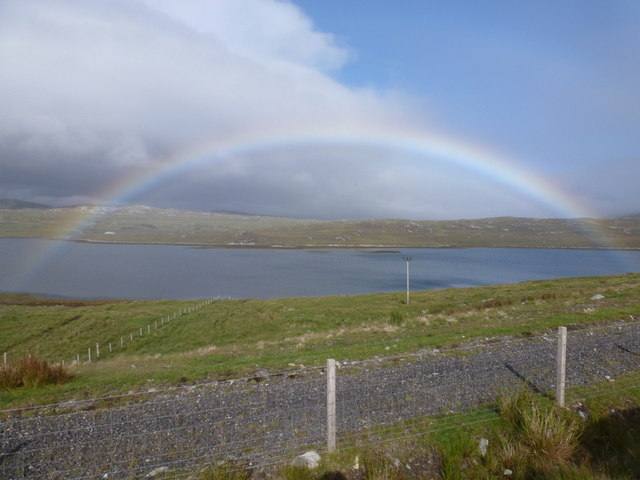
Archival view near Enaclete and Loch Rog Beag. This does not show the 52 calls or the campaigner. Photo: Chris Downer, CC BY-SA 2.0. Resized; JPEG conversion. Image adaptation shared under the same CC BY-SA 2.0 license.

Each call reached someone
He made calls to 52 different people, according to the BBC report. One recipient, arts worker Stephen Tomlin, described receiving his call from Lewis.
Tomlin's account gives the project another perspective: each unit in a usage total was also an actual conversation with someone elsewhere.
Arnold acknowledged the comic side of traveling so far to use a payphone. The serious purpose was preserving another way to communicate in places where a mobile connection or power supply cannot always be taken for granted.
His journey turned an annual threshold into a series of human contacts, all beginning inside one small roadside kiosk.
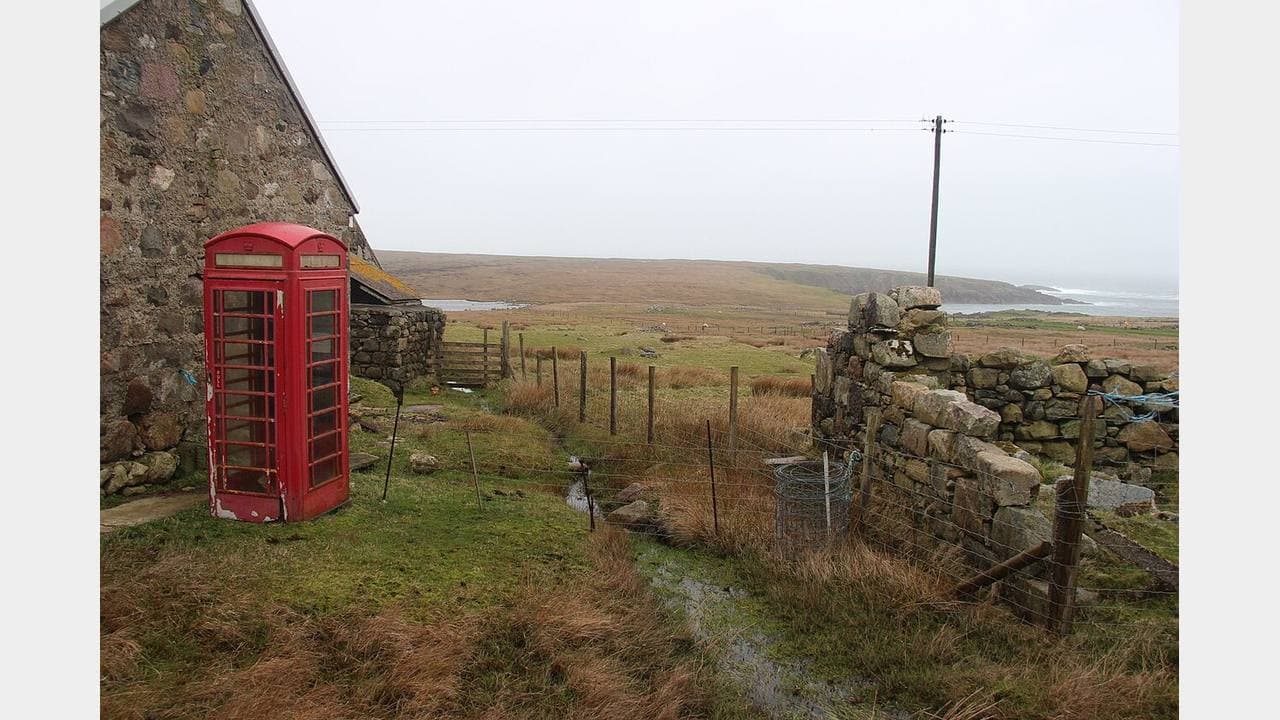
Featured image: Archival telephone kiosk in Islibhig, Lewis. This is a different kiosk from the Einacleit box Arnold visited. Photo: Alan Reid, CC BY-SA 2.0. Resized and fitted to a 16:9 canvas. Image adaptation shared under the same CC BY-SA 2.0 license.
