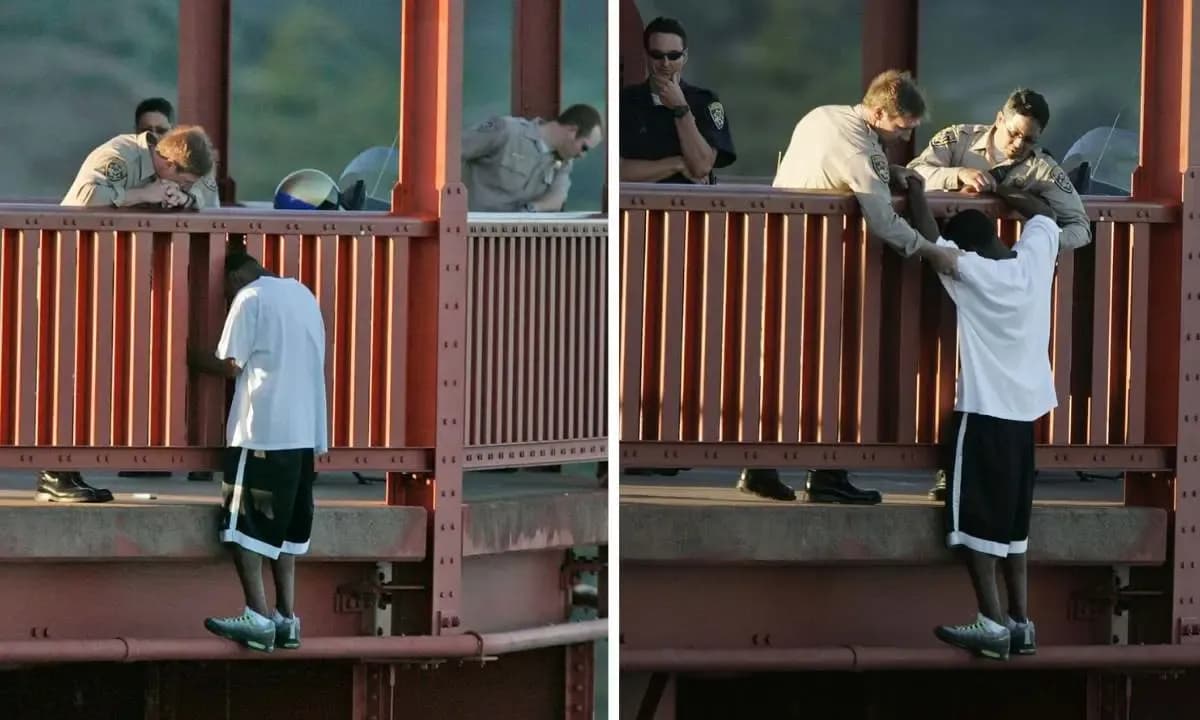
On the morning of March 11, 2005, 22-year-old Kevin Berthia woke up in Oakland, California with one plan: to end his life. Years of battling depression, combined with the recent premature birth of his daughter and overwhelming medical bills, had pushed him to the edge. He had just lost his job, felt hopeless, and saw no way out.
Kevin had never been to the Golden Gate Bridge before. He asked strangers for directions until he found it, parked his car at the north end, left the keys in the ignition, and started walking. As he crossed the 1.7-mile expanse of the bridge, he kept repeating to himself, “The water is my freedom. I’m ready.”
Within minutes, he climbed over the railing and balanced on a narrow metal beam with 220 feet of cold, churning bay water beneath him. In his mind, he began a countdown and braced for impact.
Then, something he still calls a “miracle” happened.
California Highway Patrol Sergeant Kevin Briggs, whose routine duty was patrolling the bridge, happened to be passing by. Known later as the “Guardian of the Golden Gate,” Briggs had spent years quietly preventing people from jumping—more than 200 lives saved over his career. That day, Berthia became one of them.
Briggs didn’t rush in. He didn’t yell or grab. Instead, he approached calmly and said, “Hi. Is it okay if I come over and speak with you for a while? I’m not going to touch you. I’m just here to talk with you and to listen.”
What followed was 92 minutes that changed both their lives. For the first time, Berthia opened up about his deepest struggles. He spoke about the weight of being a new father, the crushing bills, and the endless darkness in his head. Briggs listened without judgment, asking questions, showing empathy, and never once telling him what to do.
Slowly, something shifted. Eventually, Berthia pulled himself back over the rail. He spent 11 days in a hospital, but recovery wasn’t immediate. The very next years were some of his darkest. He fell into depression again, attempted to end his life a dozen more times, and even seeing his photo from the bridge on the front page of the San Francisco Chronicle only deepened his shame.
Eight years later, in 2013, their paths crossed again. Briggs was being honored in New York City by the American Foundation for Suicide Prevention.
For the first time in his career, he was asked to meet one of the lives he had saved. Berthia’s mother, Narvella, had once written Briggs a thank-you letter, so Briggs drove to her house to invite them. With some persuasion, Narvella convinced her son to attend, telling him he had won a free trip to New York through a radio contest.
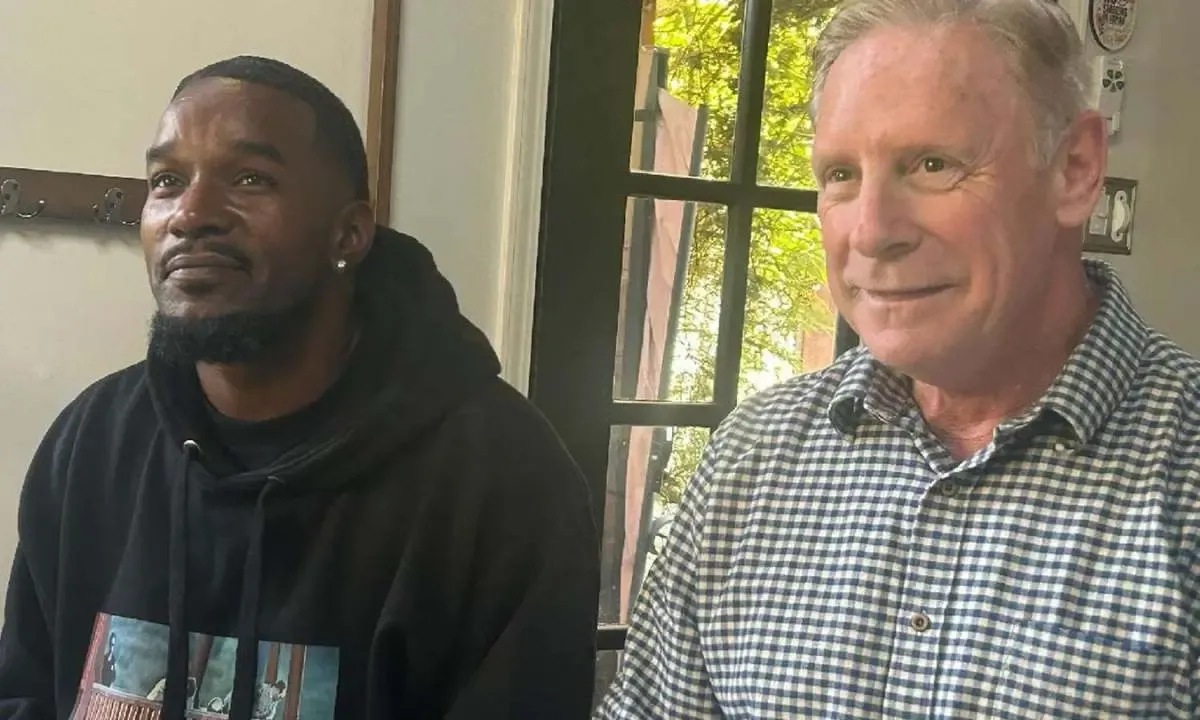
When Berthia finally met Briggs face-to-face, he was stunned.
“Dang, this whole time it was a cop who saved me,”
he recalled.
Growing up as a Black man in Oakland, Berthia had rarely had positive experiences with law enforcement. Had he known Briggs was an officer back in 2005, he says he might never have opened up that day on the bridge. But in that moment of reunion, none of it mattered.
The two Kevins became close friends—“more like brothers,” as Berthia puts it. Briggs, a survivor of cancer and childhood sexual abuse, and Berthia, a father learning to manage his depression, found common ground in human connection. Their story no longer belonged to just them.
At that New York event, Berthia gave an impromptu speech about his journey. He shared his darkest moments and the pain that led him to the bridge. For the first time, he was honest, vulnerable, and completely himself. The entire room gave him a standing ovation. That moment helped him realize he wasn’t alone—and that his story could help others.
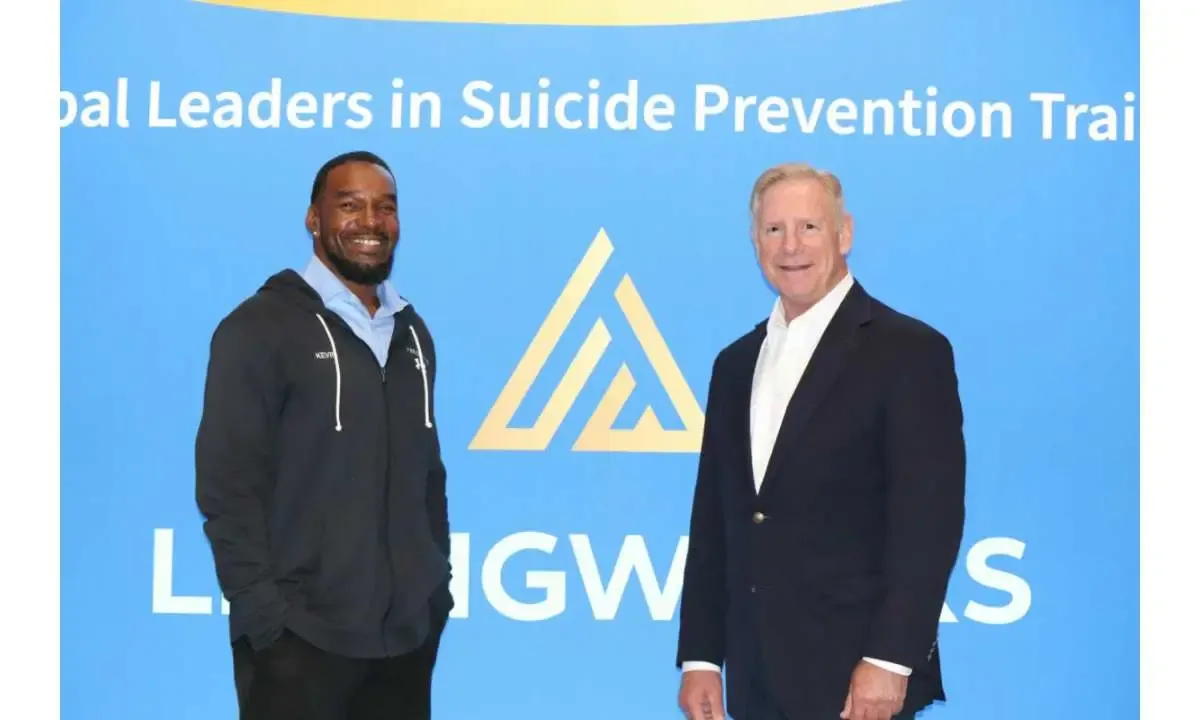
In the years since, both men have dedicated their lives to suicide prevention. Berthia created the Kevin Berthia Foundation, which gives a voice to those suffering in silence with mental health struggles. Briggs founded Pivotal Points, focusing on crisis management and public education about suicide prevention. Together, they travel the country and the world, speaking to schools, police academies, and community groups. They remind people that listening—not lecturing—can be the key to saving a life.
In 2023 alone, more than 49,000 people in the U.S. died by suicide, according to the CDC. Briggs and Berthia know that number represents families, children, and stories that didn’t get a chance to continue. Their mission is to change that by teaching empathy, awareness, and simple human presence.
Today, nearly 20 years after that morning on the Golden Gate Bridge, their bond remains strong. They are even working on a film project called 92 Minutes—a reminder of how close life and death can be, and how much can change in less than two hours.
“It’s not about telling people they’re going to be fine. It’s about listening and letting them know they’re not alone.”
Briggs often says,
“Kevin makes you think, and I make you feel.”
Berthia adds.
What started as a moment of despair on a foggy bridge has turned into a partnership built on trust, healing, and the power of connection—a miracle carried by a stranger’s voice.