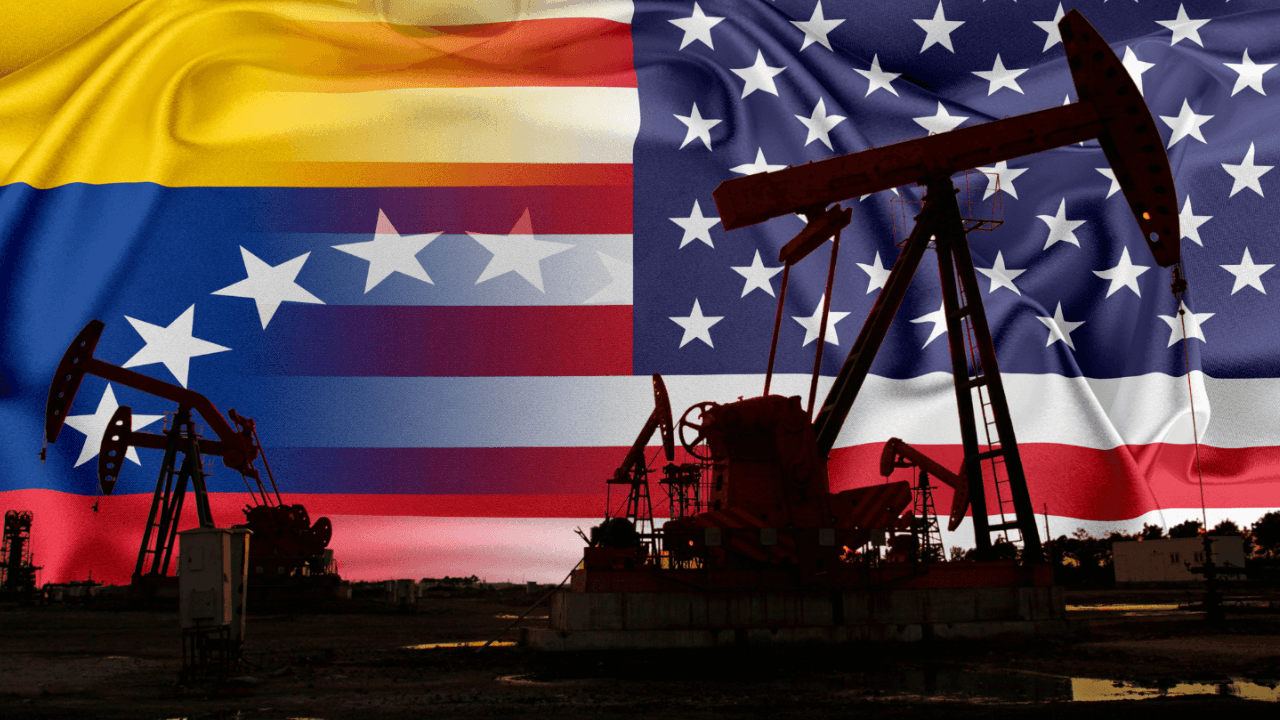
On the same calendar date, 36 years apart, the United States detained two Latin American leaders and flew them to face criminal charges.
In 1990, it was the ruler of Panama. In 2026, it was , the president of Venezuela.
The similarities sparked instant comparisons. But foreign policy experts warn the outcomes may be very different.
How the Panama Operation Worked
On December 20, 1989, President announced the launch of Operation Just Cause.
Bush said Noriega was an indicted drug trafficker who had voided democratic elections and allowed attacks on Americans, including the killing of a U.S. service member.
The United States also cited the need to protect the Panama Canal and uphold treaty obligations.
Within two weeks, Noriega was in U.S. custody. An elected civilian government took office, and American troops began withdrawing.
Former U.S. Ambassador John Feeley later said Panama emerged with democratic elections and economic growth, according to PBS.
The Case Against Maduro
Before his detention, Maduro faced multiple U.S. indictments.
A 2020 federal case in New York charged him with narco terrorism, corruption, and drug trafficking. Prosecutors accused him of leading the Cartel de los Soles.
The United States designated the group a foreign terrorist organization and offered a $50 million reward for Maduro’s arrest.
Washington also accused Maduro of rigging elections and recognized opposition leader María Corina Machado as the legitimate winner.
Maduro’s government detained American citizens and U.S. based Citgo executives and threatened military action against Guyana in 2023.
Trump Administration’s Venezuela Plan
After the operation, President said the U.S. would oversee a political transition.
Washington named Vice President Delcy Rodríguez as interim president, a move she rejected.
Secretary of State later said the U.S. would not govern Venezuela beyond enforcing an oil quarantine.
Why Venezuela Is Not Panama
Experts say the differences between the two countries are profound.
Panama had about 2.4 million people in 1989. Venezuela has nearly 30 million today.
Venezuela is ten times larger and includes mountains, jungles, plains, and long coastlines.
Douglas Farah, a former Defense Department adviser, told NPR these conditions make stabilization far harder.
“How do we talk about taking over a country when we have no functional presence there,” Farah said.
Military and Political Realities
The U.S. had about 13,000 troops stationed in Panama during Operation Just Cause.
It also housed U.S. Southern Command headquarters.
No such military presence exists in Venezuela.
Panama’s armed forces were dismantled after Noriega’s removal, allowing civilian rule to take hold.
Venezuela’s military remains intact and politically aligned with the ruling party.
The Human Cost Question
Panama’s intervention still caused civilian displacement and long term crime challenges.
Venezuela’s crisis is deeper.
Per capita income has fallen more than 70 percent under Maduro. Millions of Venezuelans have fled the country.
Analysts say these conditions make Venezuela far harder to rebuild.
A Familiar Playbook, New Limits
The Noriega operation remains one of Washington’s clearest examples of a fast regime removal.
But experts say Venezuela’s size, military structure, and social collapse mean history is unlikely to repeat itself.
What worked in Panama three decades ago may not work again.
For the United States, Venezuela may mark the limits of a familiar intervention strategy.