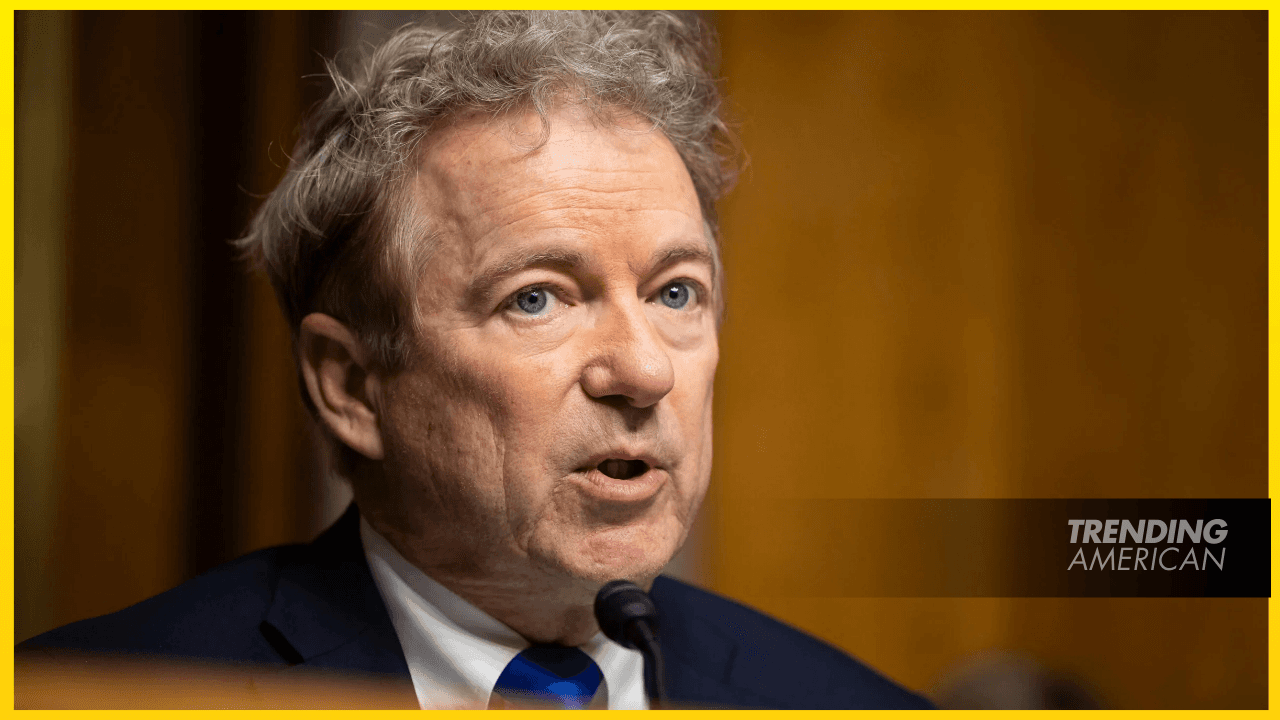
In the opening days of January 2026, Sen. Rand Paul erupted with a pointed critique of President Donald Trump, accusing him of being “under the thrall of Lindsey Graham” after Trump authorized a U.S.-led operation in Venezuela. The move, framed by the White House as a decisive strike against a longstanding adversary, culminated in the capture of Venezuelan President Nicolás Maduro and, according to reports, his wife, Cilia Flores, and their subsequent transport to New York. The dramatic development has sparked a fresh round of debate about the scope of presidential war powers, the legitimacy of regime-change objectives, and the hidden calculus behind interventions touted as securing American interests.
Paul’s critique centers on the perceived influence of hawkish voices in the room as Trump authorized the raid. The quote, circulated by multiple outlets, underscores a growing rift within the Republican caucus over how aggressively the United States should pursue regime change abroad. The episode is being described as part of a broader, long-running campaign of U.S. interventionism that blends security concerns with economic incentives, notably the oil reserves cited by proponents of decisive action.
The incident has also brought into focus Lindsey Graham’s own foreign-policy posture. Reports indicate that Graham has advocated for more aggressive moves in other parts of the region, including calls for regime change in Cuba and Iran. This stance has amplified questions about whether the current administration is consolidating foreign-policy decisions in a way that skirts broad political debate and accountability.
Beyond political theatre, observers note that the Venezuela operation fits within a wider pattern of operations that keep the United States in a perpetual campaign against hostile regimes in the Western Hemisphere and beyond. Maduro’s capture and the alleged transfer to New York are being read as a signal—whether intended or not—of the United States’ willingness to pursue dramatic actions with limited public authorization and oversight.
As the week unfolds, the political ramifications of the Venezuela invasion are likely to shape debates on war powers, executive authority, and the balance between national security and constitutional checks. Critics warn that leaning on a few hawkish voices to justify foreign incursions could set a dangerous precedent, while supporters argue that decisive action is necessary to deter aggression and safeguard strategic interests in the region.