Pope Francis, a figure whose actions and principles have significantly shaped the modern Catholic Church, recently left us to consider his impactful legacy. His departure marks not only a personal loss for millions but also ushers in a new epoch in the ecclesiastical timeline of the Vatican.
The process of choosing a successor for Pope Francis is steeped in tradition, involving a conclave of cardinal electors tasked with the formidable choice. Throughout history, every conclave acts as a reflection upon the papacy that preceded it, setting either a tone of continuity or ushering in a scarcely anticipated shift.
Speculation abounds as to who might now ascend to the papacy as cardinals gather to elect the next pontiff. Potential frontrunners must embody the charisma and global presence akin to Pope Francis, maintaining the Catholic Church’s resonance on the world’s stage.
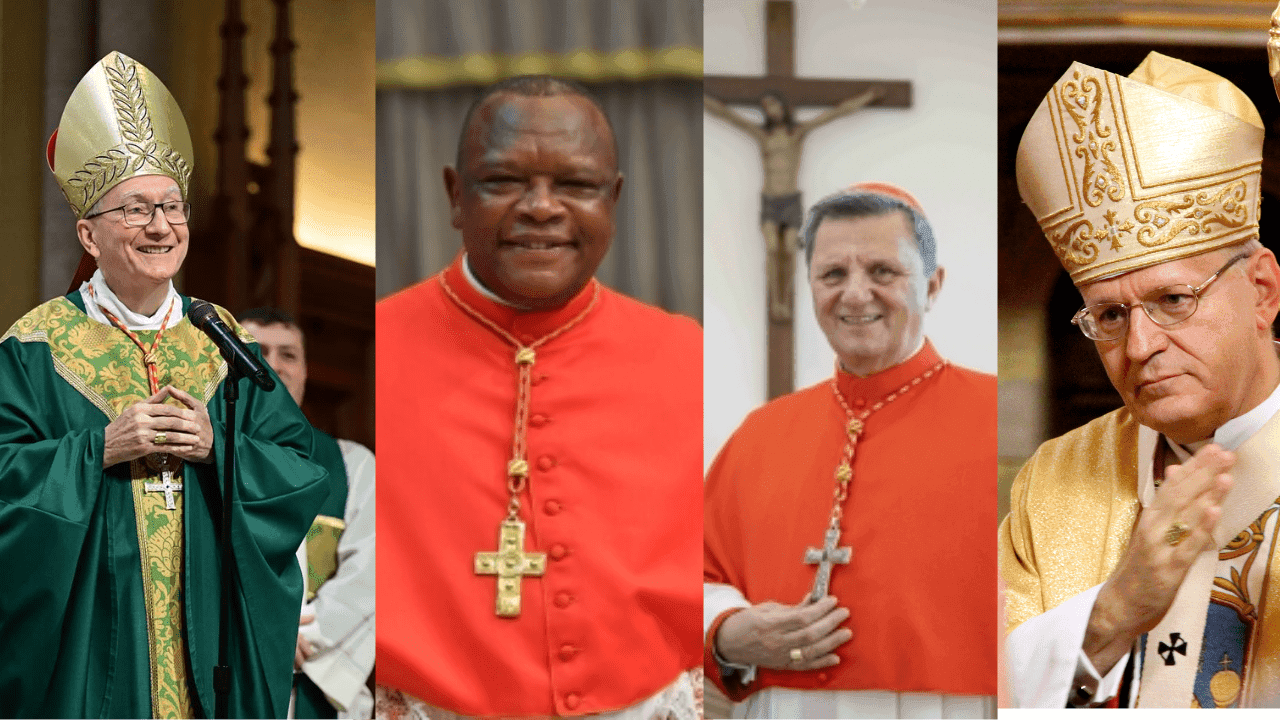
Among the potential candidates is Cardinal Peter Erdo, a canon lawyer from Hungary, known for his balanced stances on disputed issues like migration while maintaining a traditionalist view. Cardinal Fridolin Ambongo from the Democratic Republic of Congo has also emerged as a contender, noted for his staunch orthodoxy and vocal criticism of governmental inefficacies.
Cardinal Mario Grech from Malta is acclaimed for his progressive reformative strategies within Church governance. As a major influencer, he advocates for a more consultative approach, potentially mirroring Francis’s inclusive governance style.
Cardinal Pietro Parolin, the Vatican’s skilled statesman, serves as a linchpin in the Vatican’s administration, offering a promise of moderate yet globally cognizant guidance if chosen as pope. His experience and diplomatic poise could stabilize internal church dynamics.
The globe-spanning Catholic landscape sees figures such as Cardinal Luis Tagle of the Philippines, positioned as a beacon for Asian Catholics and known as ‘Asian Francis’ for his focus on outreach to marginalized communities. His papacy would emphasize a continued dedication to inclusivity.
In a tense global climate where religious roles navigate turbulent socio-political waters, the pontificate carries the responsibility to guide with empathy yet firmness. Each mentioned candidate represents a complex amalgamation of past roots and future aspirations, tasked with amplifying the church’s moral voice amid modern complexities.
Whoever the cardinal electors choose, the new pope will symbolically carry the torch of a nearly 2000-year-old institution, marking another chapter in the continuing saga of the Catholic Church. The evolving context of this new leadership will undeniably steer both the institution and its followers through challenges uniquely reflective of our contemporary world.