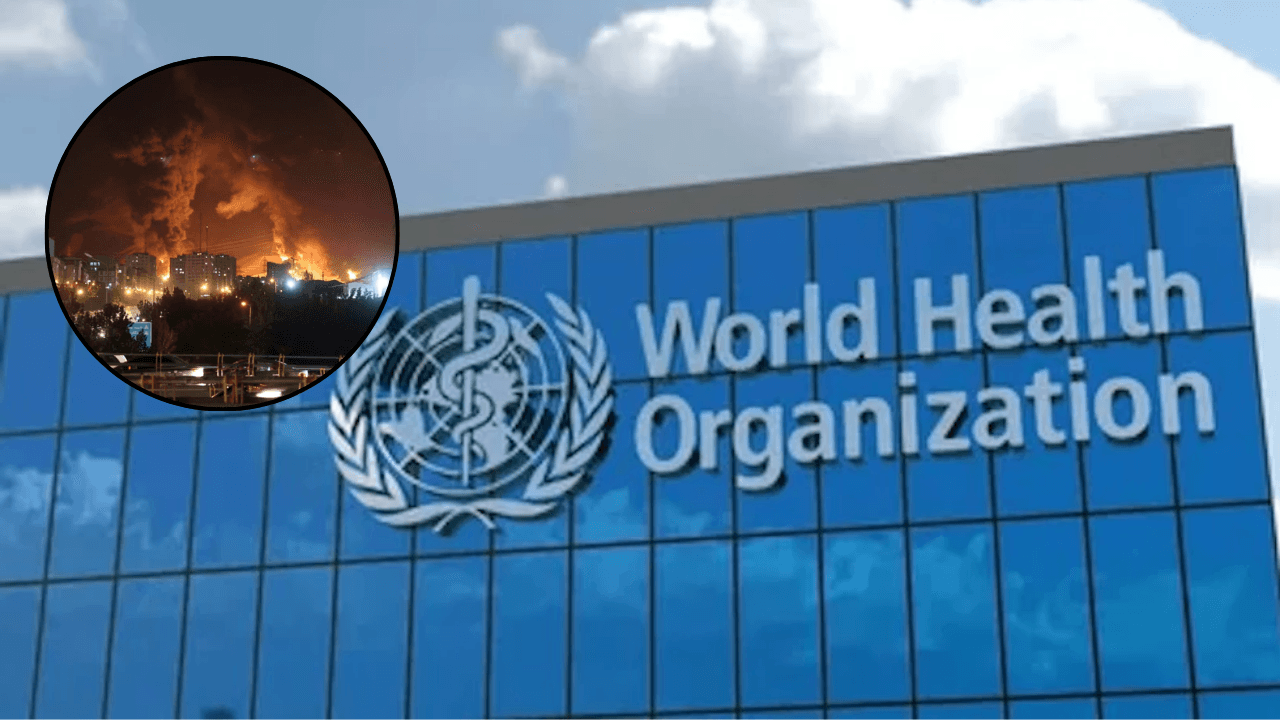
Global health officials are preparing for a scenario they hope never happens.
The World Health Organization says it is actively planning for a possible nuclear incident as tensions rise in the ongoing conflict involving Iran, the United States, and Israel.
Officials warn that the consequences could be devastating and long lasting.
The situation has added new urgency to an already volatile conflict.
WHO Raises Alarm Over Nuclear Scenario
Hana Balkhy, the WHO regional director for the Eastern Mediterranean, said the agency is closely monitoring the situation.
“The worst-case scenario is a nuclear incident, and that’s something that worries us the most,” Balkhy told Politico.
She warned that the effects would not be limited to one region.
“The consequences are going to last for decades,” she added.
More information about WHO emergency response planning can be found on the World Health Organization website.
Emergency Plans Being Updated
WHO officials said staff are reviewing protocols for responding to nuclear emergencies.
This includes guidance on radiation exposure and long term health risks.
United Nations teams are also preparing for different scenarios, including attacks on nuclear facilities.
Officials stressed that these preparations are precautionary but necessary.
Conflict Driving Global Concern
The warning comes as the United States and Israel continue military operations targeting Iran’s nuclear infrastructure.
U.S. officials have said the goal is to prevent Iran from developing nuclear weapons.
According to public statements, key facilities have already been damaged or disabled.
Coverage of the conflict and its impact has been reported by major outlets such as Reuters.
Mixed Signals From US Officials
U.S. intelligence leaders have offered differing views on Iran’s nuclear capabilities.
Director of National Intelligence Tulsi Gabbard told lawmakers that previous strikes had significantly damaged Iran’s enrichment program.
She said key underground facilities had been sealed and operations halted.
However, other officials have warned that the situation could still escalate quickly.
Concerns Over Escalation Grow
Recent comments from U.S. officials have added to concerns about potential escalation.
Some have raised the possibility of broader military actions that could increase risks in the region.
President Donald Trump said he does not believe Israel would use nuclear weapons.
Still, global health leaders say even the possibility of such an event requires preparation.
Global Impact Could Last Decades
Experts warn that a nuclear incident would have far reaching effects beyond the Middle East.
Health, environmental, and economic damage could affect multiple regions for years.
WHO officials emphasized that prevention remains the top priority.
For now, the world is watching closely as tensions continue to rise and leaders weigh their next moves.