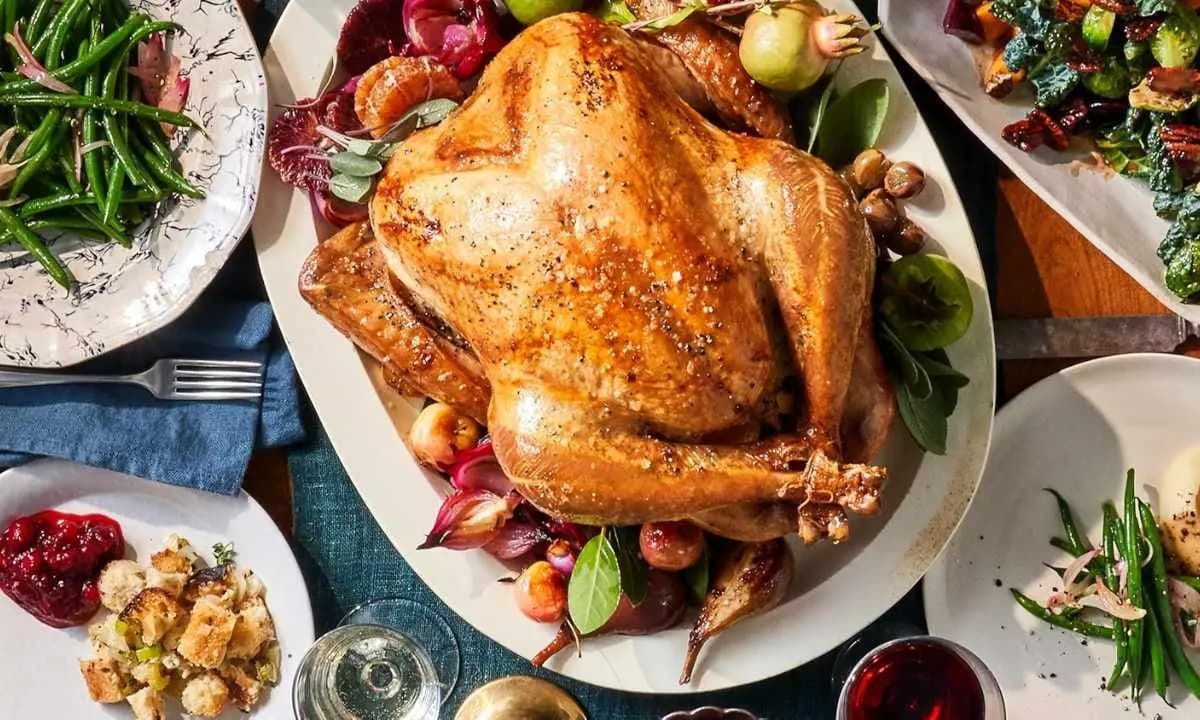
Thanksgiving is all about celebrating with family, delicious food, and traditions. But some traditions, like washing your turkey before cooking, might be doing more harm than good. Experts strongly advise against washing your turkey because it spreads harmful bacteria, like salmonella and campylobacter, all over your kitchen. These germs are legally present in raw poultry, but trying to clean them with water can actually create bigger problems.
This long-standing habit stems from cultural practices and generational advice. Even influence from famous chefs like Julia Child, who once promoted washing poultry on TV. However, the USDA now firmly recommends skipping this step, focusing instead on proper cooking to kill bacteria. Let’s have a closer look.
The Science Behind the Germ Spread
Washing raw poultry might seem like a way to clean it, but it’s one of the easiest ways to contaminate your kitchen. Here’s why:
- Cross-Contamination Risks
When water splashes off raw turkey, it spreads bacteria to nearby surfaces, utensils, and even other foods. The USDA’s experiments show just how dangerous this can be. For example, E. coli contamination was found on surfaces even when poultry wasn’t washed, simply from handling the raw meat. Washing increases this risk by creating a bacteria-filled splash zone. - Misconceptions About Slimy Textures
Many people wash their turkey because it feels slimy or appears dirty. But that “slimy” texture is natural and doesn’t mean the turkey is unclean. Cooking the turkey thoroughly to 165°F is the only effective way to eliminate harmful germs.
Dr. Mindy Brashears, a food safety expert, explains: “The key is cooking the turkey to the proper temperature, not washing it.”
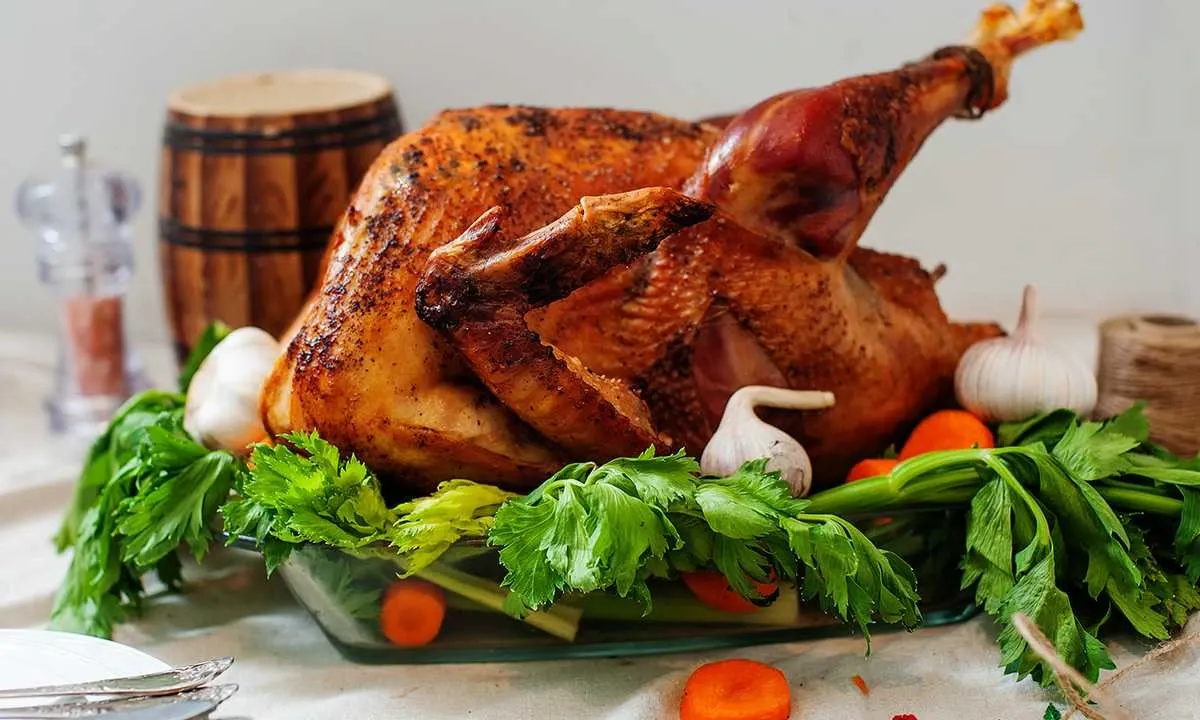
Safe Turkey Preparation: What to Do Instead
If washing your turkey is out, what should you do to ensure it’s safe to eat? Follow these guidelines for a germ-free Thanksgiving:
- Sanitize Your Kitchen
- Clean hands, countertops, and utensils thoroughly before and after handling raw turkey.
- Use tools like soap, hot water, separate cutting boards, and disinfectants to minimize contamination.
- Thawing Your Turkey Safely
- Use the refrigerator, cold water, or a microwave to thaw your turkey safely. Avoid leaving it on the counter, as this puts the turkey in the “danger zone” temperature range (40°F–140°F), where bacteria multiply quickly.
- Cooking for Safety
- Always use a food thermometer to check that the thickest parts of the turkey (breast, thigh, and stuffing) reach at least 165°F.
- Follow roasting guidelines based on the bird’s weight to ensure even cooking.
“Federal food safety advice has recommended against washing turkey or chicken since 2005, but some habits are hard to break. A 2020 survey* found that 78% of participants reported washing or rinsing turkey before cooking. Old recipes and family cooking traditions may tempt you to keep this practice going, but it can make you and your family sick. Poultry juices can spread in the kitchen and contaminate other foods, utensils, and countertops.”
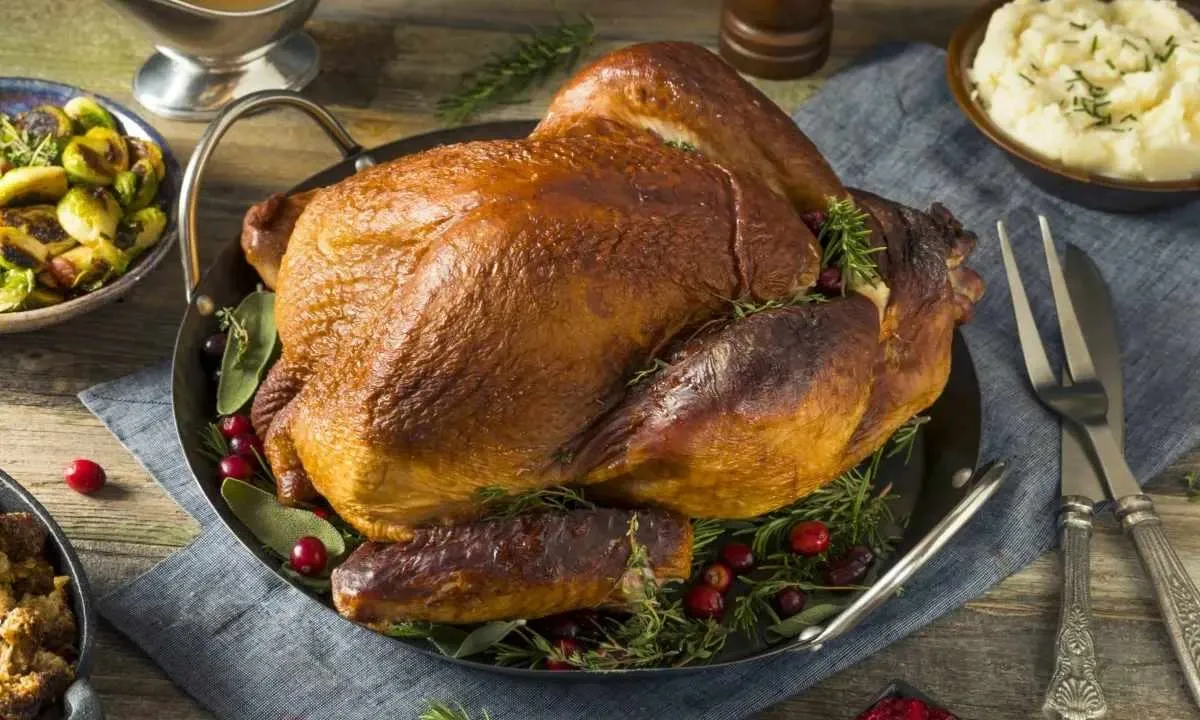
Additional Tips for a Germ-Free Thanksgiving
- Handling Leftovers
- Store leftover turkey and dishes in the fridge within two hours of serving to prevent bacterial growth.
- Reheat leftovers to at least 165°F before eating.
- Stuffing Safety
- Cooking stuffing inside the turkey is risky because it may not reach a safe temperature. To ensure even heating, cook stuffing separately. If you choose to stuff the bird, make sure the stuffing also reaches 165°F.
Drusilla Banks, a food safety specialist, highlights the challenge of breaking old habits: “Generations have passed down the practice of washing poultry, and it’s difficult to change these ingrained behaviors.”
Conclusion
Old traditions, like washing your turkey, may feel comforting, but they can endanger your family’s health. Instead, focus on proper cooking and kitchen sanitation to ensure a safe and delicious Thanksgiving meal. Remember, Thanksgiving is about enjoying the day with loved ones—not dealing with foodborne illnesses.
Also read,