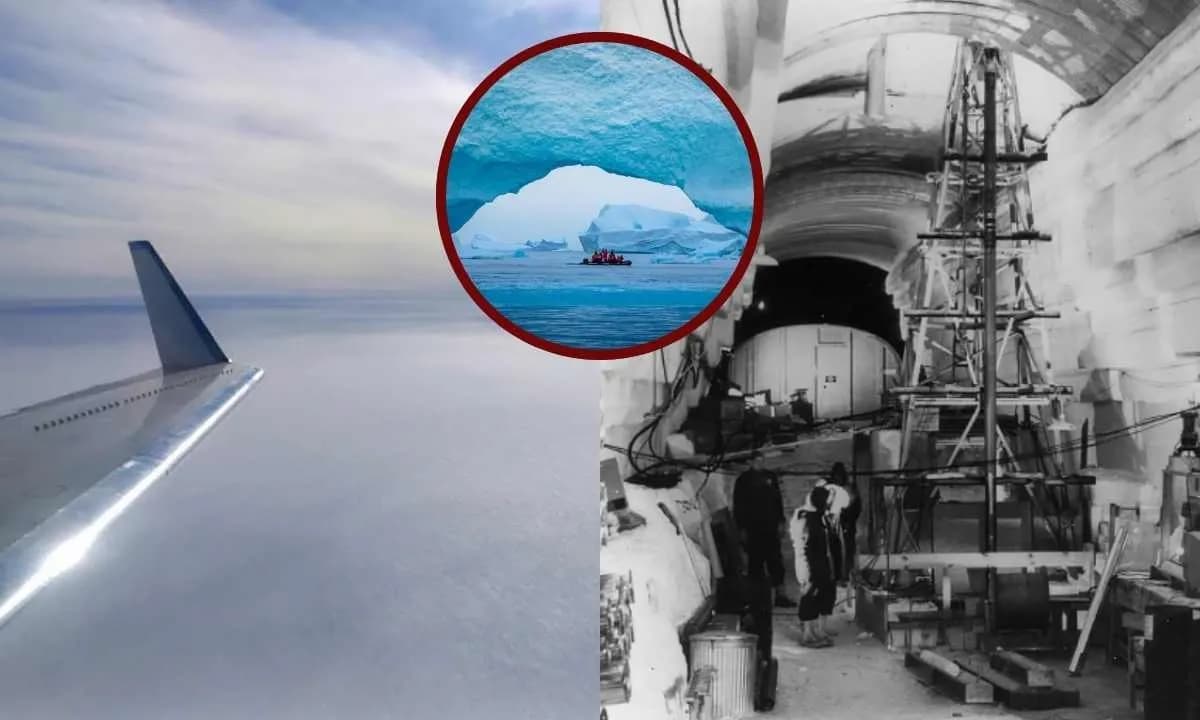
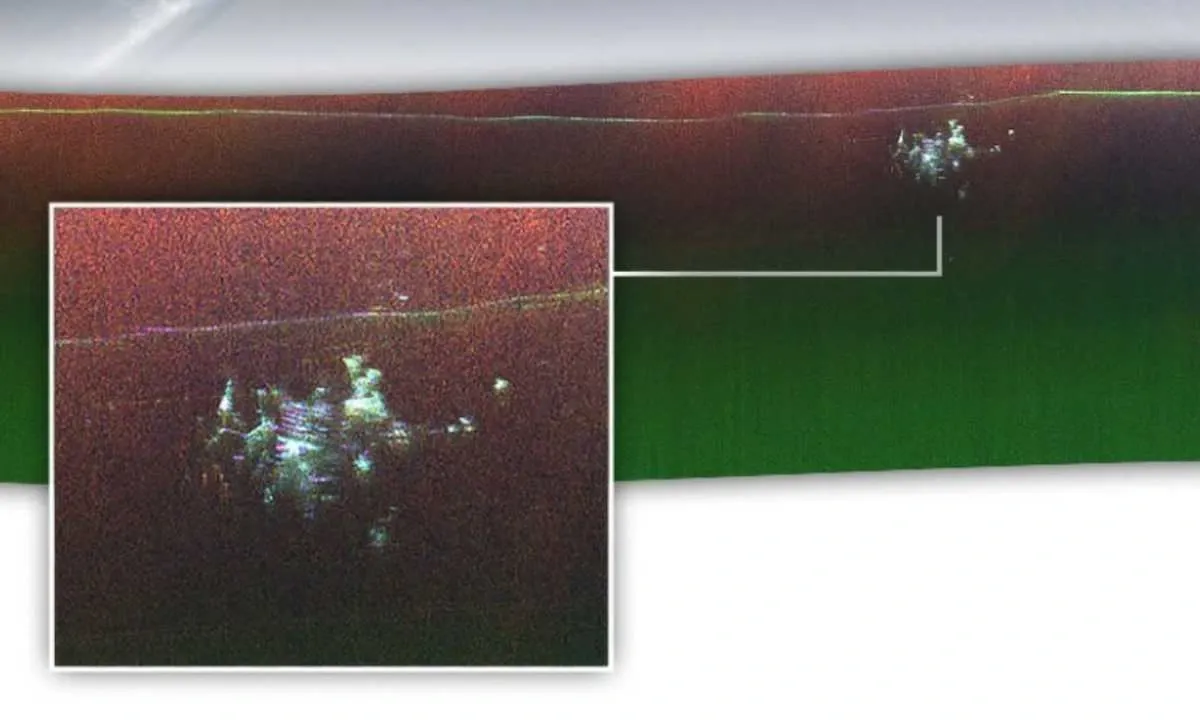
In April 2024, NASA scientists made an unexpected discovery beneath Greenland’s ice sheet. Using advanced radar technology, they revealed Camp Century, an abandoned Cold War-era U.S. military base. While their mission focused on mapping the ice sheet and its bedrock, what emerged was a vivid image of a “city under the ice.” Alex Gardner, a cryospheric scientist at NASA’s Jet Propulsion Laboratory (JPL), described the moment: “We were looking for the bed of the ice, and out pops Camp Century. We didn’t know what it was at first.”
Chad Greene, another JPL scientist on the mission, highlighted how their advanced radar allowed them to see structures in ways never before possible: “In the new data, individual structures in the secret city are visible in a way that they’ve never been seen before.” Let’s have a closer look at the details.
Advanced Technology That Revealed the Secret
The discovery was made possible by Uninhabited Aerial Vehicle Synthetic Aperture Radar (UAVSAR), an advanced radar system mounted on a NASA Gulfstream III aircraft. Unlike conventional radar, UAVSAR provides detailed images of structures hidden deep within the ice, allowing scientists to explore the intricate layout of Camp Century.
This technology helps researchers not only uncover hidden relics but also better understand the dynamics of ice sheets and their interaction with the Earth beneath them.
The Origins of Camp Century: A Secret Cold War City
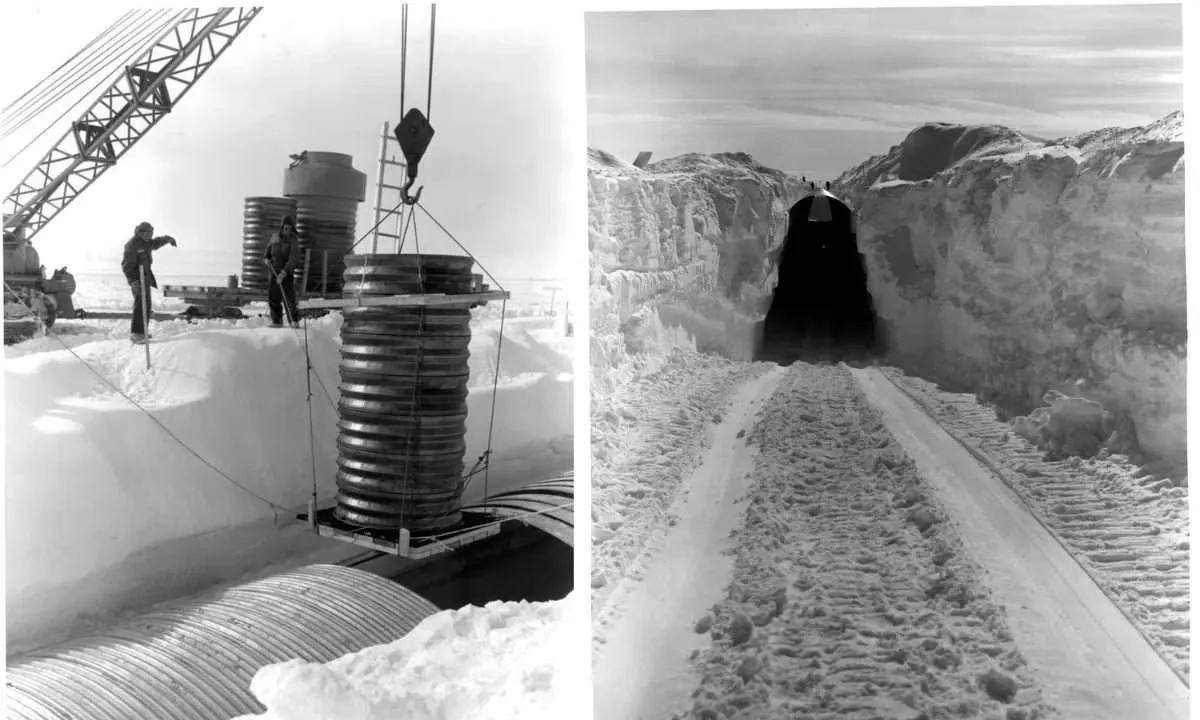
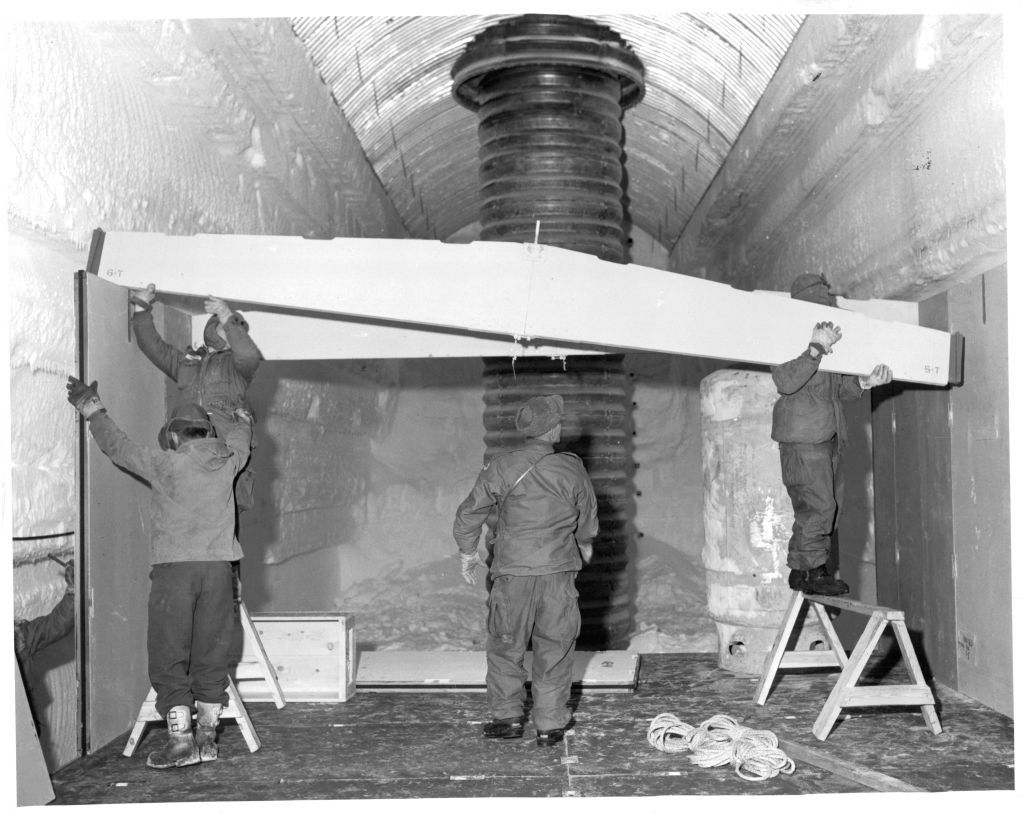
Camp Century was constructed in 1959 during the Cold War as part of the U.S. military’s strategic initiatives. This “city under the ice” was built with an ambitious purpose: to support Project Iceworm. The project aimed to create 2,500 miles of tunnels beneath Greenland’s ice sheet to house nuclear missiles capable of reaching the Soviet Union.
Northern Greenland was chosen for its remoteness and strategic proximity to the Soviet Union. According to a 2007 article in The Scandinavian Journal of History, the plan involved constructing tunnels with floors lying 28 feet beneath the ice surface. The modified missiles, known as “Iceman,” were designed to withstand the immense pressure of launching through the ice sheet.
Challenges and Impracticality
Despite its ingenuity, Project Iceworm faced significant challenges. The Greenland Ice Sheet’s ever-shifting nature made it nearly impossible to maintain stable tunnels. By 1967, the base was abandoned due to high costs, logistical difficulties, and the unstable environment.
Abandonment and Legacy of Camp Century
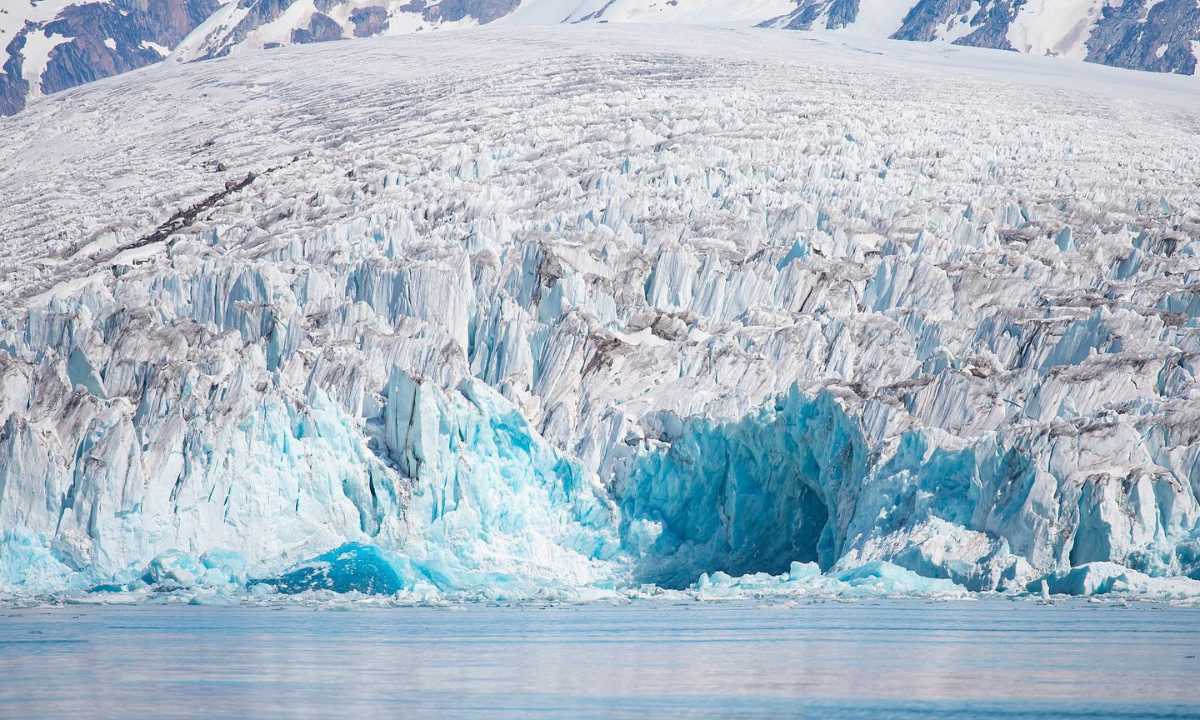
When Camp Century was deserted in 1967, it left behind more than just empty tunnels. Weapons, fuel, sewage, and other contaminants were buried at the site. Today, climate change poses a serious threat, as the thawing ice risks exposing these dangerous relics.
In 2017, the U.S. government acknowledged these risks. They stated that it “acknowledges the reality of climate change and the risk it poses.” The government stood committed to working with Denmark and Greenland authorities on issues of mutual security regarding Camp Century.
Camp Century as a Climate Change Warning
As Greenland’s ice continues to melt, scientists are concerned about the potential release of buried contaminants. These relics, once frozen and secure, now pose environmental and geopolitical risks.
“Without detailed knowledge of ice thickness, it is impossible to know how the ice sheets will respond to rapidly warming oceans and atmosphere, greatly limiting our ability to project rates of sea level rise.”
Alex Gardner explained the broader implications.
The data collected during the mission provides insight into Camp Century. They also contribute to our understanding of the ice sheet’s dynamics.
A Historical Relic and Scientific Resource
Camp Century serves as a bridge between history and science. It reminds us of Cold War ambitions while providing crucial data to study climate change. Discoveries like these highlight how human activity and environmental changes are deeply interconnected.
Conclusion
The rediscovery of Camp Century is more than a historical curiosity. It underscores the importance of understanding our past to address modern challenges like climate change. NASA’s ongoing research, powered by advanced radar technology, promises to uncover more about Earth’s large ice sheets. They also wish to find a role in global environmental systems. As the Greenland Ice Sheet continues to shift, Camp Century reminds us of the urgency to address climate change and protect our world for future generations.
Also read,