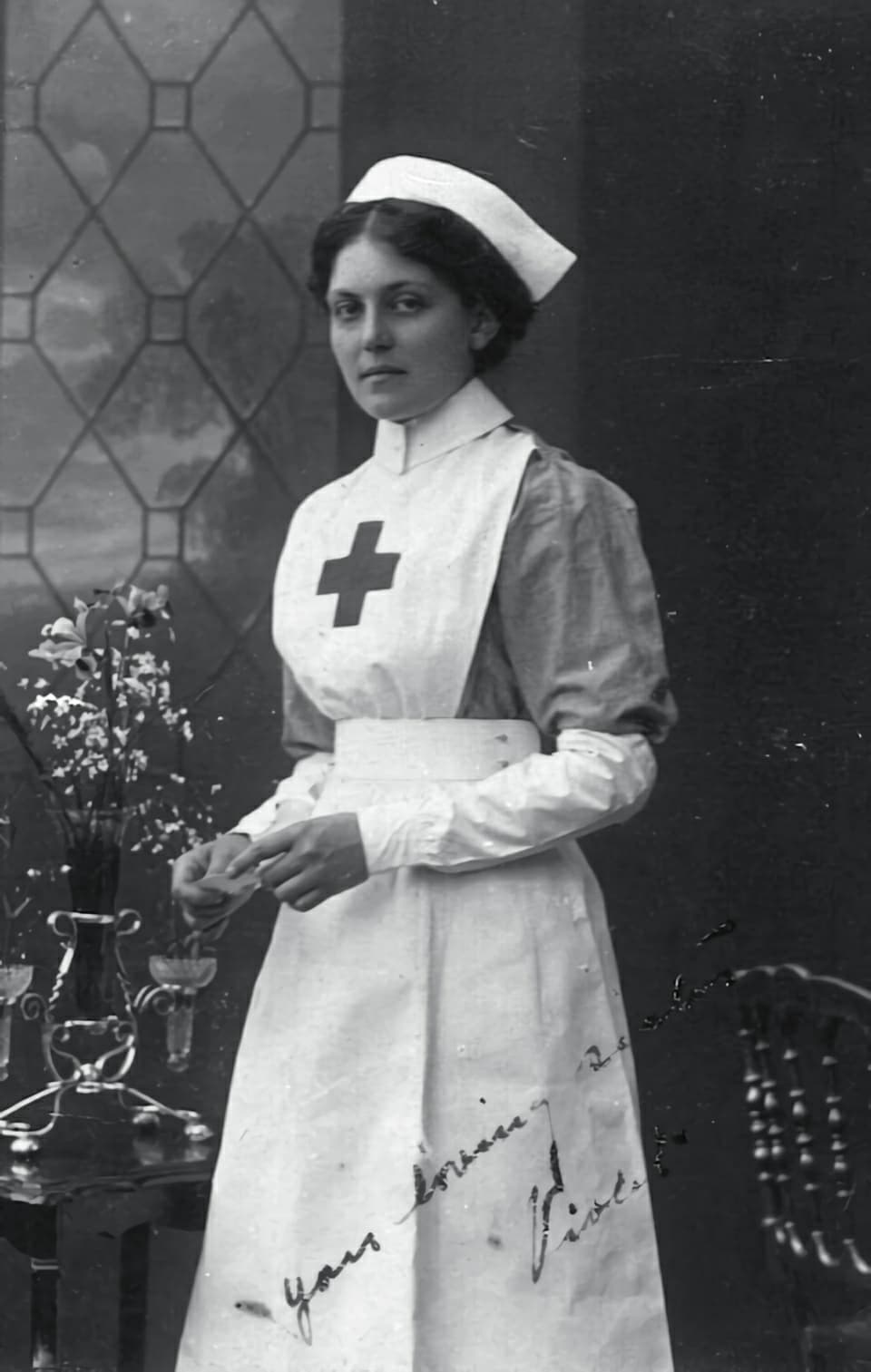
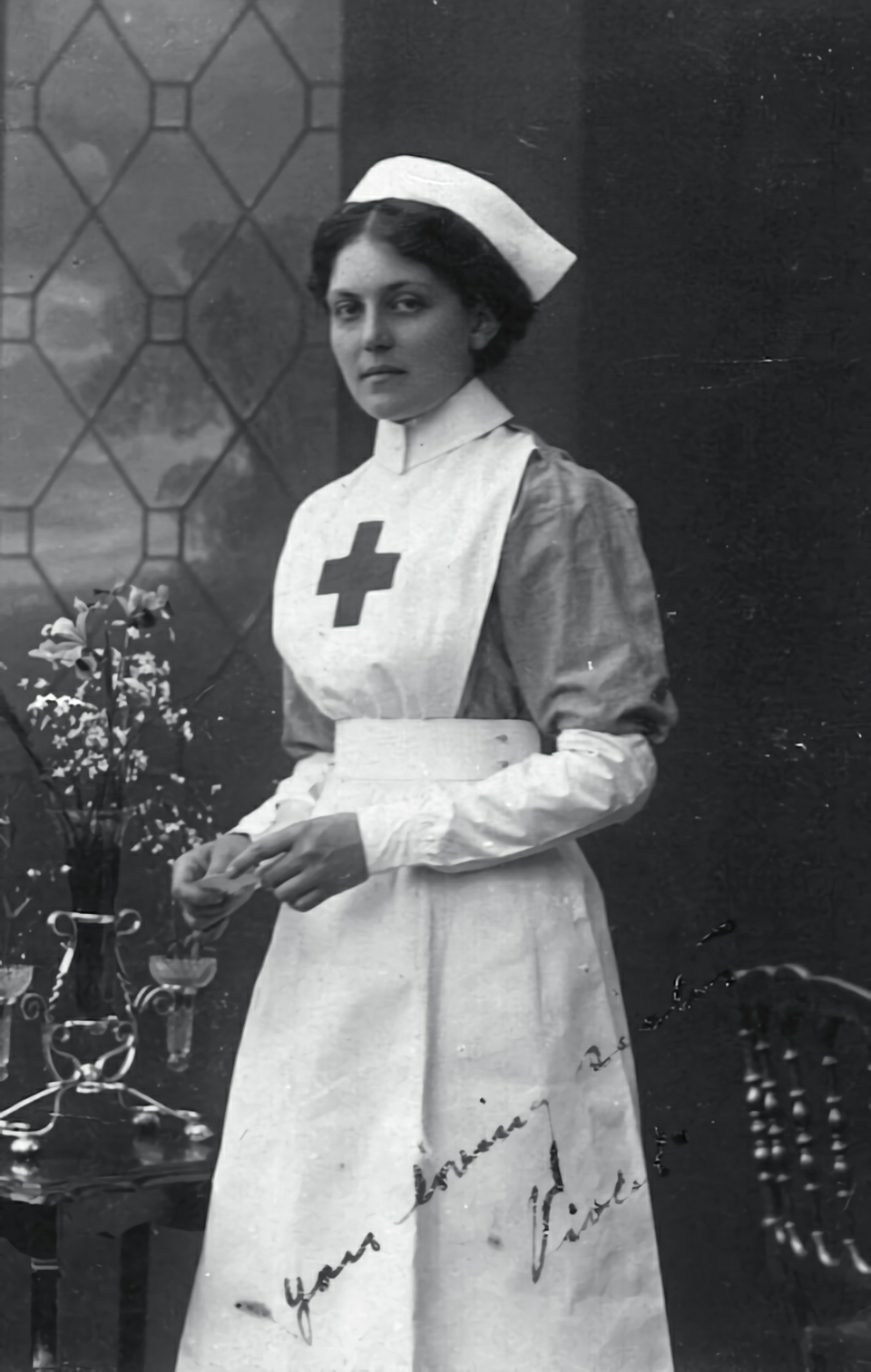
Violet Jessop survived Titanic’s sinking in 1912. Four years later, she escaped another sinking ship: Britannic. Before either disaster, she had also been aboard their sister ship Olympic during a major collision.
It is a remarkable sequence, but one distinction matters: Jessop survived two sinkings and one collision—not three sinking ships. Olympic remained afloat and returned to service. Sources: Encyclopedia Titanica’s biography and Molly Brown House Museum.
A working life at sea
Jessop’s story began with employment, rather than a search for adventure.
According to the Molly Brown House Museum’s account, based on her memoirs, she became a stewardess after her mother’s health deteriorated. She began working at sea in 1908 and later joined the White Star Line.
Serving passengers meant long hours and demanding work. Her memoirs give a view of ocean travel from the crew’s side of the grand public rooms: a world of duties, shared quarters and friendships. Source: Molly Brown House Museum.
Olympic: the collision she survived first
Jessop was aboard Olympic when it collided with the British warship HMS Hawke in 1911.
A contemporary account in the U.S. Naval Institute’s Proceedings places the collision on September 20, off Cowes on the Isle of Wight.
Olympic needed repairs, but this was not a shipwreck. Jessop later moved to Titanic, the new liner that would carry her into one of history’s best-known maritime disasters. Source: Encyclopedia Titanica.
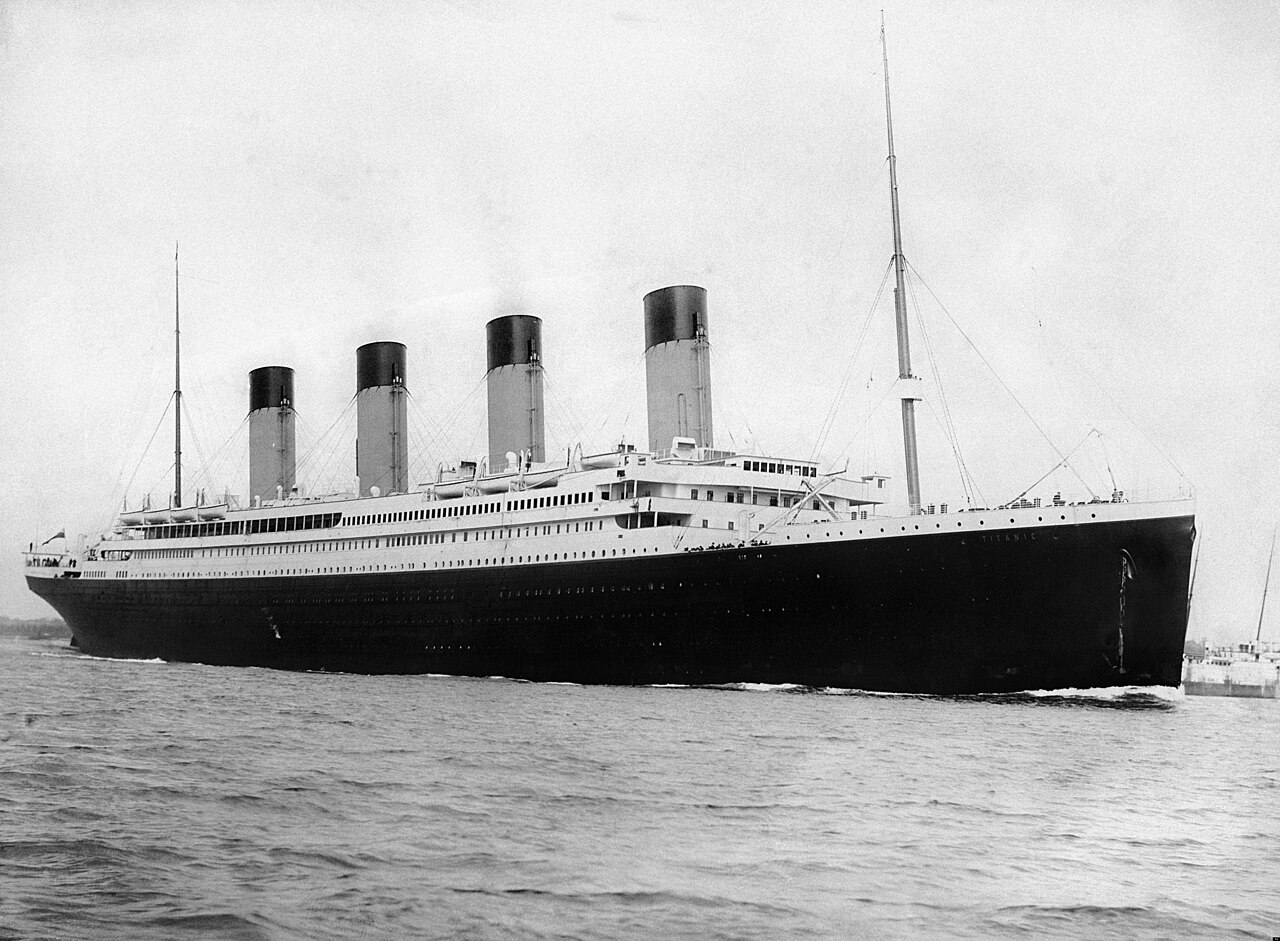
Titanic: escape in lifeboat 16
Titanic struck an iceberg on the night of April 14, 1912, and sank early the following morning.
The museum’s memoir-based account describes Jessop helping reassure passengers before a crew member ordered her into a lifeboat. She escaped in lifeboat 16 and was later taken aboard Carpathia.
Survival also meant discovering who had not returned. Her recollections remembered missing friends and colleagues, including ship designer Thomas Andrews. Source: Molly Brown House Museum.
Britannic: another escape in the Aegean
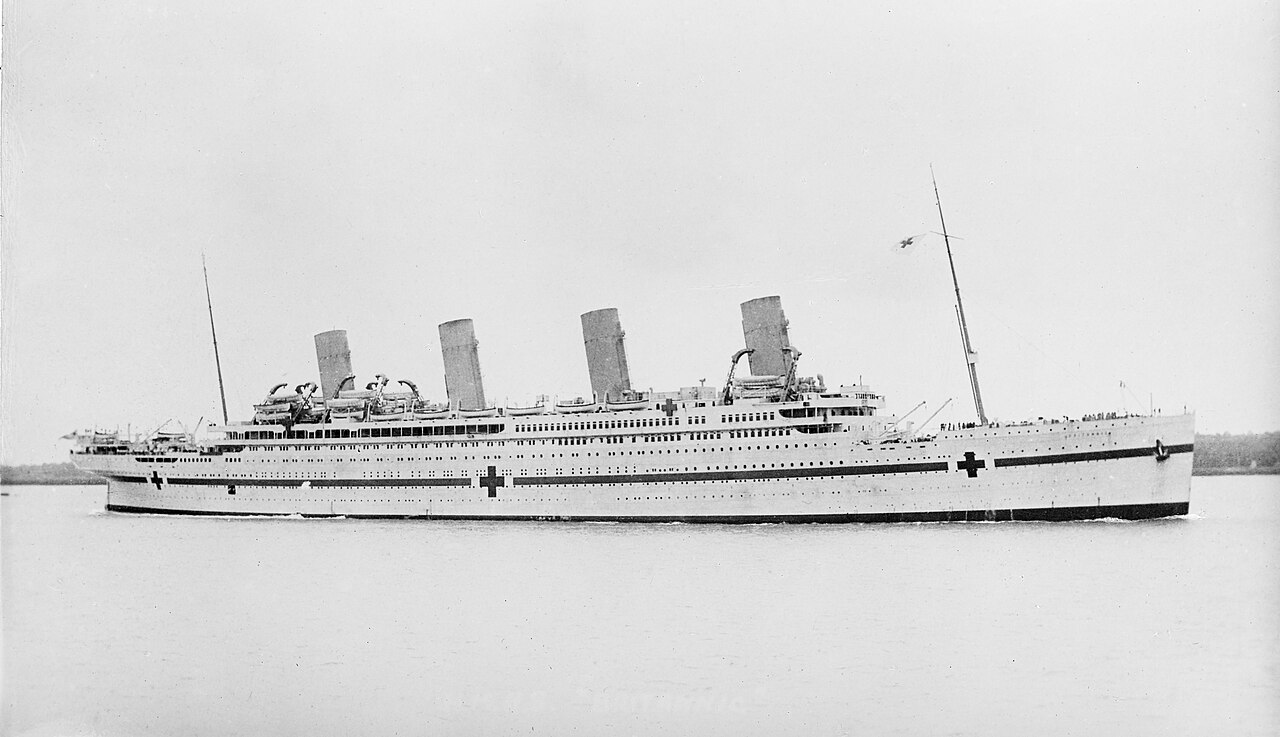
During World War I, Jessop undertook nursing duties aboard Britannic, which had been converted into a hospital ship.
On November 21, 1916, Britannic struck a mine in the Aegean Sea. Titanic Belfast’s ship history confirms the date and cause of the sinking.
Jessop escaped a lifeboat threatened by the ship’s still-turning propeller by jumping into the water, according to the Smithsonian National Postal Museum’s survivor account.
Her own recollection, reproduced by Encyclopedia Titanica, says she struck her head beneath the ship. She said a doctor later discovered evidence of a skull fracture. That injury detail comes from her account, rather than a medical record examined for this article. Source: Encyclopedia Titanica.
She returned to sea
Neither sinking ended Jessop’s maritime career. She worked at sea again after the war and retired in 1950. She died on May 5, 1971, aged 83. Sources: Smithsonian National Postal Museum and Encyclopedia Titanica.
Her life is often reduced to an astonishing survival record. Her memoirs preserve something more: the experience of a working woman whose career included both ordinary duties and extraordinary danger.
Remembering that fuller life honors her resilience without forgetting the people who did not survive beside her.
Historical photograph credits
- Violet Jessop in Voluntary Aid Detachment uniform: photographer unknown.
- Titanic departing Southampton, April 10, 1912: F. G. O. Stuart.
- Britannic during World War I: Allan C. Green.


All three photographs are public domain, sourced through Wikimedia Commons. The ship photographs show the vessels before their sinkings.