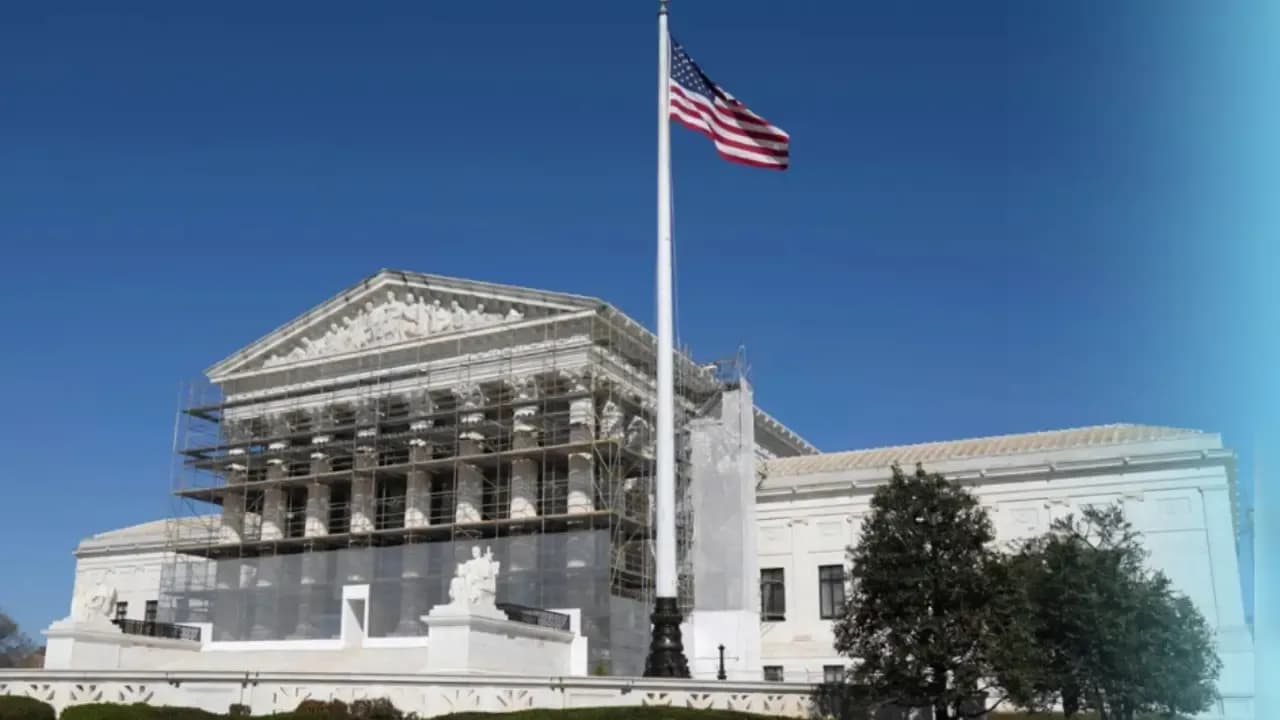
The US Supreme Court has delivered a critical ruling, blocking a previous decision that mandated the rehiring of 16, 000 federal workers laid off during the Trump administration. These probationary employees were dismissed as part of a broader effort to reduce government size.
A shock to many, the high court’s decision leaves thousands in limbo, with some questioning the future of these workers’ careers.
This case traces back to a federal judge’s order in California, demanding reinstatement of the employees. The justification was a procedural oversight, as the firings did not comply with federal law.
However, the administration, in an emergency appeal to the Supreme Court, sought and obtained a temporary block on the rehiring mandate. This ruling reflects the court’s consistent siding with the Trump administration in its endeavors to execute sweeping changes across the federal government.
The court’s decision carries significant consequences. For the affected workers, many of whom had served probationary periods, this means continued uncertainty. The case has sparked debates about workers’ rights and the overarching power of executive decisions.
An additional lawsuit in Maryland challenges these firings and places broader geographic constraints on the implementation of any potential reinstatement orders.
While there is some hope for sectors that filed separate suits, the fate of thousands remains unresolved amid ongoing legal battles. Provoking emotions from disappointment to outrage, many are now scrutinizing governmental restructuring efforts under President Trump.
Expected to face resistance in the lower courts, the Justice Department prepares to counter arguing procedural adherence and the necessity of administrative efficiency. Legal experts pinpoint this case as indicative of larger themes: federal oversight, administrative power, and the balance of worker protections.
Significantly, Justices Sonia Sotomayor and Ketanji Brown Jackson dissented, arguing for upholding the original ruling to expedite relief for affected employees. Their stance reflects broader concerns about judicial roles in addressing executive missteps.
As the case proceeds, affected workers and observers alike are left questioning the reach and impact of federal executive decisions on employment security.
This outcome will likely not only shape immediate reemployment prospects but also inform future governance and administrative protocols across the United States.