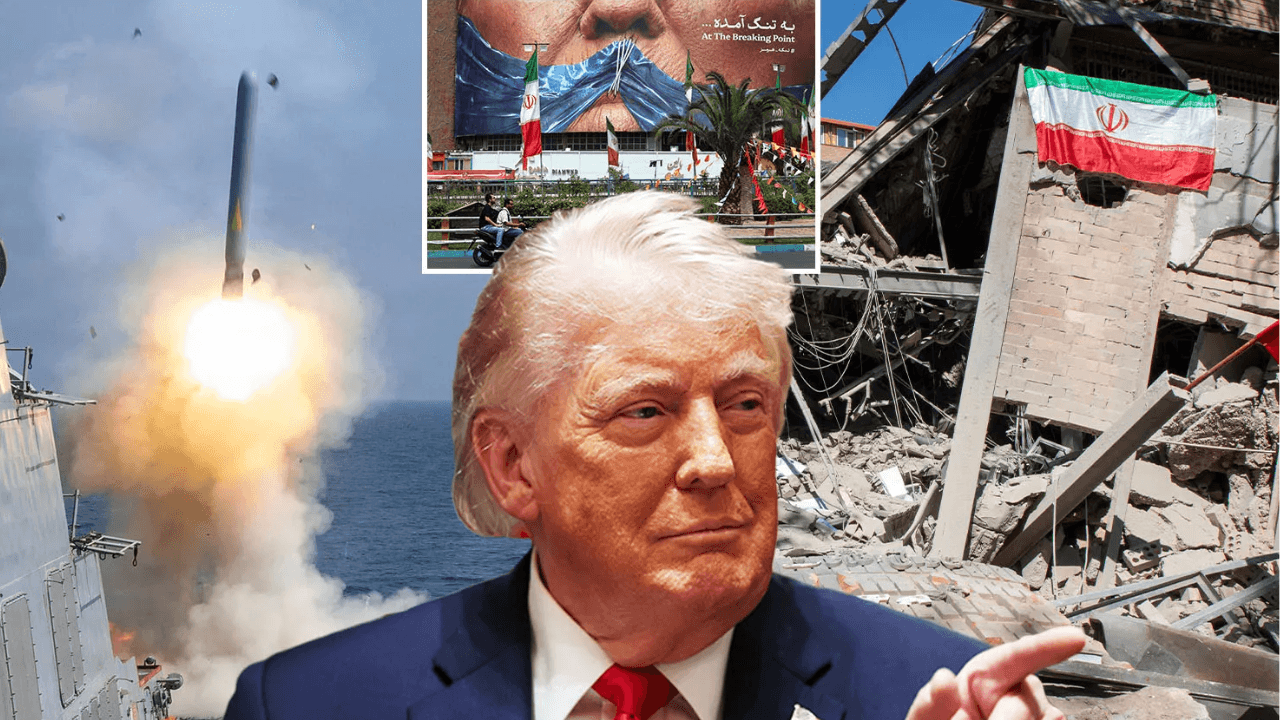
A US Iran deal may be close, but new missile and drone attacks threaten the fragile ceasefire.
The United States and Iran have reached a tentative 60 day memorandum of understanding to extend their ceasefire and reopen talks over Iran’s nuclear program, according to Axios and Reuters. But the agreement still needs final approval from President Donald Trump, and Iran has not publicly confirmed a final deal.
The reported breakthrough came during one of the most dangerous nights of the conflict. U.S. Central Command accused Iran of launching a ballistic missile toward Kuwait and sending one way attack drones near the Strait of Hormuz. CENTCOM said Kuwaiti forces intercepted the missile. U.S. Central Command
The new military exchange showed how fragile the ceasefire remains. Negotiators may be close to a deal, but forces on both sides are still responding to threats in one of the world’s most important energy corridors.
Trump Has Not Given Final Approval
Axios reported that U.S. and Iranian negotiators agreed on the terms of a 60 day ceasefire extension. The plan would also launch new talks on Iran’s nuclear program and restore shipping through the Strait of Hormuz. Axios
Reuters also reported that the memorandum of understanding has been reached but still requires Trump’s approval. A source told Reuters that the deal would focus on extending the ceasefire and starting nuclear negotiations. Reuters
Trump has not publicly signed off on the agreement. Reports say he asked for more time to consider the proposal before giving a final answer.
Vice President JD Vance said Thursday that the two sides are “very close” to a deal. But he also said it remains unclear when Trump will approve it.
Missile Threat Raises Alarm in Kuwait
While the deal was being discussed, Kuwait activated its air defenses. The country’s military said it faced hostile missile and drone threats and warned residents that explosion sounds came from interception activity.
CENTCOM later said Iran launched a ballistic missile toward Kuwait after earlier drone activity near the Strait of Hormuz. The command called it an “egregious ceasefire violation.”
The missile reportedly targeted Ali Al Salem Air Base, where U.S. forces are stationed. Officials said Kuwaiti forces intercepted the missile.
The incident pushed Gulf states into a higher state of alert. It also raised the risk that a single strike could derail the reported ceasefire extension before it is approved.
U.S. Forces Strike Iranian Drone Site
CENTCOM said Iranian forces launched five one way attack drones that posed a threat in and near the Strait of Hormuz. U.S. forces intercepted the drones and struck a ground control site in Bandar Abbas to prevent another launch.
The U.S. described the action as defensive. Officials said the target was linked to drones that threatened American forces and commercial maritime traffic.
Iran’s Islamic Revolutionary Guard Corps said it responded to a U.S. attack near Bandar Abbas. The IRGC warned that if attacks continue, Iran’s response will be more forceful.
The exchange marked another dangerous test for the ceasefire. Even as diplomats moved closer to an agreement, military activity continued around the Gulf.
Strait of Hormuz Is at the Center of the Deal
The proposed deal would reportedly allow unrestricted shipping through the Strait of Hormuz. That waterway is one of the most important energy routes in the world.
The U.S. Energy Information Administration has called the Strait of Hormuz the world’s most important oil transit chokepoint. Large amounts of global oil and natural gas move through it each day. U.S. Energy Information Administration
Under the reported plan, Iran would stop harassing vessels and remove mines from the waterway. The United States would discuss lifting its naval blockade of Iranian ports as commercial shipping returns.
The agreement would also open the door to talks over frozen Iranian assets, humanitarian goods, sanctions relief, and Iran’s highly enriched uranium.
New Sanctions Keep Pressure on Tehran
Even as talks moved forward, the U.S. Treasury announced new sanctions connected to Iran’s activity around the Strait of Hormuz.
The Treasury Department sanctioned Iran’s Persian Gulf Strait Authority, a body the U.S. says is tied to efforts to control and collect fees from vessels passing through the strait. Treasury warned that companies working with the authority could face sanctions risk. U.S. Department of the Treasury
Treasury Secretary Scott Bessent also said the United States would keep targeting financial channels that help Iran’s military rebuild or operate.
The pressure campaign shows the Trump administration is trying to negotiate and punish Tehran at the same time. That approach may give Washington leverage, but it also risks angering Iran during fragile talks.
Oil Prices Rise as Markets Watch the Gulf
Oil prices climbed after the new military activity and missile threat. Traders reacted to the possibility that the Strait of Hormuz could remain unstable.
Even a short disruption in the strait can affect global energy markets. That is why the reported deal matters far beyond the Middle East.
If the agreement holds, ships could move more freely and energy prices could ease. If it fails, more strikes could push oil prices higher and deepen the conflict.
The market reaction shows how closely global economies are tied to the security of one narrow stretch of water.
A Deal Close to Approval but Still at Risk
The reported US Iran deal could mark the biggest diplomatic opening since the war began. It may extend the ceasefire, reopen shipping lanes, and begin talks on Iran’s nuclear program.
But nothing is final yet. Trump has not publicly approved the agreement. Iran has not fully confirmed the reported terms. Military strikes and missile threats are still testing the ceasefire.
For now, the region sits between two possible futures. One path leads toward a 60 day pause and serious nuclear talks. The other could return the Gulf to a wider military confrontation.
The next decision may come from Trump. But the latest missile and drone attacks show that time is not the only pressure on the deal. Every new strike could decide whether diplomacy survives.