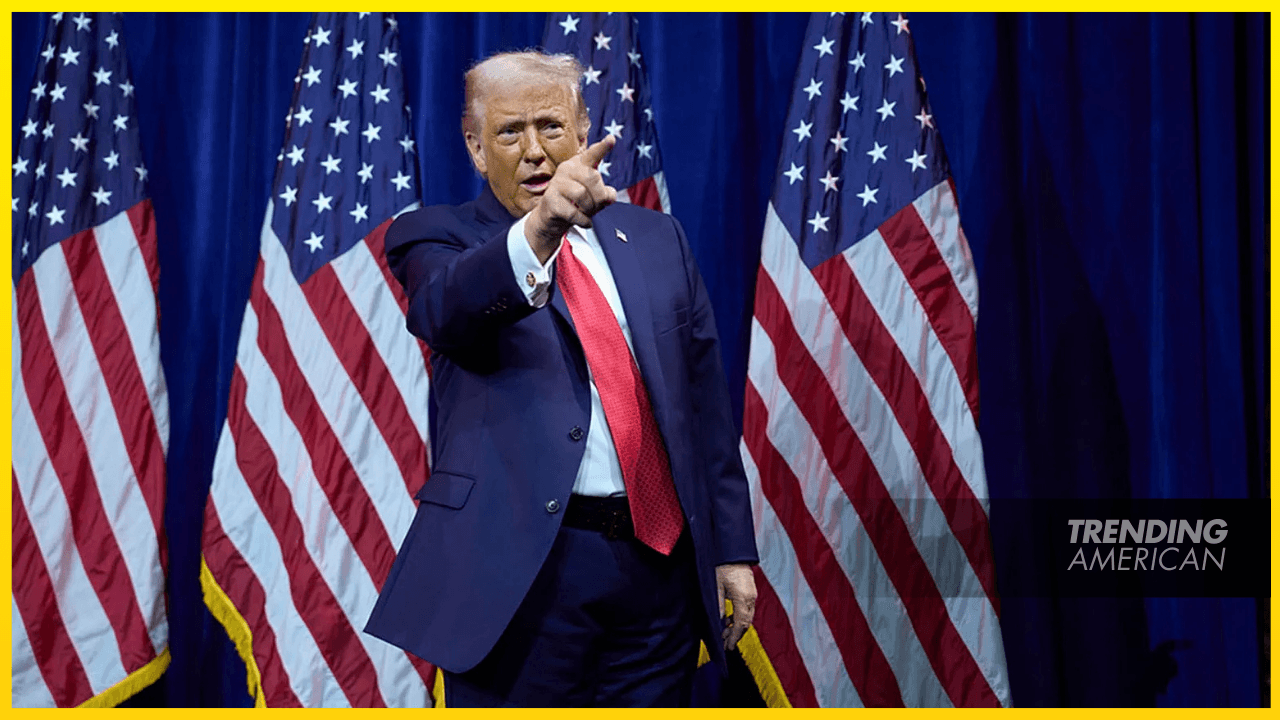
In Washington, January 7, 2026, President Donald J. Trump announced a sweeping shift in U.S. participation in multilateral institutions. A Presidential Memorandum directs the United States to withdraw from 66 international organizations, signaling an end to U.S. funding and active participation in these bodies, including climate-focused organizations. The White House framed the move as a step to restore American sovereignty and to prioritize U.S. interests over allocations to international governance structures that are viewed as misaligned with national priorities.
Key elements of the action include withdrawal from prominent climate governance bodies such as the United Nations Framework Convention on Climate Change (UNFCCC) and the Intergovernmental Panel on Climate Change (IPCC). Officials indicate that funding and participation in these organizations will cease, with resources redirected to domestic priorities such as infrastructure, national security, and other core programs.
The administration says the decision reflects a broader effort to redefine multilateral engagement and to ensure that U.S. taxpayer dollars advance American interests. Supporters say the move corrects what they see as a drift toward globalist agendas, while critics warn of potential consequences for international climate coordination, diplomacy, and funding flows that support climate initiatives around the world.
Looking ahead, the White House signaled that additional reviews of U.S. participation in international groups are forthcoming. Officials described a process to realign future multilateral engagement with core national priorities, while monitoring potential spillovers into diplomacy and global climate policy.
International outlets quickly began assessing the implications of the withdrawal. Reuters, CNN, and The New York Times covered the development, noting concerns among foreign capitals and the broader climate community about the consequences for international cooperation and climate finance. Other outlets, including Axios, NPR, and major White House briefings, provided contemporaneous accounting of the action and its rationale.
Domestically, officials said that funds previously earmarked for these organizations would be redirected toward infrastructure, security, and other domestic initiatives. The move represents a historic shift in U.S. climate engagement, with supporters arguing it realigns policy with national interests and sovereignty, and critics warning of weakened global climate cooperation and potential reputational effects.