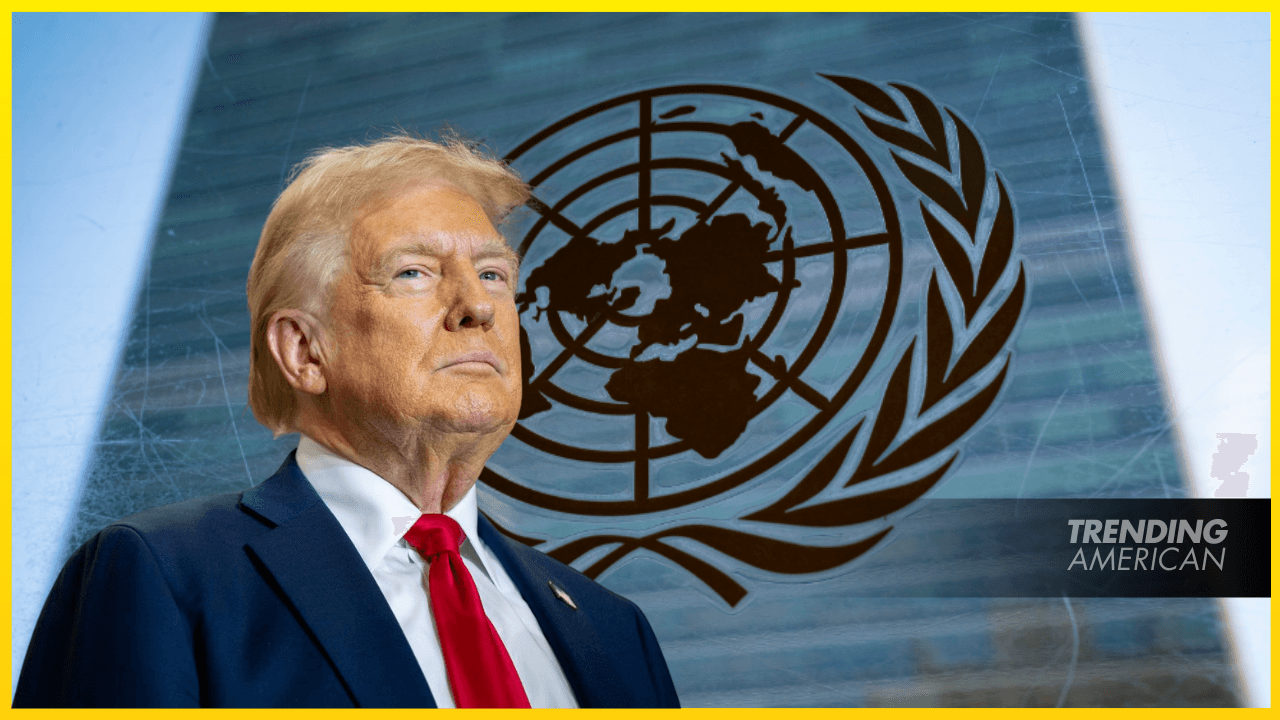
In Washington, the Trump administration announced a sweeping withdrawal from 66 international organizations and related treaties, signaling a pivot toward unilateral U.S. policy.
The move follows a review by the White House of multilateral commitments, with officials arguing that many bodies are redundant or mismanaged. On January 7, 2026, President Trump signed an executive order directing the suspension of U.S. support and participation in the 66 entities. The list includes United Nations–related agencies focusing on climate, labor, migration, health and other global issues. Several non-UN groups are affected as well, according to White House statements and accompanying fact sheets. The administration says funding will be redirected toward United States priorities and sovereignty. Officials frame the move as a correction to perceived waste and misalignment with American interests. Critics warn the step could weaken global climate governance and undermine diplomatic ties at a time when multilateral action has been central to U.S. leadership.
The 66 entities target a broad range of programs, from climate adaptation to labor standards and migration coordination. The executive order directs immediate suspension of U.S. contributions and participation rights. The administration argues that many bodies are redundant, poorly managed, or contrary to U.S. interests. By reallocating funds, the White House says U.S. sovereignty and national interests are protected. Officials emphasize willingness to re-engage bilaterally where it advances American goals. The move follows a pattern of recalibrating U.S. commitments in a more insular international posture.
Analysts say the withdrawal could slow progress on global climate governance and complicate international programs. Allies and international bodies may need to realign funding, governance structures and joint initiatives. Global health, labor standards and refugee coordination could face funding gaps or program realignments. Climate talks and other transnational efforts are likely to be affected as the United States shifts toward bilateral arrangements.
Supporters insist that the move protects U.S. taxpayers and ensures programs serve American sovereignty. Critics warn that the step risks eroding long-standing partnerships and diminishing influence in global governance. As the White House reallocates funds, observers say a broader reorientation of U.S. foreign policy may be underway.