In 2025, North American trade policy saw a marked shift as both Mexico and the United States moved toward greater protectionism, fueling debate over whether tariffs could bankroll a border security agenda. Mexico’s Congress approved a new tariff law in December 2025, signaling a decisive tilt toward protectionism in response to U.S. tariff moves. The measure followed a year in which trade policy in the region grew more retaliatory and policy-driven, complicating existing economic ties across the United States–Mexico–Canada triangle.
Meanwhile, the Trump administration expanded tariff rhetoric and actions beyond the previous focus on China. In February 2025, President Trump announced reciprocal tariffs on imports from Mexico and Canada, with enforcement scheduled to take effect on March 4, 2025. News coverage framed these tariffs as a continuation of his protectionist approach during his term, designed to press allies on immigration, trade balance, and border policy.

Analysts warned that these moves could have negative economic consequences, including slower growth, higher consumer costs, and pressures on particular sectors and jobs within the United States and globally. Still, coverage varied in tone, with some outlets outlining a narrative that tariff revenues might be channeled toward border infrastructure and security.
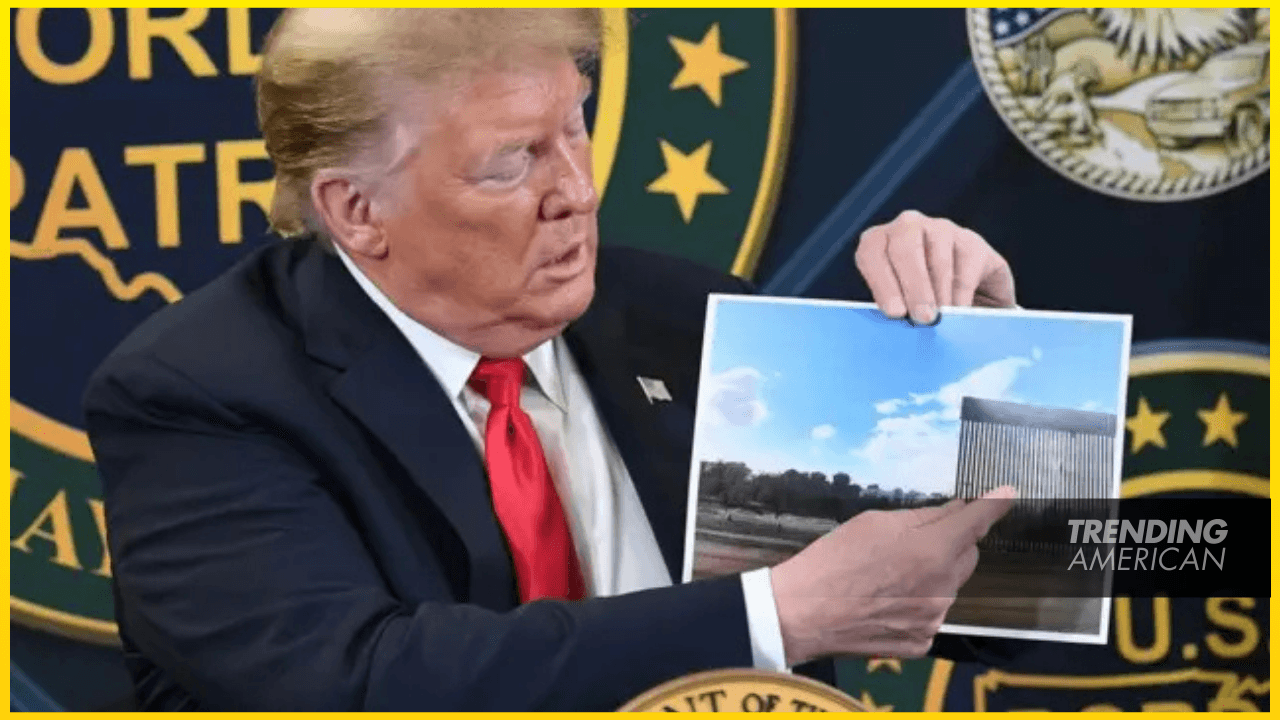
The developments reflect a broader context of shifting North American trade relations and the longstanding goal of border control that has loomed large in U.S. policy debates for years. Observers pointed to the possibility that Mexico’s protectionist shift could become a leverage point in negotiations with Washington, while U.S. tariff strategy toward its neighbors reshaped how policymakers frame border policy, including funding mechanisms associated with a wall.
For readers seeking more detail, sources that shaped this synthesis include a policy-focused analysis of Mexico’s protectionist shift, official U.S. tariff announcements, and reporting from Reuters, Bloomberg, The New York Times, and NPR, among others.
Disclosure: We may earn a commission when you make a purchase through the ads.