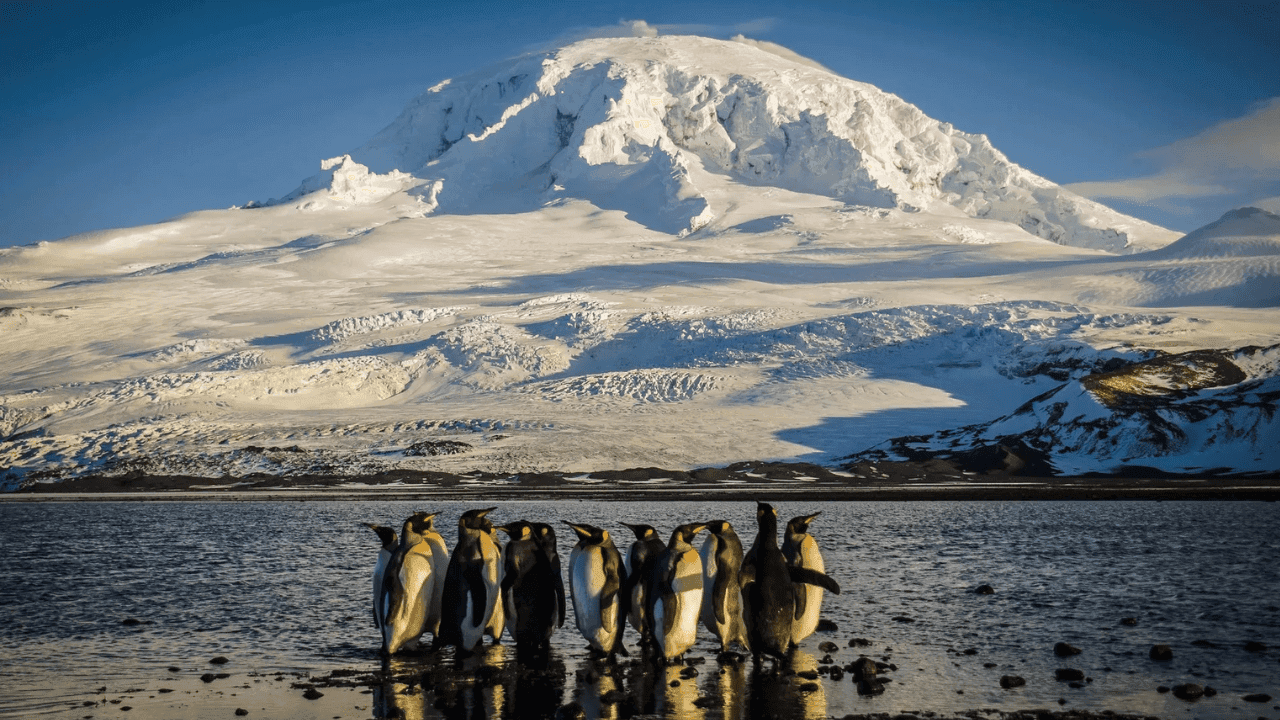
In a surprising turn of events, President Trump has announced sweeping tariffs extending to countries and territories worldwide, including the remote and uninhabited Heard and McDonald Islands in the sub-Antarctic Indian Ocean. These islands, recognized as a UNESCO World Heritage site for their unique biodiversity, will now face a baseline 10% tax on U.S. imports.
The inclusion of these barren islands, which are under Australian jurisdiction, has puzzled many as they hold no economic or strategic value towards U.S. trade. The move seems purely symbolic, possibly aimed at making a broader geopolitical statement. According to a White House official, the islands were included due to their Australian territory status.
The Heard and McDonald Islands are among the few volcanically active subantarctic islands and are home to colonies of seals, penguins, and a variety of bird species. Human visits are rare and strictly regulated; permits are required for landing, and it takes two weeks by sea from mainland Australia to reach them.
This unexpected extension of tariff policy has raised questions about the strategic objectives of the Trump administration. While this initiative could be a flex of geopolitical muscle, critics are concerned about its practical implications on international relations and environmental conservations.
As global observers continue to debate the logic behind imposing tariffs on territories without permanent human populations, regions such as Jan Mayen in the Arctic Ocean, which also appeared on the list, add another layer to this curious political maneuver. It is worth noting other territories affected include the British Indian Ocean Territory.
The implications for trade partners vary; Norway faces higher, 15% tariffs on U.S. imports, while 10% is set on the UK. Although the rationale behind these specific choices remains unclear, this move by Trump highlights his approach to international policy-making: unpredictable yet assertive.
For now, the spotlight remains on the uniquely targeted locations by the tariffs, which notably exclude major players like Russia, driving further speculation about the administration’s motives.