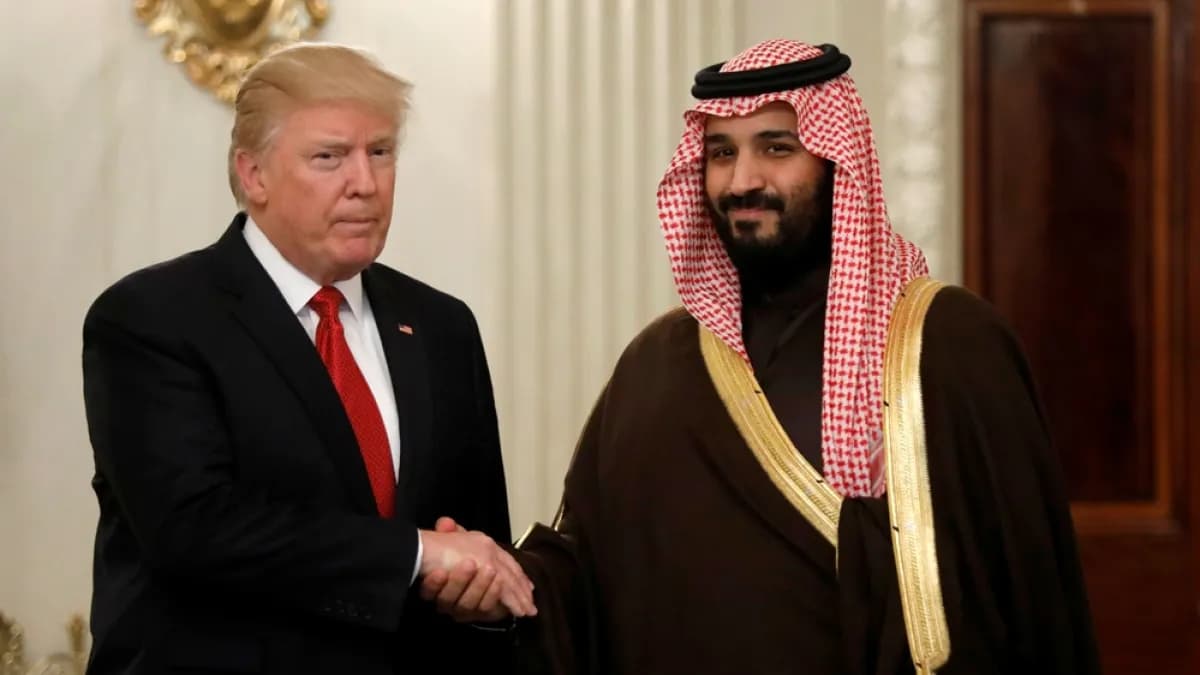
Amid pomp and grandeur, US President Donald Trump held a watershed meeting with Saudi Crown Prince Mohammed bin Salman at the White House on November 18, 2025. The occasion, marked by fighter jet flyovers and lavish cocktails, symbolized a renewed era in US-Saudi relations.
Among the headlines: Trump’s announcement of Saudi Arabia’s new status as a major non-NATO ally, a move facilitating deeper military cooperation. The highlight? A staggering $1 trillion Saudi investment commitment to the US, effectively doubling previous pledges.
While praising the prince’s statesmanship, Trump notably sidestepped questions about human rights, especially concerning the Jamal Khashoggi scandal. Khashoggi, a dissident journalist, was murdered in 2018—a case that drew global condemnation. Trump dismissed the controversy, labeling Khashoggi “controversial” and shifting focus to economic gains and arms sales, including F-35 fighter jets.
Despite unease over Saudi human rights practices, the meeting underscores the incessant balance international leaders often navigate between economic benefits and ethical governance. The agreements shape a robust yet contentious path forward for both nations as they bolster shared economic and security interests amidst geopolitical complexities.
The bold move signals a deeper strategic alliance that, while criticized for overlooking past grievances, heralds potential economic growth and regional stability through controversial yet defining international dialogues.
Disclosure: We may earn a commission when you make a purchase through the ads.