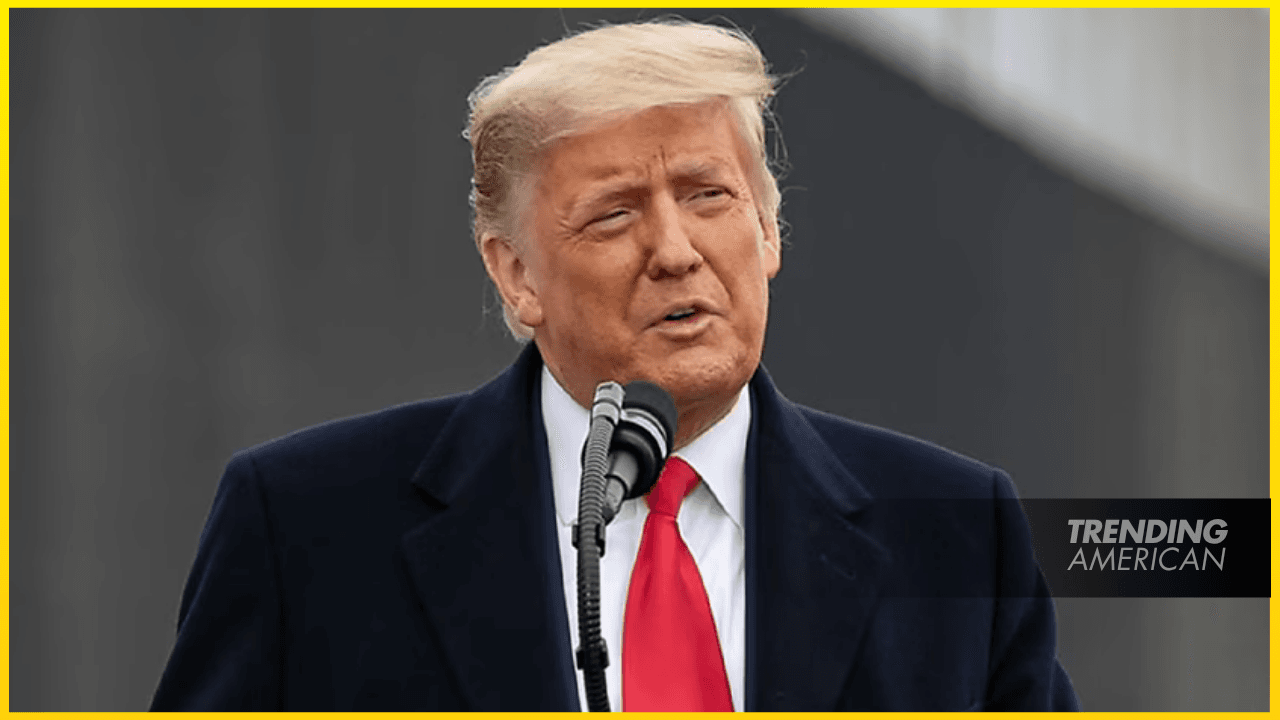
On November 18, 2025, President Donald Trump ignited a heated debate by calling on Congress to abolish state-level regulations on artificial intelligence (AI), advocating instead for a unified federal AI standard. Criticizing state efforts as a “patchwork” that endangers economic growth, Trump labeled some regional policies as producers of ‘Woke AI’. With the support of house Republican leaders, this move could eventually integrate AI preemption into the National Defense Authorization Act.
Trump’s rationale centers on preventing state-level overregulation from disrupting innovation and economic expansion. Vice President JD Vance echoed Trump’s sentiments, warning that overly restrictive measures could stifle a burgeoning industry. Meanwhile, Florida Governor Ron DeSantis opposed the idea, arguing it might favor Big Tech and curb states’ rights to shield citizens against digital harms.
This clash underscores the ongoing friction between state autonomy and federal oversight, especially as Saudi Crown Prince Mohammed bin Salman pledges further investment in the U.S. economy amid this regulatory tug-of-war. As the discussion unfolds, the nation watches to see how this might reshape the landscape of American tech sector governance.
Disclosure: We may earn a commission when you make a purchase through the ads.