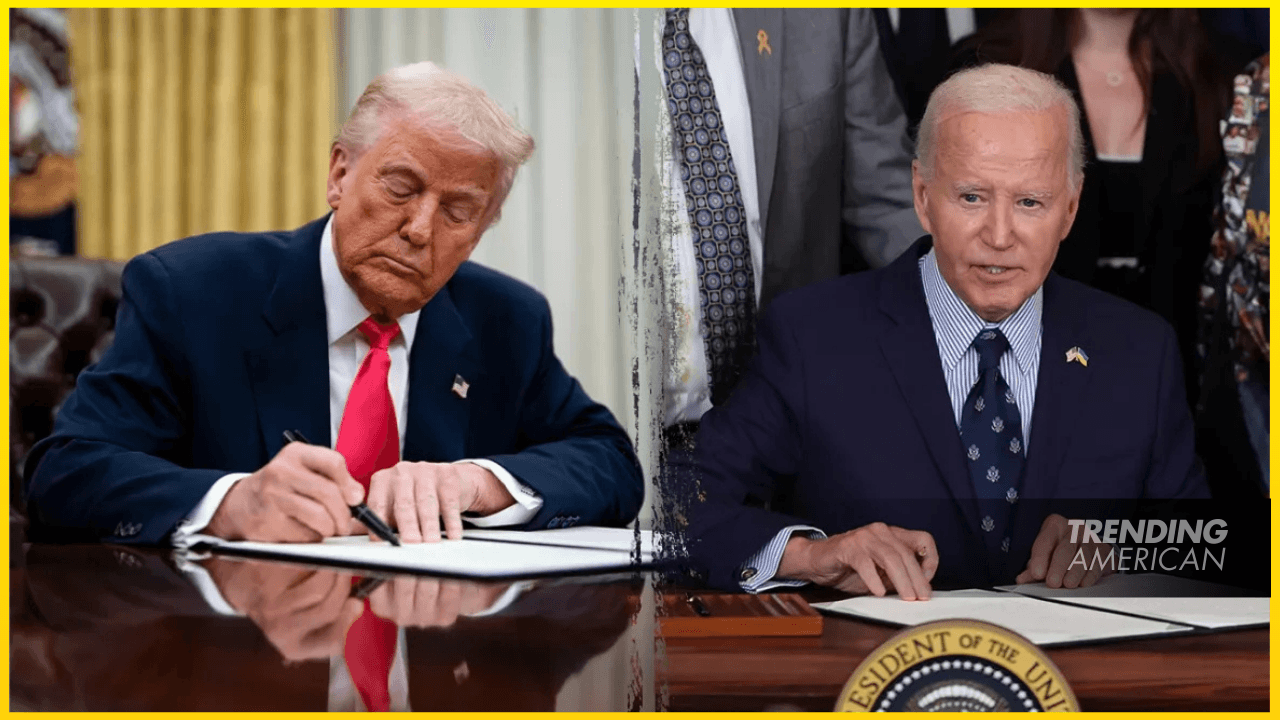
On November 28, 2025, President Donald J. Trump announced from the White House that he would roll back and cancel Biden-era executive orders that were signed using the presidential autopen. He argued that those signatures were illegitimate and that the orders lacked direct presidential authorization, describing the move as both a policy reversal and a political stance in the ongoing autopen debate.
Trump’s remarks put the White House squarely in the middle of a long-running dispute over how the president’s signature is produced when the commander-in-chief is not physically signing documents. He claimed that about 92% of Biden’s executive actions were autopen-signed, and that those orders would be terminated and would carry no force as a result. The White House did not immediately issue a formal comment following the announcement, and reporters from NBC News, CBS News and CNN covered the development as part of a broader story about presidential signing authority and the role of technology in governance.
Biden aides did not publicly respond to the announced rollback in the cited reports. In prior remarks, Biden had said that he personally made the decisions during his presidency, a position cited by aides but not directly addressed in Trump’s latest announcement. Legal experts told outlets that the move could encounter challenges in court or Congress, with the scope and validity of retroactively voiding actions signed under a different administration likely to be contested. At issue, observers say, is whether a successor president can unilaterally nullify orders signed by a predecessor and what constitutes valid presidential authorization in the digital signing era.
Analysts note that the immediate political implications may be as much about the framing of executive powers and the autopen controversy as about the specific policy content of the orders. Some reform-minded observers see it as a call for greater transparency and direct presidential involvement, while critics warn of instability for agencies whose rules or guidelines rest on Biden-era directives.
What happens next remains uncertain. Legal challenges or wide-ranging reviews by federal agencies could determine how many, if any, Biden-era actions actually come back into force. Political dynamics in Congress may also shape the next steps, including potential oversight or legislative responses to any rollback.
Disclosure: We may earn a commission when you make a purchase through the ads.