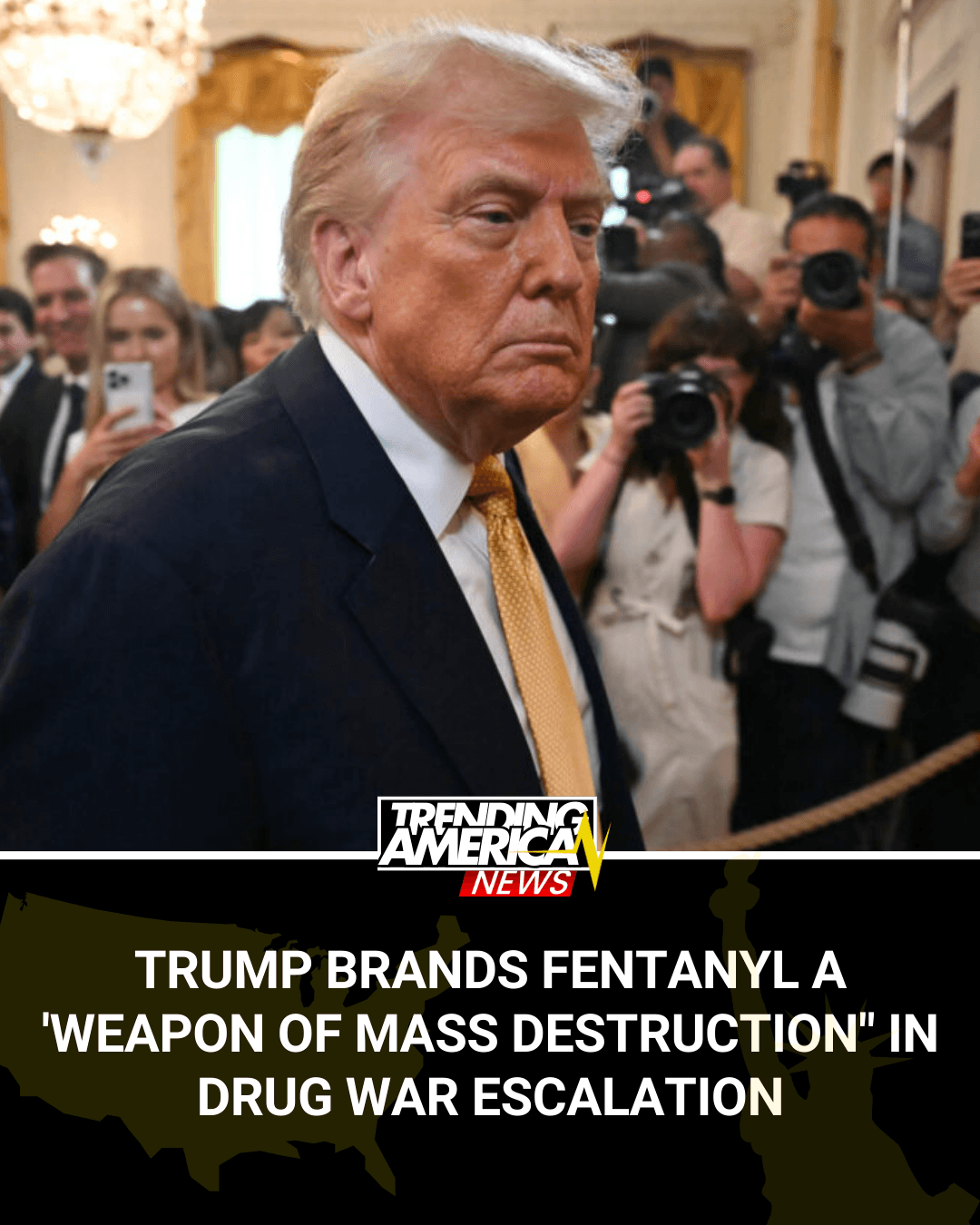
In a sweeping move from the White House, President Donald Trump has declared illicit fentanyl a weapon of mass destruction, designating it as a potential chemical weapon and expanding federal authorities to counter its production and distribution. The executive action is the latest step in a broader effort to fracture the networks behind fentanyl trafficking and, more controversially, to frame drug cartels as foreign threats deserving heightened powers and, in some cases, military-style responses. The White House frames the designation as a necessary, decisive tool to curb overdoses and break the criminal networks that drive the fentanyl supply across borders and into American communities.
The decision is designed to give federal agencies a wider toolkit—from enhanced intercept capabilities to expanded powers to sanction, disrupt, and prosecute those involved in fentanyl production and distribution. It also dovetails with a broader policy push to classify major drug cartels as foreign terrorist organizations, a move supporters say would enable more aggressive actions against suspected trafficking vessels in the Caribbean and Pacific regions.
Supporters of the move argue it signals resolve and national-security urgency, arguing that fentanyl trafficking poses a grave and rapidly evolving threat to lives and public safety. They emphasize the need for swift, coordinated action against criminal networks that operate across international borders, leveraging existing and new powers to choke supply chains.
Critics, however, warn that treating fentanyl as a weapon of mass destruction risks militarizing drug policy in ways that could divert scarce resources from public health, addiction treatment, and harm-reduction programs. They caution that creating a WMD label for a synthetic opioid may not map cleanly onto how the drug is produced, distributed, or combat-tested, and could infringe on civil liberties under the banner of national security.
Experts have also raised concerns about the practical impact of the designation. Some drug-policy scholars argue that fentanyl is not typically deployed as a conventional weapon by terrorist groups or militaries, and worry that an overreliance on militarized tools could neglect structural drivers of the crisis, such as demand, treatment gaps, and the social determinants of health.
Beyond the designation itself, the administration’s broader policy moves include steps to escalate operations against suspected drug-transit vessels in strategic theaters, and to push for policy alignments that may broaden border and cross-border enforcement. Critics say such moves risk fueling civil-liberties concerns, potentially stretching public health funding thin and diverting attention from evidence-based approaches to prevention and treatment.
The White House has underscored that the WMD designation is a legal and strategic instrument designed to give federal authorities more options in response to a crisis that has intensified in recent years. The debate lands against a backdrop of ongoing disagreements over border policy, the reach of military tools in domestic law enforcement, and funding for addiction services, treatment access, and harm reduction.
Disclosure: We may earn a commission when you make a purchase through the ads.