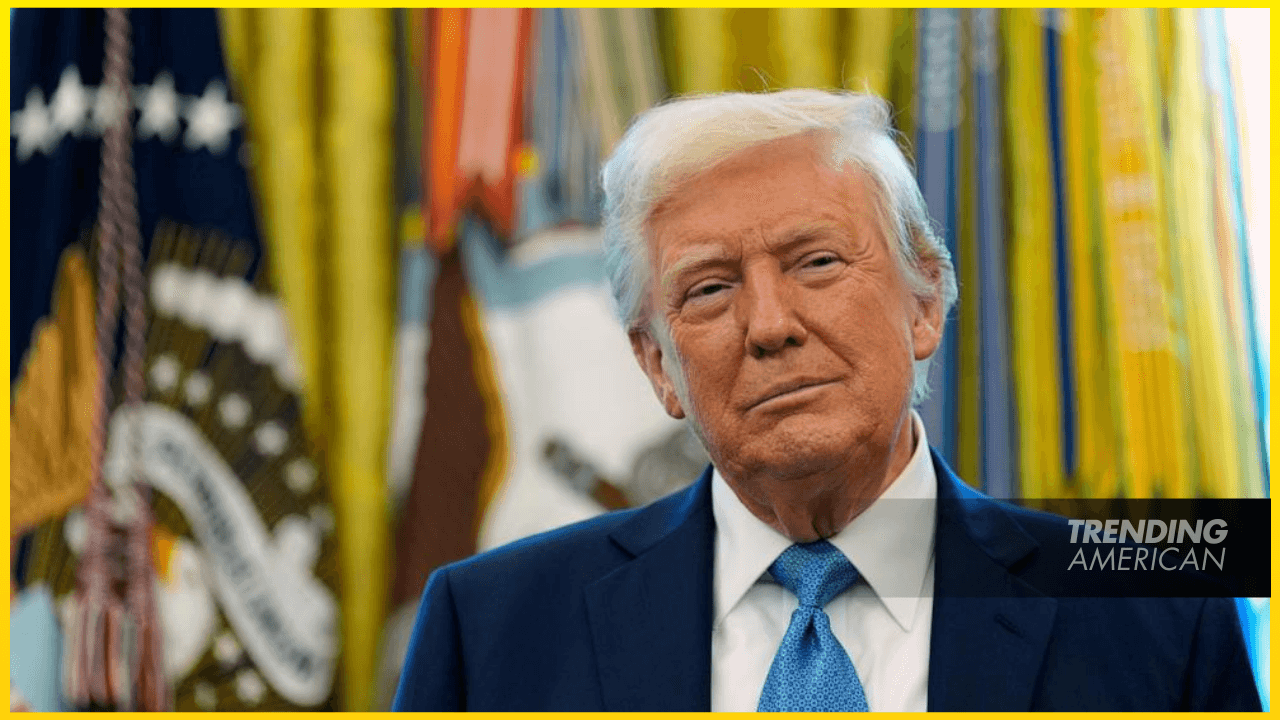
President Donald Trump pitched the economy as an “A+++++” on a Pennsylvania stage, a bold framing that stood in stark contrast to how many Americans describe their own financial reality. In the days surrounding his remarks, national coverage highlighted a widening gap between Trump’s upbeat spin and people’s lived experiences of inflation, higher grocery bills, and decisions about household budgets.
Trump’s public push followed a multi-month campaign schedule designed to bolster his party’s political fortunes ahead of upcoming elections. He has argued that his administration is repairing the mess left by his predecessors and is fighting every day to bring prices down, a messaging line that White House aides and surrogates amplified in talking-point memos reported by outlets such as NOTUS. At a Monday event previewing a $12 billion farmer bailout, Trump asserted that Democrats “caused the affordability problem and we are the ones that are fixing it”—a claim critics say ignores the broader inflation dynamics that have stretched household budgets.
Polling data cited by The Independent and other outlets underscore the disconnect. A Gallup tracking figure placed Trump at low approval levels, while a Politico survey found a majority of Americans—including a notable share of voters who backed Trump—saying the cost of living is worse than they can remember. In other words, many voters say prices are higher and their wallets are lighter even as the president frames the economy in terms of gains and policy fixes.
Several former officials and aides described the moment as a familiar pattern: political messaging attempting to outrun or outshine real-world conditions. One ex-official told The Independent that Trump’s road show resembles a similar approach by Joe Biden in the lead-up to his 2024 campaign and warned that “if people don’t feel that way, it’s really hard to make them change their mind.” Analysts noted that, despite tariff talk and fiscal maneuvers, prices have remained a central grievance for households.
The business of turning numbers into narratives—tariffs, subsidies, and price indices—has become a focal point of coverage from sources including The Independent and AP News via News10. Reporters describe a public climate where voters say they are paying more at the grocery store, gas station, and utility bills, while Trump, and his allies, press a contrasting frame of achievement and remedy.
In essence, these stories illuminate a broader tension in American politics: a rhythm of campaign messaging that aspires to present a thriving economy even as millions of voters experience affordability constraints firsthand. As coverage notes, the real question for voters—and for the political map ahead—may hinge less on the labels applied to the economy than on whether those labels align with daily lived economics.
Disclosure: We may earn a commission when you make a purchase through the ads.