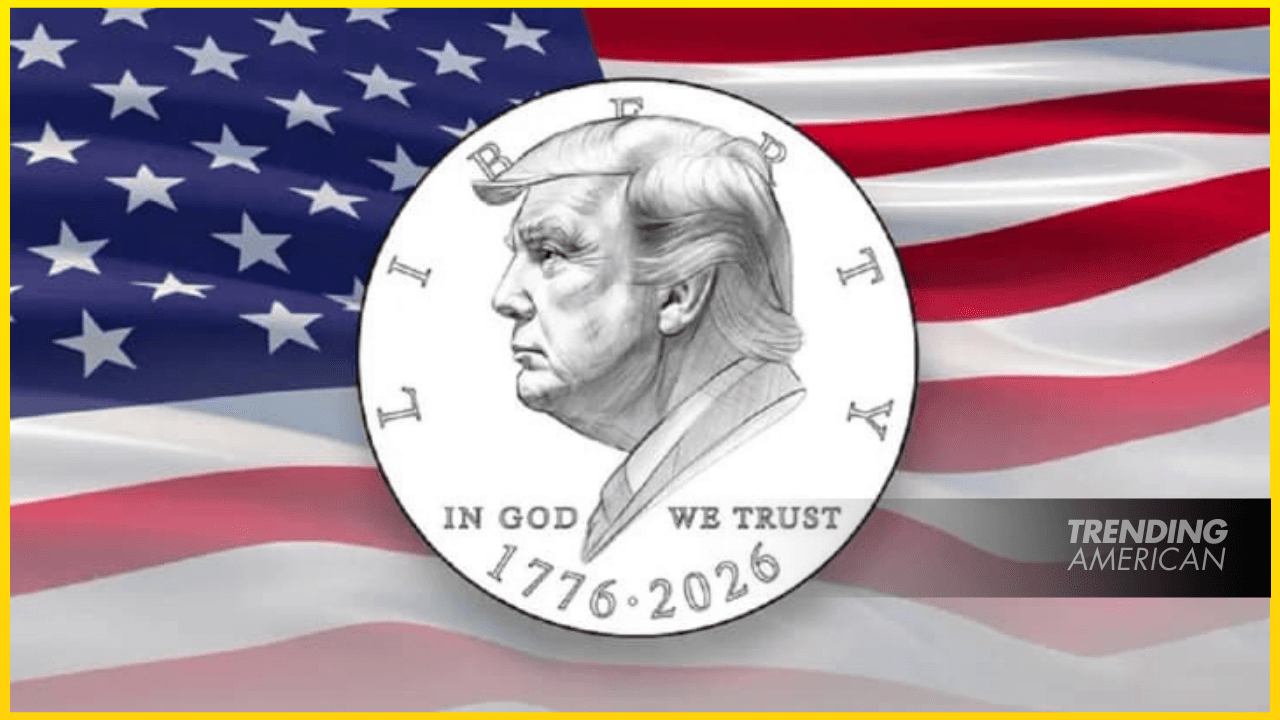
Capitol Hill, Washington — A pair of Democratic senators are spearheading a bid to keep U.S. currency free of living-political imagery. Sen. Jeff Merkley (D-OR) and Sen. Catherine Cortez Masto (D-NV) said they are introducing the Change Corruption Act, a bill that would block the Treasury Department and the U.S. Mint from producing coins that bear the image of Donald Trump or any living or sitting president. The measure, they say, is aimed at preserving the long-standing tradition that U.S. currency designs remain neutral and nonpartisan, even as political debates intensify around the appearance of presidents on coins and commemoratives.
The proposed legislation would prohibit the Treasury and Mint from minting coins bearing Trump’s likeness or any other living president, according to the sponsors. It would also clarify the authority of the agencies in determining which designs may appear on circulating currency. The bill’s supporters argue that currency should not serve as a political endorsement or tool for partisan messaging, especially amid a charged political climate and ongoing discussions about commemorative coin issues.
The Change Corruption Act frames the issue within a broader federal tradition of keeping currency design apolitical. Supporters point to existing laws that restrict presidential imagery on currency and say the act would reinforce that standard while addressing concerns about potential political manipulation through currency design. Opponents, meanwhile, may argue that the bill could constrain expressions of national history and memory through coinage.
The legislation targets two federal bodies best positioned to influence coin designs: the U.S. Treasury Department and the U.S. Mint. If enacted, the measure would prevent minting of any coins featuring Trump’s image or the image of living presidents, potentially affecting proposals for commemoratives or other design changes. The bill’s sponsors have signaled that the Change Corruption Act would apply broadly to future coin designs, not just those tied to specific political figures.
The timing of the proposal comes amid ongoing debates about how political imagery is used in government programs and in currency as part of a larger conversation about partisanship and policy integrity. Supporters cite concerns over political endorsements embedded in money, while critics warn of overreach and a chilling effect on the ability to recognize historical moments through currency design.
Public and expert reactions to the bill are expected to unfold in committee proceedings on Capitol Hill. Details about a potential timeline for markup or floor consideration were not immediately available, but the sponsors have indicated they intend to advance the measure as part of broader ethics and anti-corruption reforms.
Disclosure: We may earn a commission when you make a purchase through the ads.