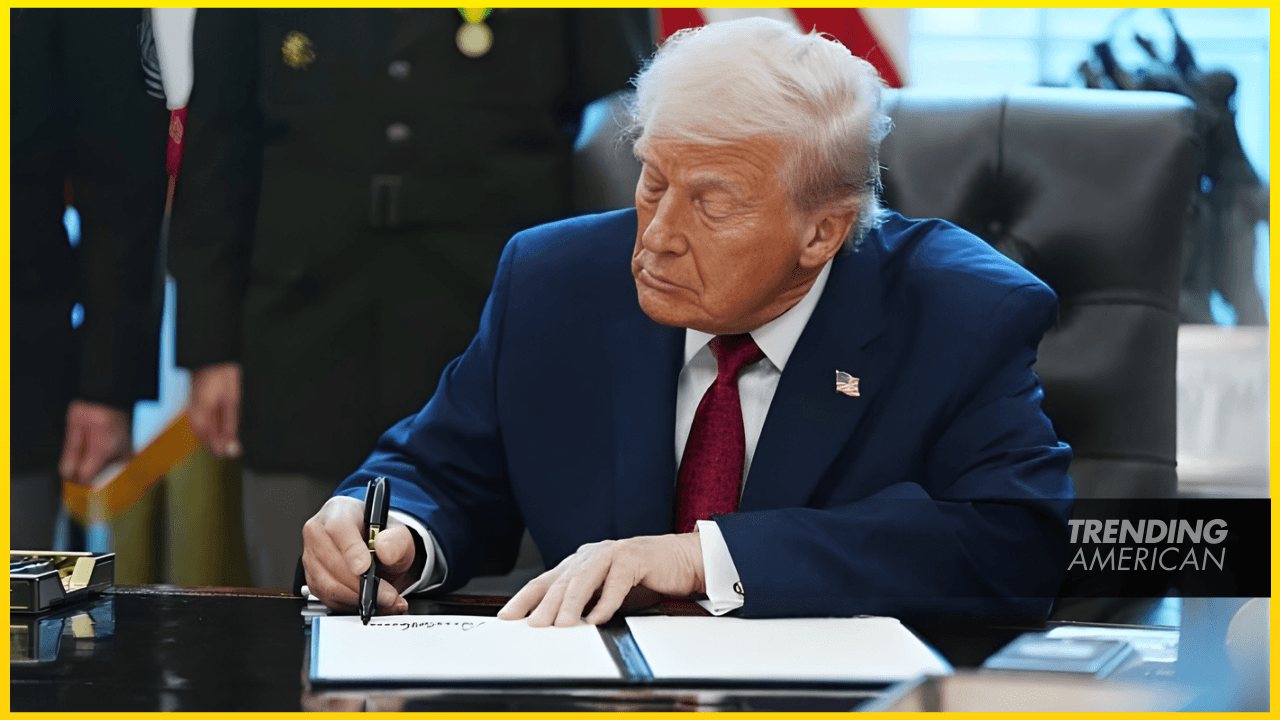
In Washington, D.C., on December 15, 2025, President Donald J. Trump signed an executive order designating illicit fentanyl as a weapon of mass destruction, framing it as a national-security response to a deadly opioid crisis.
The order designates illicit fentanyl as a WMD and directs key federal agencies—the Pentagon, the Justice Department, the State Department, the Treasury, and Homeland Security—to expand prosecutions, disrupt production and trafficking networks, and target the financial networks that sustain fentanyl supply chains. It also contemplates potential use of military resources to support law enforcement and directs intelligence agencies to treat fentanyl-smuggling networks with WMD-like scrutiny, aligning fentanyl networks with established WMD threat networks.
The action requires updated chemical-incident response plans and enhanced interagency coordination to monitor precursor chemicals, shipments, and distribution routes, improving interdiction at ports of entry and across borders. Officials say the designation aims to disrupt the entire fentanyl ecosystem—from production to distribution—while balancing public-health considerations and maintaining treatment and prevention resources.
Reaction across government and the policy community has been mixed: supporters say the move provides a sharper legal and logistical framework to shut down trafficking and financial networks; critics caution against conflating public-health opioids with weapons of mass destruction and call for careful oversight and public-health investments. The White House characterized the action as part of a broader national-security strategy and directed the agencies to implement the measures outlined in the executive order.
Disclosure: We may earn a commission when you make a purchase through the ads.