On December 1, 2025, President Donald Trump appeared aboard Air Force One and argued for an indefinite pause on asylum decisions as part of a sweeping asylum freeze. He framed the move as a necessary step to tighten U.S. immigration controls in response to a deadly incident in Washington, D.C., tied to an Afghan national. Trump told reporters that the pause could last a long time as his administration reviews and tightens vetting procedures, with the aim of baring entry to certain regions until the system is more secure.
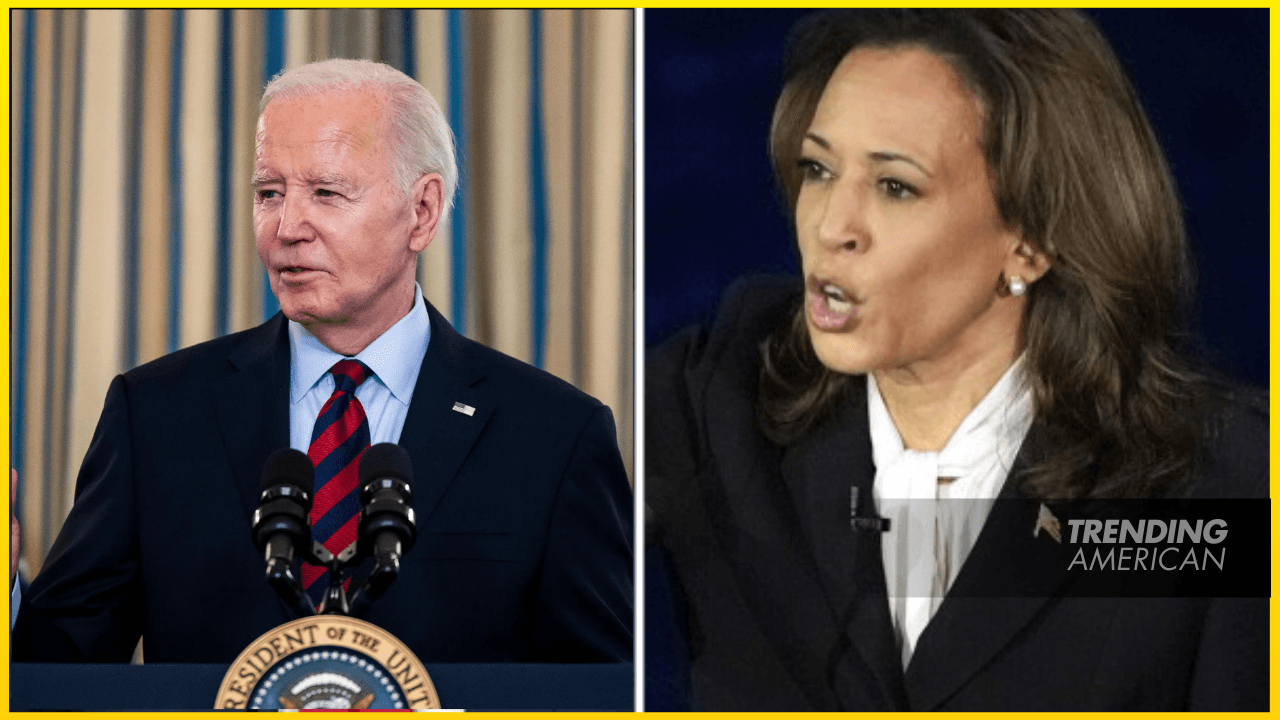
The president connected the policy shift to the National Guard shooting in the capital, saying that lax vetting presents real safety risks. He asserted that immediate asylum processing no longer serves national security interests and claimed that the Biden-Harris administration bears responsibility for the vetting failures that allowed dangerous individuals to slip through the cracks.
In the public briefing, Trump named Rahmanullah Lakanwal, an Afghan asylum seeker identified in coverage of the incident, as part of the broader context for why new screening measures are being considered. The White House has framed the action as a temporary step while the government strengthens checks on who may enter the country.
Reaction from Democrats and U.S. Homeland Security leadership has been swift. Coverage has cited DHS officials and leadership critical of Biden-era vetting, arguing that the previous administration allowed security gaps. Critics warn that prolonged pauses could create uncertainty for applicants and humanitarian concerns while supporters say the move is essential for border security.
The broader political dynamic centers on whether stricter controls will secure borders without trapping refugees in limbo. The government continues to pursue a policy of tighter asylum access while arguing that the prior era’s vetting was insufficient, a claim cited in multiple outlets following the incident.
Disclosure: We may earn a commission when you make a purchase through the ads.