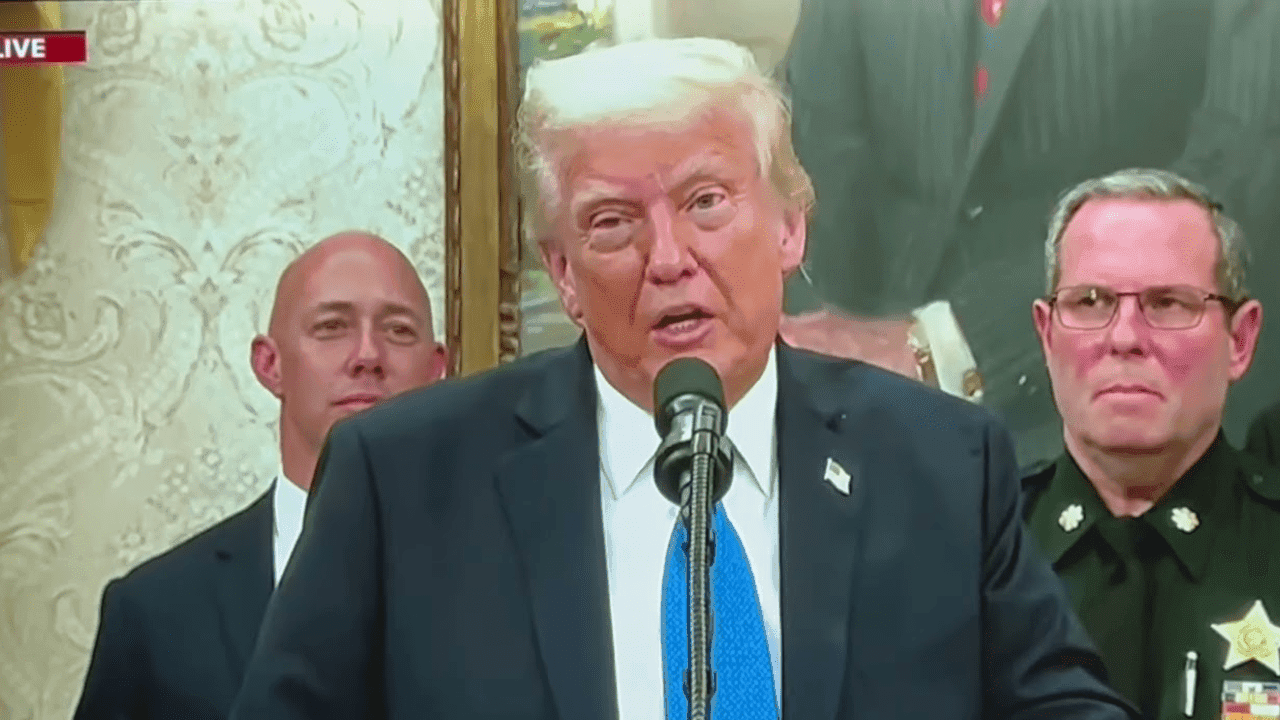
In a recent controversial statement, President Donald Trump insinuated that President Joe Biden’s prostate cancer diagnosis was concealed from the public. This claim, unsubstantiated and speculative, comes amidst Trump’s ongoing campaign and frequent criticism of Biden’s administration.
Trump, known for his confrontational rhetoric and bold assertions, delivered the comments during a rally, stirring the pot of political discourse with allegations that echo his familiar style of questioning the transparency and fitness of his political opponents.
The timing of Trump’s remarks coincides with increased scrutiny on the health and age of American leaders, an issue that has been prevalent in both political commentary and public concern. Medical privacy and the right for candidates to privacy versus public disclosure have long been topics of intense debate in American politics.
While there are no confirmed reports from medical authorities or statements from President Biden regarding prostate cancer, Trump’s allegations have nonetheless gained traction in public conversations, with his supporters using it as evidence to question Biden’s capability to govern.
Media outlets have sought comments from Biden’s representatives and medical professionals, but there has been no official acknowledgment or refutation from Biden’s camp.
Despite the lack of concrete evidence, the ripple effect from Trump’s accusations is significant. Analysts suggest these tactics are designed to rally his base and detract from his own ongoing legal challenges.
Historically, health issues of presidents and candidates have played pivotal roles in shaping public perception and election outcomes. The discussion opens up about the extent to which personal health should influence electability in public consciousness.
This recent development, whether substantiated in the future or refuted, is likely to continue as a point of contention and a tool within the political arsenal, highlighting the intricate interplay between health, privacy, and public office holding.