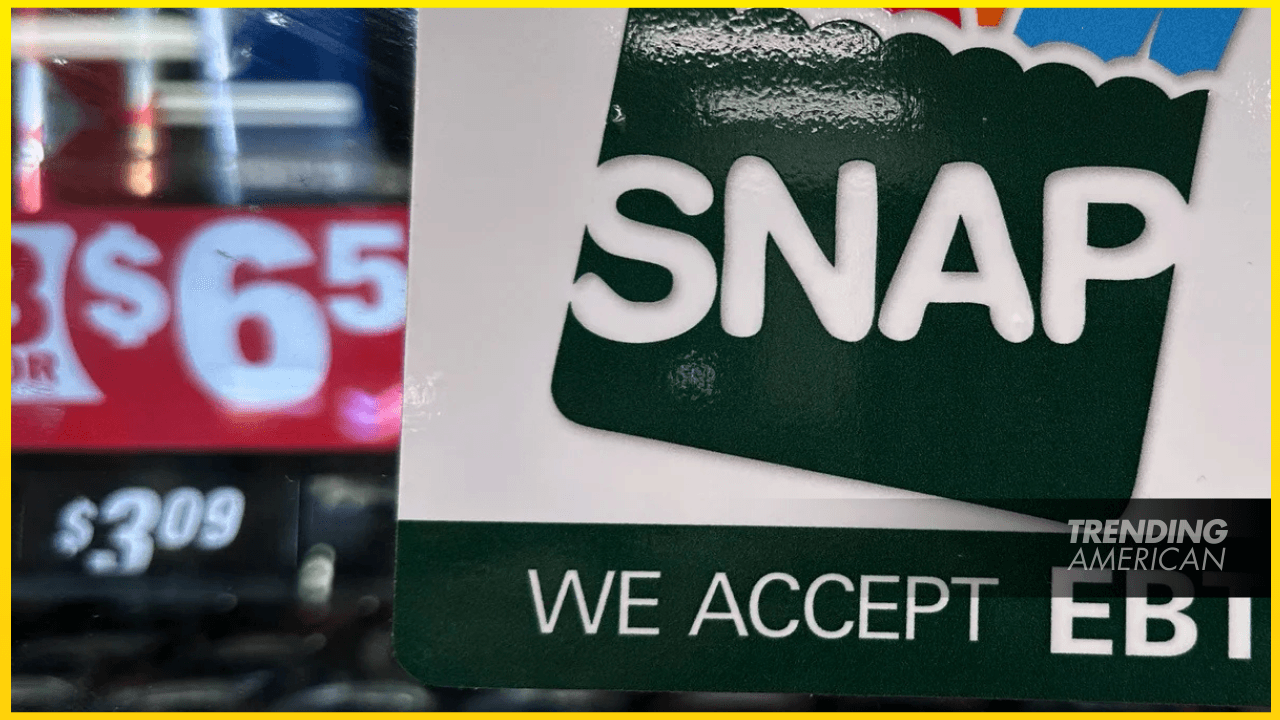
Washington, D.C. — In a move that escalates tensions over SNAP, the Trump administration announced that it could begin withholding administrative funds from Democratic-led states that refuse to share recipient data with the federal government. Agriculture Secretary Brooke Rollins and other senior USDA officials framed the plan as a crucial step to root out fraud and safeguard federal dollars, a claim critics say ignores the real-world consequences for families who rely on food assistance.
The administration singled out blue states such as California, New York, and Minnesota, arguing that tighter data-sharing would help close gaps that enable improper payments. The plan could begin as soon as the following week, with penalties potentially applied to SNAP management funds rather than outright cuts to benefits, according to officials familiar with the policy discussions.
States resisting the data request have argued that sharing recipient information raises privacy concerns and could expose families to greater scrutiny. Governors and lawmakers in California and New York have questioned the legality and ethics of forcing data-sharing as a condition for essential aid. In Minnesota, advocates warned that delays or disruptions could undermine families’ ability to cover groceries, heat, and school meals.
Advocates and anti-poverty groups say the move weaponizes hunger, arguing that the bureaucratic maneuver could disrupt critical support for vulnerable SNAP users, particularly children, seniors, and adults living on a tight budget. They call for transparent criteria on what data would be shared, stronger privacy protections, and alternatives to punitive action against states to ensure continued access to benefits.
Farmers markets, food banks, and caseworkers are preparing for possible disruption. In Oakland, a local mother, Maria, checks her SNAP balance app and finds a troubling notification: the federal government might pause or reduce funds if her state does not provide the requested data. She worries about meals for her two kids if funds dry up before the month ends; caseworkers say similar concerns echo across California, New York, and Minnesota.
Nationwide, critics point to the broader political reverberations of tying food aid to data-sharing politics. They fear the policy could widen disparities between states that have robust social safety nets and those with limited capacity to implement new reporting requirements. Supporters say the plan would bring greater accountability and protect taxpayers by ensuring benefits go to eligible households.
The debate is heating up in Washington as lawmakers, advocates, and families await more details on timing, privacy safeguards, and enforcement. The coming days will reveal whether the administration can reconcile its fraud-detection goals with the practical needs of millions who depend on SNAP to feed their families.
Disclosure: We may earn a commission when you make a purchase through the ads.