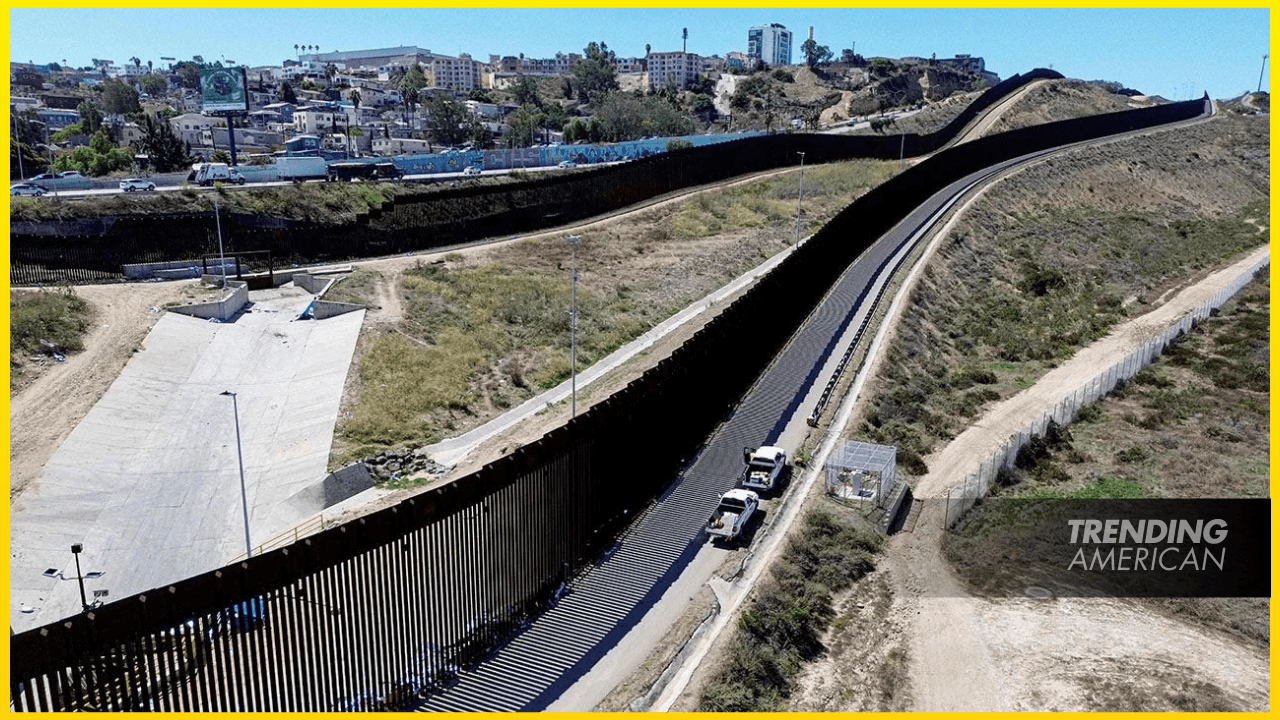
In December 2025, the Interior Department announced that a large stretch of California’s border with Mexico would be designated a militarized zone, with jurisdiction transferred to the U.S. Navy to back up border security operations. The zone extends from the Arizona state line to the Otay Mountain Wilderness, passing through the Imperial Valley and border communities including Tecate. Under this designation, troops are authorized to operate on or near military bases to apprehend migrants and others trespassing, and the policy allows enhanced criminal charges for violators.
The relocation of authority is part of the administration’s effort to strengthen border security and address what officials describe as long-standing security gaps along the border. U.S. officials say more than 7,000 troops have been deployed to the border, supported by helicopters, drones and an array of surveillance technologies as part of a broader deterrence and enforcement approach.
Supporters argue that the militarized zone closes security gaps, protects public lands and helps enforce immigration policy. Critics, however, warn of civil-liberties risks, potential abuses of power, and the constitutionality of military enforcement on U.S. soil. Legal experts cited in reporting have pointed to longstanding limits on domestic military activity and questions about due process and accountability should the new authority be used aggressively.
The designation places permanent military presence in Imperial Valley communities such as Tecate, raising questions about daily life for residents, local businesses and migrants. Proponents say security and rapid response capabilities will improve, while opponents fear harassment, traffic disruptions and a chilling effect on asylum-seekers and migrants.
A related development in December saw a federal judge order the Trump administration to end the deployment of California National Guard troops in Los Angeles and to return control of those troops to the state, underscoring the ongoing legal tensions surrounding domestic military involvement in border enforcement.
Disclosure: We may earn a commission when you make a purchase through the ads.