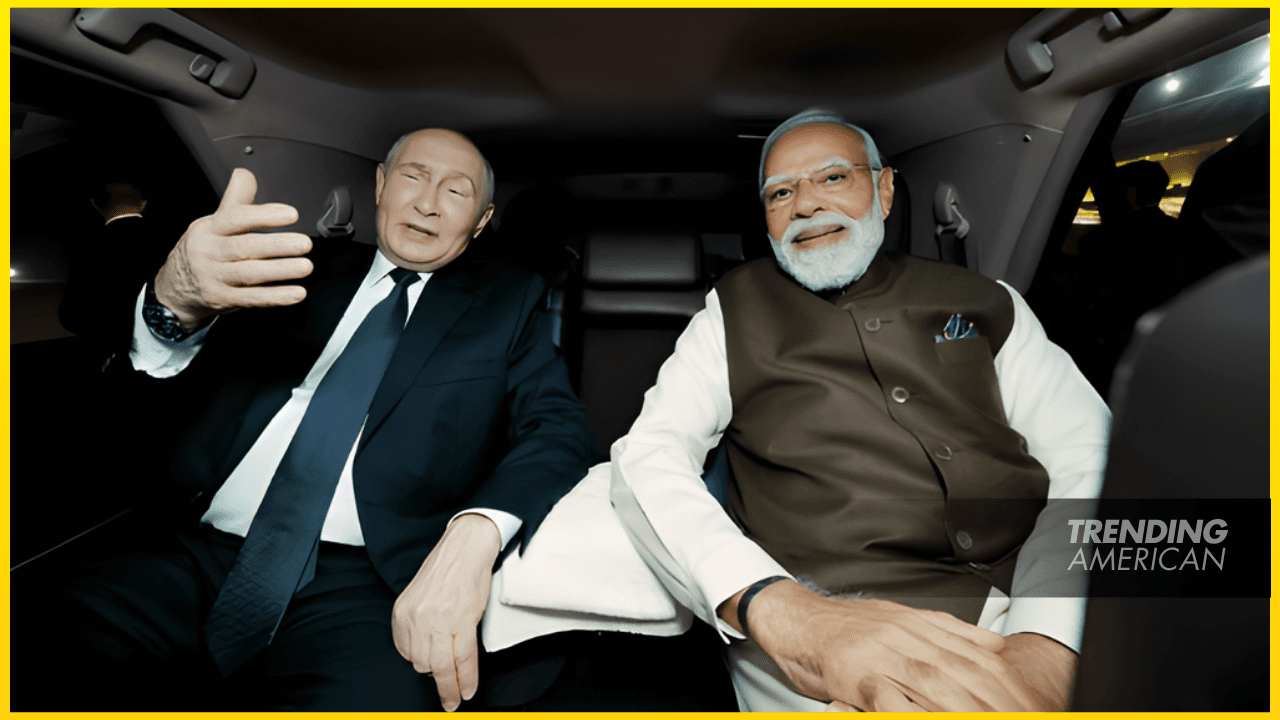
A viral image of Indian Prime Minister Narendra Modi and Russian President Vladimir Putin has re-emerged as a focal point in a US congressional hearing on the future of the US-India strategic partnership. On the agenda was The US-India Strategic Partnership: Securing a Free and Open Indo-Pacific, a hearing held by the US House Foreign Affairs Subcommittee on South and Central Asia in Washington, D.C. The session examined how policy shifts—especially under the Trump-era administration—and ongoing trade frictions may affect the trajectory of cooperation between the two democracies.
Representative Sydney Kamlager-Dove grabbed the moment by invoking the selfie as a concise summary of the broader dynamics at play. She called the poster “worth a thousand words,” arguing that leadership decisions in Washington and the policies tied to them have the potential to damage, rather than strengthen, the US-India partnership. Representative Pramila Jayapal joined the conversation with concerns about tariffs and immigration policies that she said could undermine trust and collaboration between the two nations.
Beyond the image, the hearing placed the US-India relationship in the context of disputes over trade and market access. Lawmakers discussed tariffs on Indian goods and the possibility of new tariffs on rice, as well as broader questions about visa rules and immigration. The discussion framed the partnership through a lens of strategic competition in the Indo-Pacific, underscoring how economic policy choices can ripple into alliance-building and regional alignments.
The moment’s symbolism reflects a continuing tension in US-India relations: policymakers want closer cooperation on strategic and security goals while also addressing domestic economic concerns that influence how India positions itself on the world stage. The hearing reinforced that diplomacy in this era hinges not on slogans alone but on concrete policy choices with tangible consequences for trade, visa regimes, and strategic alignment.
The event took place in Washington, D.C., brought into sharp relief by a viral image that many observers had hoped would become a neutral meme rather than a banner for political debate. It served as a visual shorthand for a partnership under scrutiny—one that lawmakers insist must be safeguarded and reinvigorated through targeted policy and sustained dialogue.
Disclosure: We may earn a commission when you make a purchase through the ads.