At exactly 2:46 PM on March 11, 2011, a massive fault line 24 kilometers beneath the Pacific Ocean ruptured.
The magnitude 9.0 Tōhoku earthquake violently lurched a 280-mile block of the Earth’s crust nearly 80 feet to the east. For five agonizing minutes, the ground across northeastern Japan heaved and fractured.
In the coastal fishing town of Minamisanriku, the violent shaking was only the beginning. The real terror was silently building out at sea.
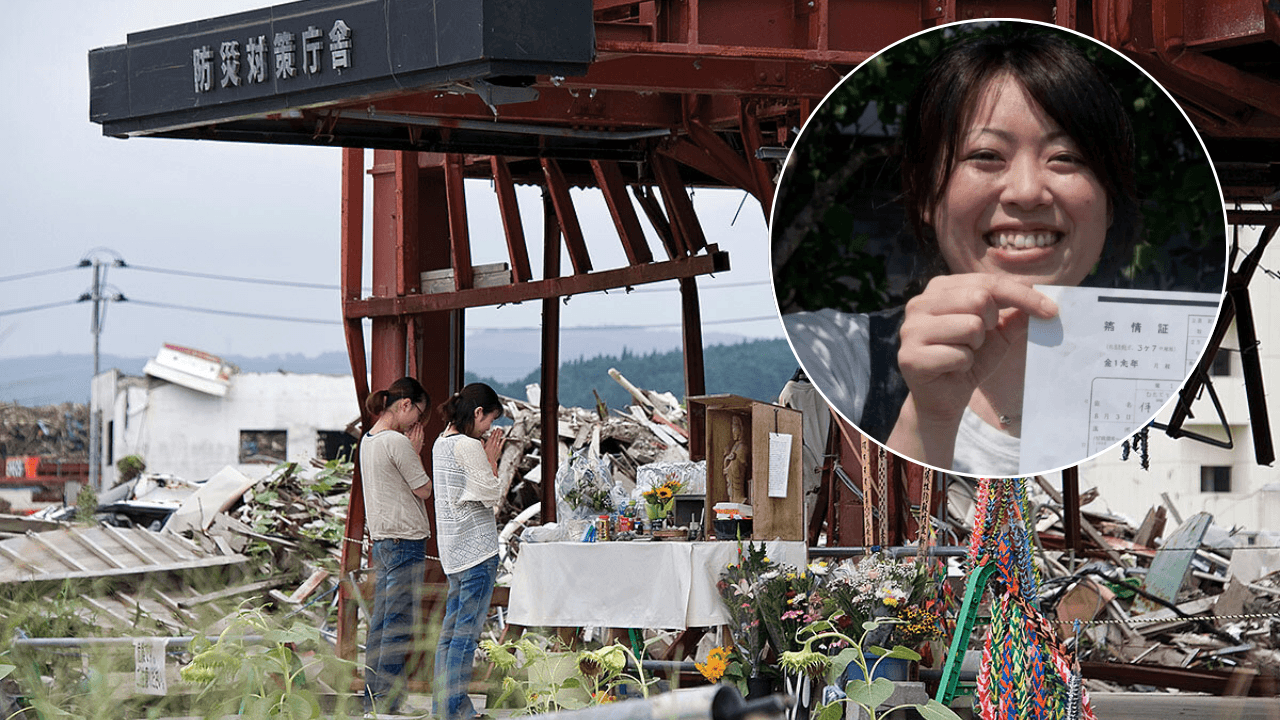
Inside the town’s three-story Crisis Management Department, 24-year-old Miki Endo took her seat at the broadcast desk. She picked up the microphone, completely unaware that she would never set it down.
The Background: Who Was Miki Endo?
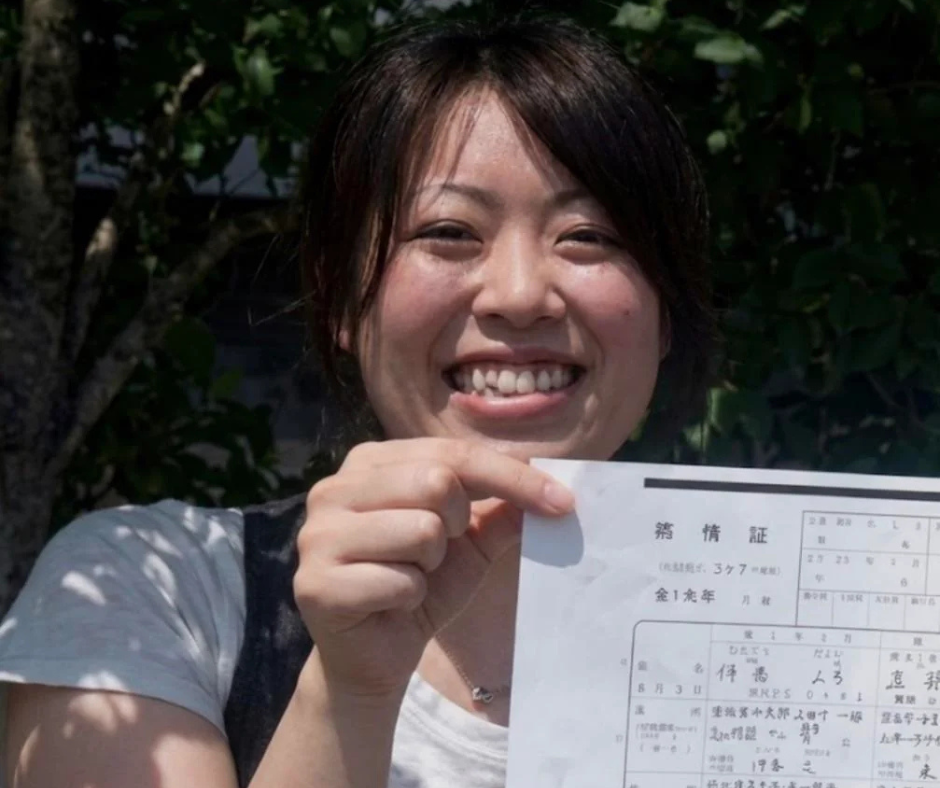
Born on July 18, 1986, Miki Endo was a bright, deeply responsible 24-year-old woman with her entire life ahead of her.
She had just tied the knot a few months prior to the disaster. As a newlywed, she was busy building a life with her husband while dedicating herself to public service.
Her mother, Mieko Endo, later noted that Miki took her civic duties incredibly seriously. As an employee of Minamisanriku’s Crisis Management Department, her primary role was to operate the town’s disaster early warning system.
It was a heavy responsibility for someone so young. The town relied heavily on a network of community loudspeakers to alert its 17,700 residents of incoming threats from the volatile Pacific Ocean.
The Incident: An Abnormal Tide
When the earthquake struck, power grids failed, and dust choked the air inside the disaster center.
Backup generators immediately powered up the vital communication arrays. Reports from the Japanese Meteorological Agency began flashing across the screens, and the data was terrifying.
The violent upward thrust of the seafloor had displaced unimaginable millions of tons of water. A mega-tsunami was hurtling toward the Miyagi Prefecture coastline at the speed of a jet airliner.
Minamisanriku sat at the edge of a deep coastal inlet. This specific geography acted as a massive funnel, guaranteed to amplify the height and crushing force of the incoming waves.
The Rescue Attempt: 30 Minutes of Courage
Gripping the microphone, Miki Endo activated the town’s external loudspeaker system.
“A 6-meter tsunami is expected,” her voice echoed across the panicked streets and hillsides. “It’s an abnormal tide, please go to a safe place.”
She repeated these urgent instructions relentlessly. As the minutes ticked by and the estimated wave height was revised upward, her voice remained steady but increasingly urgent.
For nearly 30 agonizing minutes, Endo refused to abandon her post on the second floor. Survivors later testified that her continuous, unwavering broadcasts broke through the chaos, convincing thousands of hesitant residents to sprint for higher ground.+1
Finally, as the black water became visible on the horizon, her superiors ordered an immediate evacuation to the roof.
The Tragic Outcome: The Rooftop
By the time Endo dropped the microphone to flee, it was too late.
The ocean retreated rapidly, exposing the harbor floor, before a devastating 50-foot (15-meter) wall of water slammed into Minamisanriku. The wave obliterated the concrete seawalls and effortlessly crushed wood-frame houses into splinters.
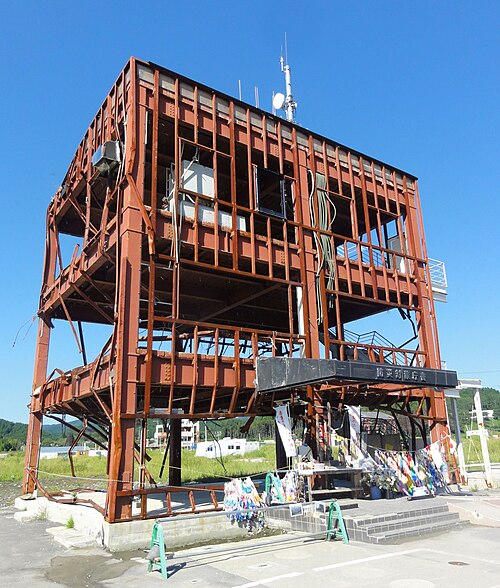
Approximately 40 municipal workers scrambled to the roof of the three-story disaster readiness center. However, the sheer volume of the tsunami completely submerged the entire building.
The freezing, debris-filled water swept away dozens of people in an instant. Only 11 individuals—including the town’s mayor, Jin Sato—survived by desperately clinging to the building’s steel rooftop radio antenna underwater for several minutes.
Miki Endo was not among them.
Conclusion
The 2011 Tōhoku tsunami eradicated the town of Minamisanriku, but thanks to Miki Endo’s relentless 30-minute broadcast, more than half the population successfully evacuated and survived.
Her body was not recovered and identified by authorities until April 23, 2011, over a month after the disaster. Today, the three-story disaster management center has been entirely gutted by the ocean, leaving only a haunting, red-colored steel skeleton standing in the valley.+1
Despite debates over demolishing the structure due to the painful memories it evokes, the skeletal frame remains preserved as a stark monument. It stands as a permanent, physical testament to the apocalyptic power of the ocean, and the ultimate, selfless sacrifice of the young woman who traded her life to save her town.