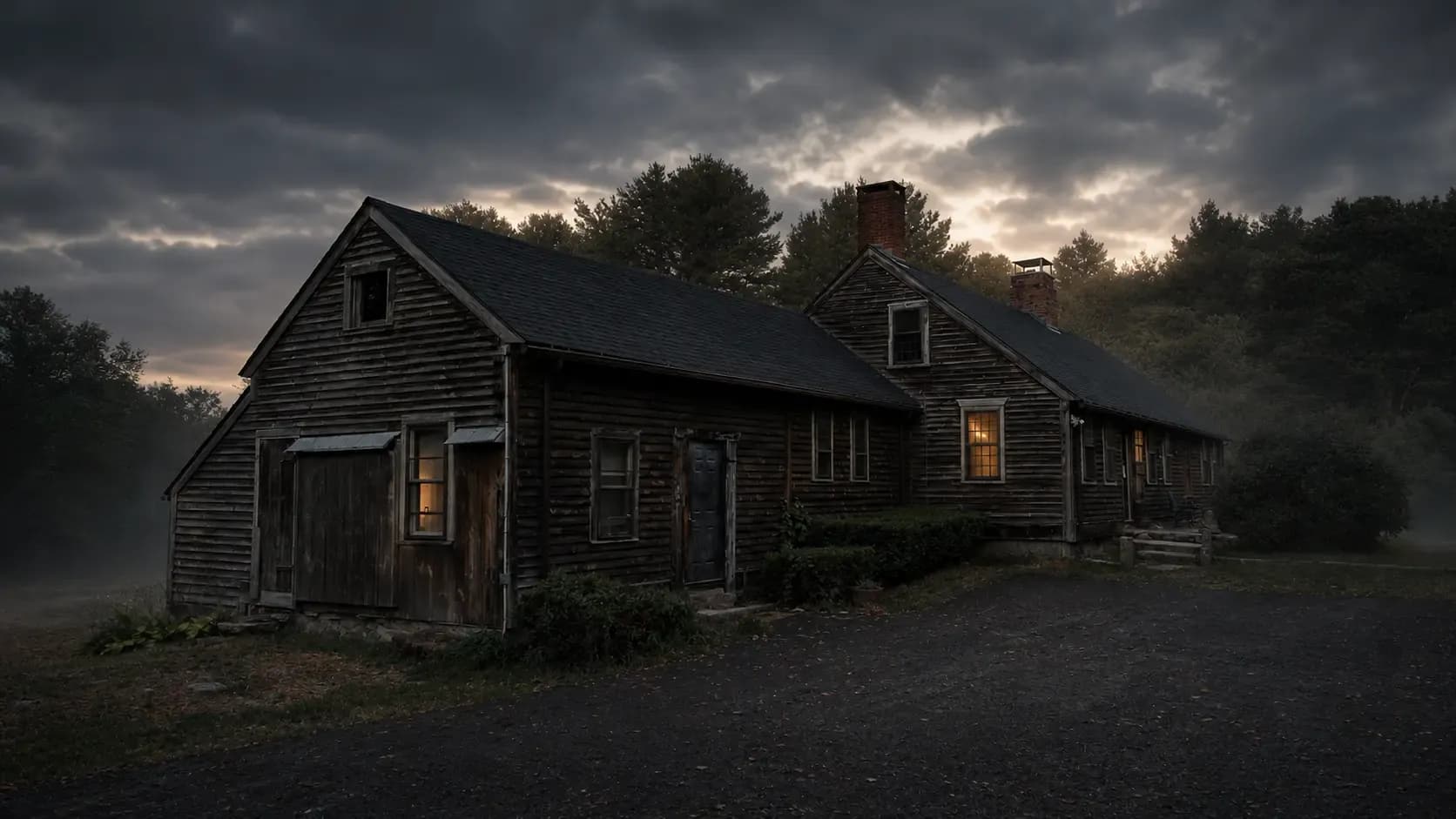
At the edge of a wooded road in Burrillville, Rhode Island, stands a weathered farmhouse with an extraordinary reputation. The property is commonly called The Conjuring House, although earlier residents knew it as the Old Arnold Estate.
The house became internationally famous after the 2013 movie The Conjuring. The film transformed one family’s paranormal claims into a terrifying story of possession, witchcraft, and demonic violence.
There is a real house and a real Perron family behind the movie. The family also reported frightening experiences while living there. However, the evidence supporting the movie’s darkest claims is far less certain.
The result is a place where colonial history, family testimony, paranormal belief, and Hollywood fiction have become almost impossible to separate.
Creep Factor Score: 8.8/10
Rating: Nightmare Fuel
| Historical Darkness | 6.5/10 |
| Paranormal Reputation | 9.5/10 |
| Atmosphere | 9/10 |
| Horror Fame | 10/10 |
| Visitor Experience | 8/10 |
How We Calculated This Score
This editorial Creep Factor Score reflects the farmhouse’s exceptional horror fame, isolated atmosphere, enduring witness reports, and paranormal tourism appeal. Its Historical Darkness score is lower because the movie’s most disturbing claims are not supported by available records.
Why Is The Conjuring House Famous?
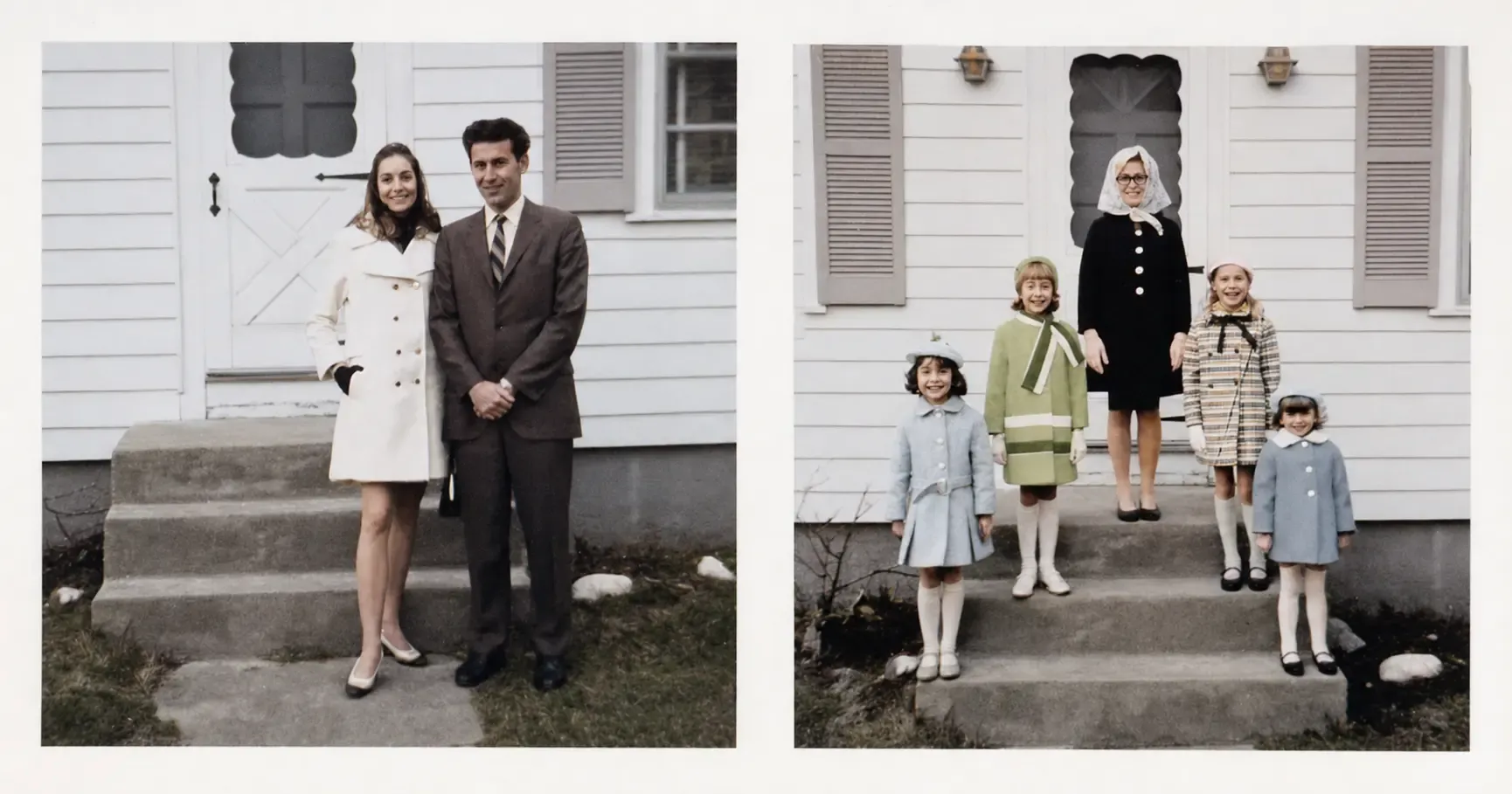
The Conjuring House is famous because Roger and Carolyn Perron said their family encountered unexplained activity there during the 1970s. Their five daughters also described apparitions, strange sounds, moving objects, and unsettling encounters.
Paranormal investigators Ed and Lorraine Warren became involved with the family. The Warrens later discussed the case publicly, helping it gain recognition among people interested in hauntings.
Andrea Perron, the family’s eldest daughter, eventually recorded her memories in the House of Darkness House of Light book series. Hollywood adapted elements of the case for The Conjuring, directed by James Wan.
The movie did not use the actual Rhode Island farmhouse as its principal filming location. Production took place largely in North Carolina. Still, the real house became a destination for fans after the movie opened in July 2013.
That attention created serious problems for its private owners. In 2015, the homeowners sued Warner Bros. after reporting trespassers, threats, and unwanted visitors.
The Story Behind The Legend
The farmhouse stands in Harrisville, a village within the town of Burrillville. The attraction’s history identifies it as a colonial house completed around 1736. It is also called the Richardson-Arnold House and the Old Arnold Estate.
The property passed through several local families, including the Richardsons, Arnolds, Butterworths, and Kenyons. The structure, stone walls, fields, river, and surrounding woods create the isolated New England atmosphere that visitors now associate with its legend.
Roger and Carolyn Perron purchased the farm in December 1970. They moved into it with Andrea, Nancy, Christine, Cindy, and April in January 1971.
According to Andrea, unusual events began almost immediately. Family members reported missing objects, unexplained noises, cold areas, unpleasant smells, and apparitions. Some alleged spirits seemed harmless. Others appeared threatening.
Carolyn reportedly experienced the worst activity. The story eventually centered on a woman named Bathsheba Sherman, who lived elsewhere in the region during the 1800s.
In later versions of the legend, Bathsheba became a suspected witch who murdered an infant and cursed anyone living on the farm. The movie pushed this idea much further. Its Bathsheba is a Satan worshipper who sacrifices her child, hangs herself, possesses Carolyn, and tries to make her kill her daughters.
Historical records do not establish that story. Research examining census material, newspaper reports, family records, and cemetery information found no verified evidence that Bathsheba practiced witchcraft or murdered a child.
Bathsheba was born Bathsheba Thayer in 1814. She married Judson Sherman, raised a family, and died in 1885. Available records indicate that sudden paralysis, possibly a stroke, caused her death. She did not hang herself from a tree at the Perron farmhouse.
A detailed investigation into the legend also found that Bathsheba was not an Arnold family member and did not live in the house. The accusations against her appeared long after her death.
When the Warrens Arrived
Ed and Lorraine Warren visited the farmhouse during the Perrons’ residency. Lorraine said she sensed a hostile female presence that hated Carolyn.
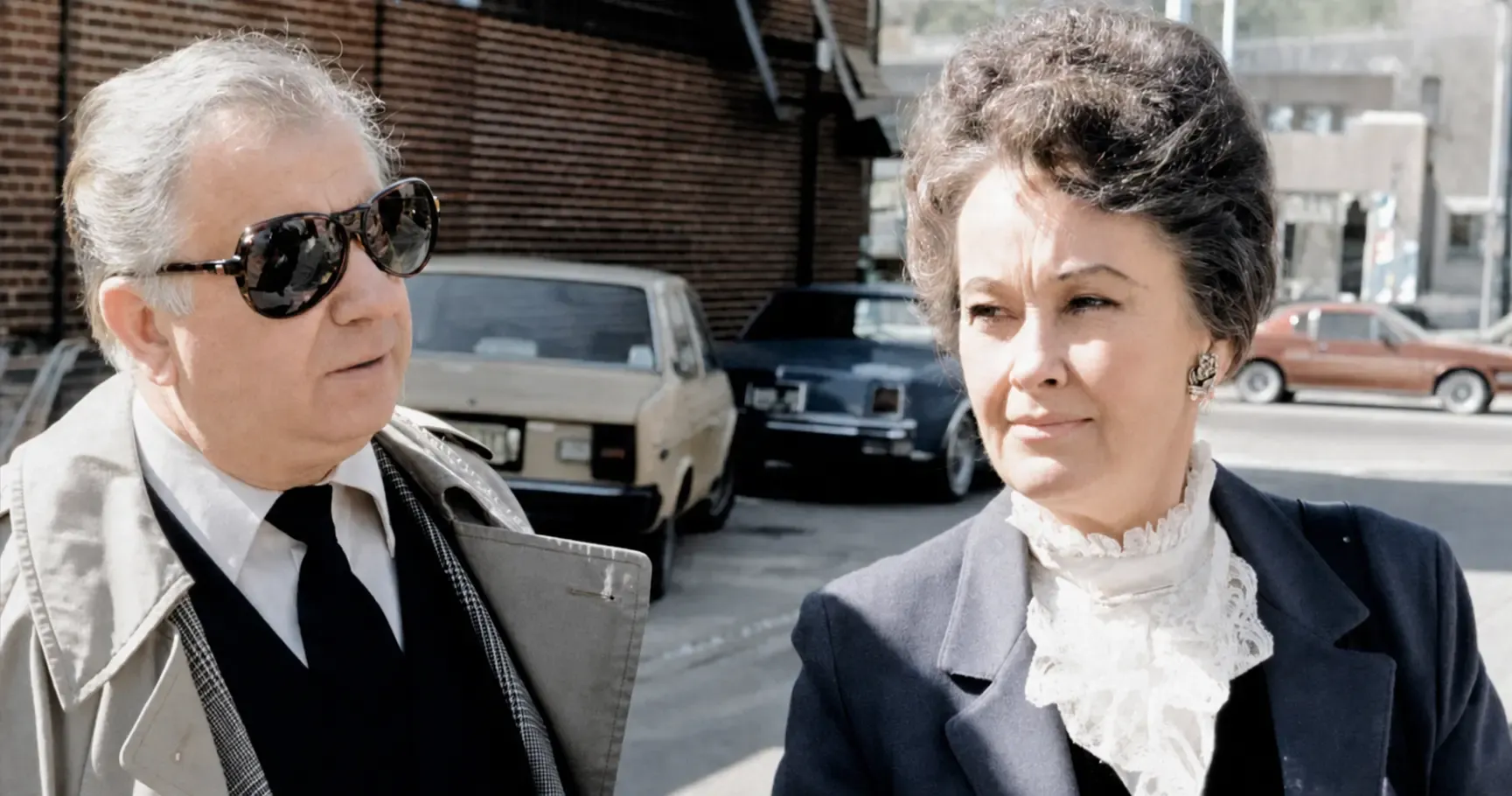
Accounts differ about exactly how the investigators became involved. The film shows Carolyn seeking their help. Andrea Perron’s version says the Warrens arrived after learning about the case through other people.
The real investigation also did not end with the dramatic exorcism shown in the movie. Andrea described a séance during which her mother appeared to speak in another voice and was thrown from her chair. Roger Perron then ordered the Warrens to leave.
No priest performed an exorcism at the house. Carolyn did not chase her children through a cellar with an ax, and the family did not escape immediately after the Warrens intervened.
The Perrons remained at the farm until June 1980. Financial limitations reportedly prevented an earlier move. The property changed hands again before Norma Sutcliffe and Gerald Helfrich purchased it in 1987.
Sutcliffe lived there for decades without reporting the extreme demonic activity portrayed on screen. She acknowledged occasional sounds or vibrations but believed natural causes could explain them.
Why People Think It Is Haunted
The Perron family’s testimony remains the foundation of the haunting. Different family members reported seeing full-bodied figures, including a woman with a damaged or hanging neck. They also described voices, footsteps, beds moving, and physical contact from unseen sources.
Later investigators claimed to hear knocks, capture electronic voice phenomena, and observe doors moving without visible help. Former owner Cory Heinzen reported footsteps, opening doors, voices, and a dark mist after buying the property in 2019.
These reports are witness claims, not independently proven supernatural events. An old farmhouse can produce drafts, shifting floors, pipe noises, animal activity, and changing air pressure. Expectation can also shape how visitors interpret ordinary sounds in a famous haunted location.
The house nevertheless has an unusual advantage over many paranormal legends: the central witnesses have consistently maintained that they experienced something there. Their sincerity does not prove a supernatural cause, but it helps explain why the story has endured.
Fact Vs Fiction
Some stories about The Conjuring House come from documented history. Others grew through family testimony, folklore, or Hollywood dramatization.
The Perron family lived in the farmhouse from 1971 until 1980. Fact.
Fact: Ed and Lorraine Warren investigated the family’s reported paranormal experiences.
Historical records do not support claims that Bathsheba Sherman was a witch or murdered an infant. Fiction.
Fiction: Bathsheba did not hang herself from a tree at the farmhouse.
Hollywood invented the movie’s exorcism and attempted child murder. Fiction.
Can You Visit The Conjuring House Today?
The farmhouse has operated as a paranormal tourism attraction rather than an ordinary private residence. Its published offerings have included guided history tours, extended tours with ghost-hunting equipment, investigations, and overnight experiences.
The property’s official information says advance reservations are required. Unregistered visitors cannot enter the grounds merely to photograph the house. The attraction also warns that cameras monitor the property and that trespassers may be prosecuted.
Published tour information for The Conjuring House lists uneven floors, steep stairs, and varied outdoor terrain. Photography may be restricted during tours, while video, audio recording, drones, and livestreaming can be prohibited.
Ownership and operations entered a complicated period after financial and legal disputes developed in 2025. Updated Burrillville land records reported in July 2026 identified Ghost Hunters investigator Jason Hawes as the legal owner, although related court cases remained pending.
Because the ownership transition may affect schedules, prices, and available experiences, visitors should confirm current operations before making travel plans. Never stop along Round Top Road or enter the property without a reservation.
Is The Conjuring House Worth Visiting?
The house is most rewarding for horror fans, paranormal enthusiasts, and travelers interested in how folklore becomes popular culture. Its rural setting and recognizable exterior offer an atmosphere that a movie set cannot reproduce.
History lovers should approach some tour narratives carefully. The property’s official account presents paranormal activity as real, while historical research challenges important parts of the Bathsheba story. Reading both perspectives makes the visit more meaningful.
Visitors should not expect a guaranteed ghost encounter. What they will find is a real farmhouse at the center of a remarkable American legend.
The house is creepy because several stories occupy it at once. One is a family memory. Another is a disputed haunting. The most famous is a Hollywood nightmare that escaped the screen and changed the real property forever.
Frequently Asked Questions
The Perron family and later investigators reported unexplained activity. No publicly available evidence proves that ghosts or demons caused those experiences.
Available historical research indicates that Bathsheba lived on the nearby Sherman farm, not in the Perron farmhouse.
No. The Rhode Island house inspired the story, but most production took place in North Carolina.
No verified exorcism occurred there. Andrea Perron described a séance, but the movie replaced it with a dramatic Catholic exorcism.
No. The visitor rules require advance booking, and unauthorized entry is trespassing.