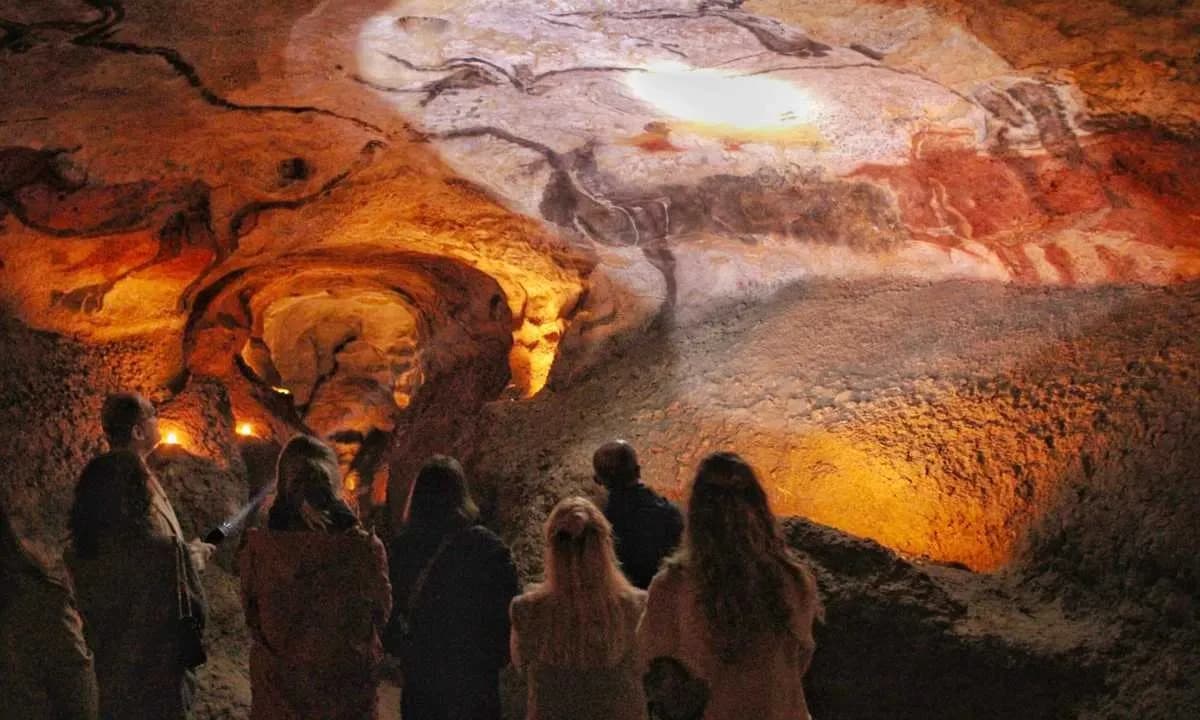
It was a fateful day in September 1940, against the backdrop of a war-torn Europe, when four French teenagers, Marcel Ravidat, Jacques Marsal, Georges Agniel, and Simon Coencas, set out for a typical day of adventure, accompanied only by their dog, Robot. As they traversed the rolling hills near Montignac in southwestern France, little did they know they were about to make a monumental discovery that would illuminate the depths of human creativity.
While chasing Robot, the ground suddenly gave way, revealing a concealed entrance to the Lascaux Cave, a place that would soon hold the world’s attention. As they entered, the boys were met with an awe-inspiring spectacle—the walls were alive with paintings dating back some 17,000 to 20,000 years, showcasing bison, horses, and stags in vibrant hues and intricate detail. This was not mere decoration; these were the echoes of a civilization long gone, telling stories of survival and spirituality.
The artwork within the Lascaux Cave is staggering. More than 600 paintings and nearly 1,500 engravings cover the interior, mostly depicting animals, including the impressive bison and horses, amazing in their realism and dynamism. Experts believe the artists used natural pigments and even employed sophisticated techniques, such as spray painting, using hollowed bones to blow color onto the cave walls. The impressions of human hands dot the cave, leaving behind tangible evidence of a community connected not just to one another, but to the very essence of life around them.
The discovery of Lascaux wasn’t just an isolated event. Other accidental finds in history reveal how the quest for knowledge and art has often happened serendipitously. For instance, the Altamira Caves in Spain were uncovered as early as 1879 by a curious 9-year-old girl. Then, in 2018, a group of scientists in Borneo stumbled upon what is now known as the world’s oldest figurative cave painting. These occurrences share a common thread: they signify the enduring human spirit that seeks to create and understand through art, even when the world seems lost.
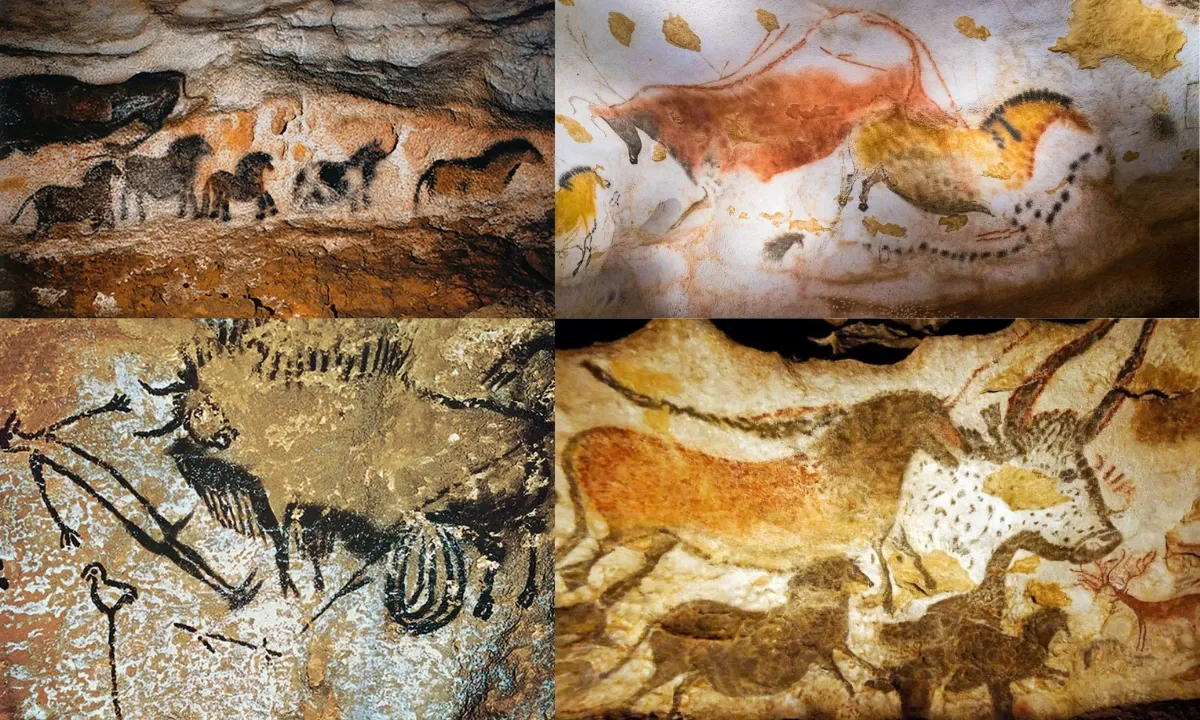
The significance of the Lascaux Cave paintings extends far beyond their artistic merits. They offer insights into the cognitive and spiritual lives of our ancestors. Archaeologists interpret these cave paintings as evidence of the emergence of a distinctly human consciousness, showcasing an ability to think symbolically and express complex feelings. They prompt us to wonder: what did these images mean to those who painted them? Some experts suggest they could have played a role in ritualistic practices, possibly linked to hunting successes or communal storytelling. The emotional resonance of such artworks urges us to reflect on our own relationship with creativity and meaning.
In the aftermath of the discovery, Lascaux became a focal point for archaeological study, allowing experts to re-evaluate the timeline of human artistic development. Its rich array of imagery leads us to reconsider the evolution of art and its crucial role in shaping human society. The insight that these ancient creators had a deep connection to nature, possibly viewing animals as spiritual beings, reshapes our understanding of early human belief systems.
Yet, sadly, the cave was closed to the public in 1963 due to damage by too many curious visitors, thus preserving its sanctity but also parading the need for careful stewardship of our history. Today, art enthusiasts can visit replicas, with Lascaux II and III offering a glimpse into the original artwork, still holding the power to evoke strong emotions and thoughts about our ancestors and ourselves.
As we reflect on this extraordinary find, one question lingers: what does it mean to be human, and how do our stories and creativity connect us across the ages? The boys who stumbled upon the hidden world of Lascaux did more than unveil paintings; they unlocked a portal into the depths of humanity’s collective experience, echoing through time with the simple power of art.