Researchers thought the season's known North Atlantic right whale calves had been counted. Photographs from Quebec revealed one more.
The calf was beside Silt, a whale at least 38 years old who has survived repeated fishing-gear entanglements. Its identification brought the documented 2025–2026 calving-season total to 24.
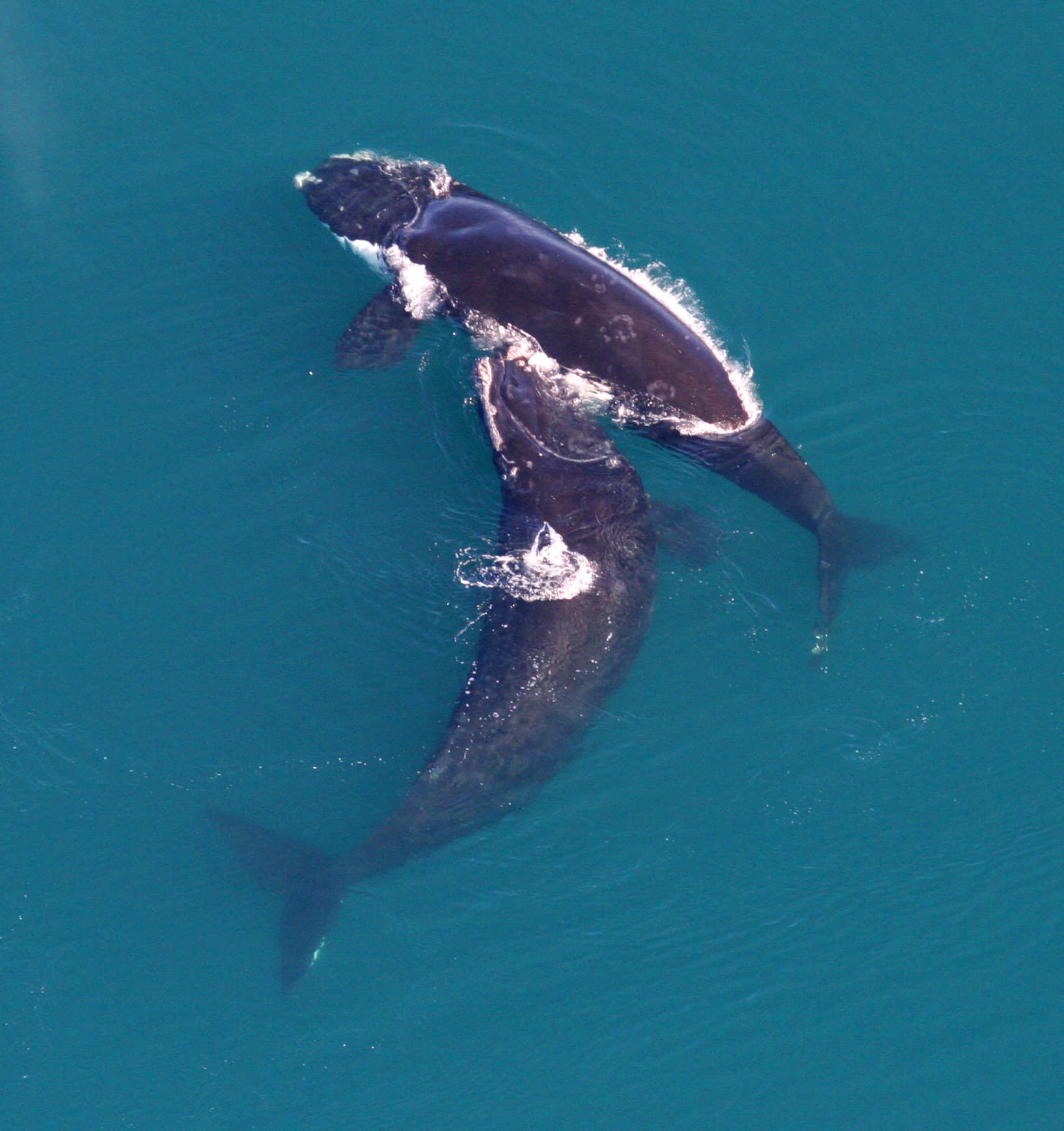
Featured photograph: Illustrative photograph: North Atlantic right whales, not Silt and the calf identified in September 2026. Sea to Shore Alliance/NOAA, permit 15488.
Photo: Sea to Shore Alliance/NOAA, via National Marine Sanctuaries, via Wikimedia Commons, Public domain. Photograph reproduced without editorial alteration.

Photographs revealed a previously unseen calf
The New England Aquarium announced that Mingan Island Cetacean Study researchers photographed the pair near Anticosti Island on September 25, 2026.
Aquarium scientists compared the images with their records before identifying a calf not documented during earlier surveys.
It was likely born during the preceding calving season. The sighting does not mean it was born in September.

Photo: Thosetimes, via Wikimedia Commons, CC BY-SA 4.0. Photograph reproduced without editorial alteration.

Silt has a long, difficult history
Scientists identify Silt through the North Atlantic Right Whale Catalog. They have recorded six known calves in her life and at least five entanglement events.
Her history illustrates why researchers follow individual whales across years. Photographs can connect births, injuries and later sightings to the same animal.
The Associated Press also reported the discovery, placing the added calf in the context of a critically endangered population.
A hopeful addition, with risks remaining
The aquarium estimated the species' population at about 380. Fishing-gear entanglement and vessel strikes remain major threats.
ORCA's account likewise emphasized Silt's family history and the significance of finding another calf.
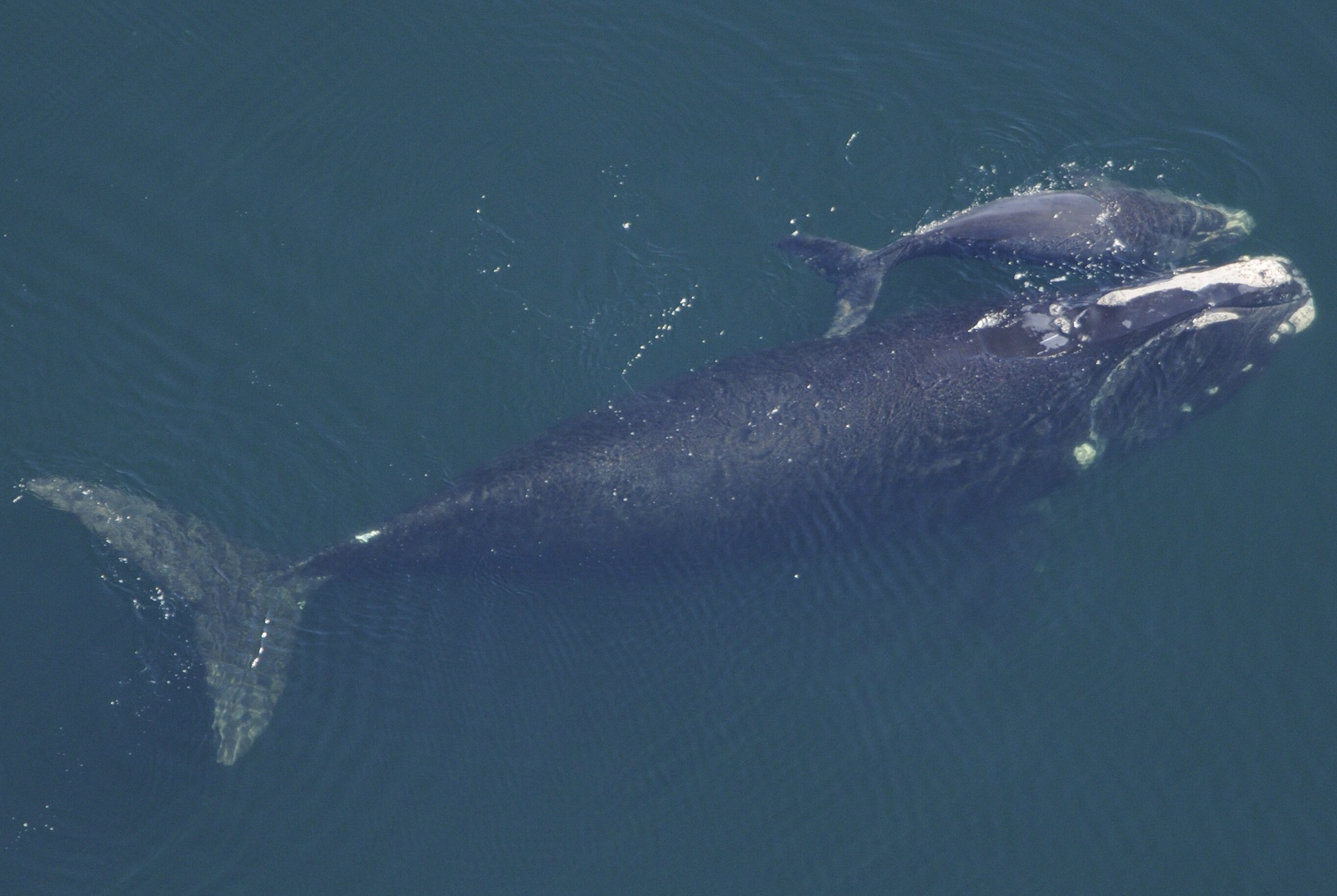
Photo: NOAA Photo Library, via Wikimedia Commons, Public domain. Photograph reproduced without editorial alteration.

The animal photographs accompanying this article are illustrative right-whale images, not photographs of Silt and this calf.
One additional documented birth does not establish that the population is secure. It does give researchers another individual to follow, and another reason to keep working toward safer waters.