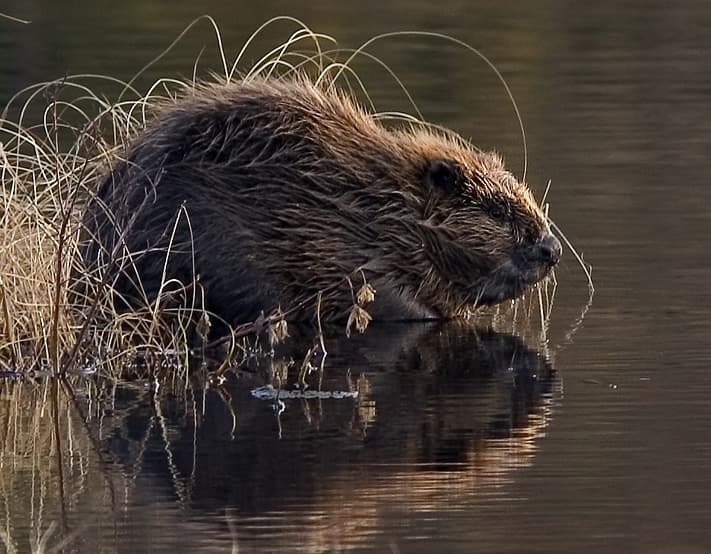
A family of six beavers has been released into a small lake on the Dundreggan rewilding estate, beginning their return to the Loch Ness catchment in the Scottish Highlands.
The November 4, 2026, release marks a new stage in a restoration effort. It came roughly five centuries after the last historical records cited for beavers around Loch Ness.
Featured photograph: Illustrative wildlife photograph: a Eurasian beaver in Norway, not one of the Dundreggan family.
Photo: Per Harald Olsen, via Wikimedia Commons, CC BY-SA 3.0. Photograph reproduced without editorial alteration.

The first family arrived under licence
Beaver Trust's announcement says the animals were relocated from elsewhere in Scotland under a NatureScot licence.
Their new home is a lochan on Trees for Life's Dundreggan estate in Glenmoriston. That is within the wider Loch Ness catchment, rather than a release into the famous loch itself.
The project followed discussions with communities and land managers, alongside habitat assessment and licensing.
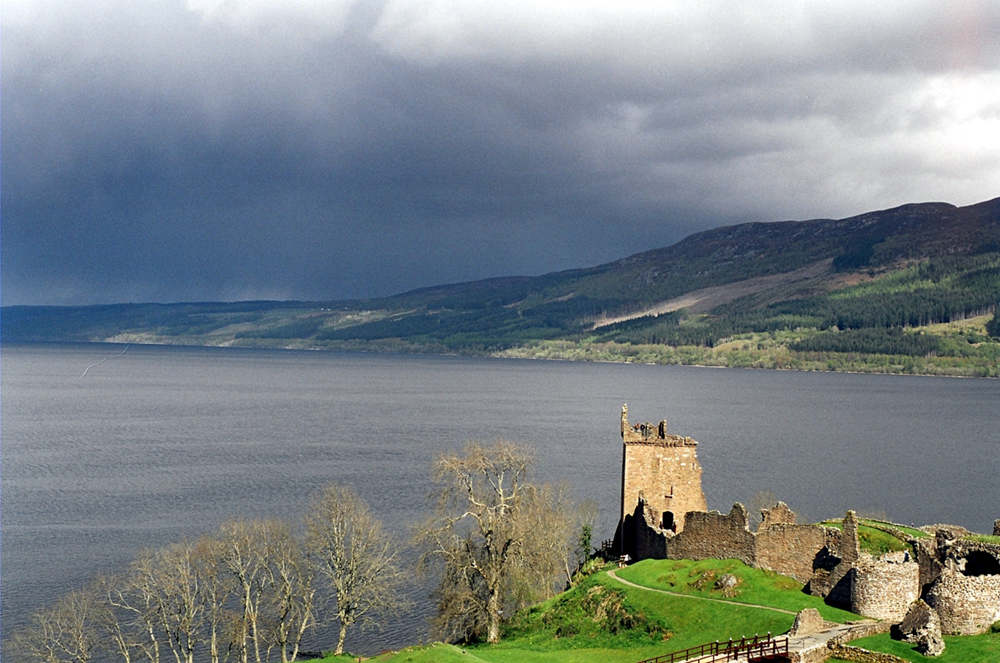
Photo: Sam Fentress, via Wikimedia Commons, CC BY-SA 2.0. Photograph reproduced without editorial alteration.

More families are planned
The Ness Beaver Project's own account sets out an ambition to reintroduce at least 15 family groups at suitable sites over three years.
The wording matters. This is a planned expansion, not a statement that those additional groups are already established.
Staff intend to provide ongoing local support and monitoring as animals settle into the landscape.
A return with work still ahead
Trees for Life describes beavers as animals that can change waterways and create habitats through their feeding, digging and building.
Those activities can benefit other wildlife. Their effects still depend on the site and how the animals use it.
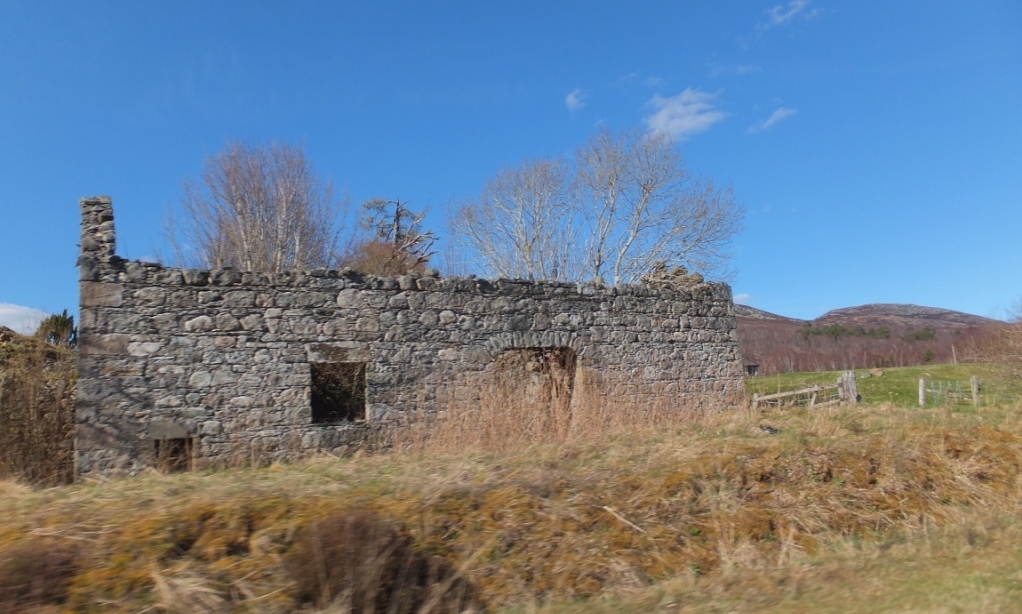
Photo: Alpin Stewart, via Wikimedia Commons, CC BY-SA 2.0. Photograph reproduced without editorial alteration.

The wildlife photograph here shows a Eurasian beaver elsewhere, not one of the released family. The location images provide wider regional context.
The first release is a concrete result. A connected, lasting population is the next goal, one that will take time, observation and continued work with the people who share the catchment.