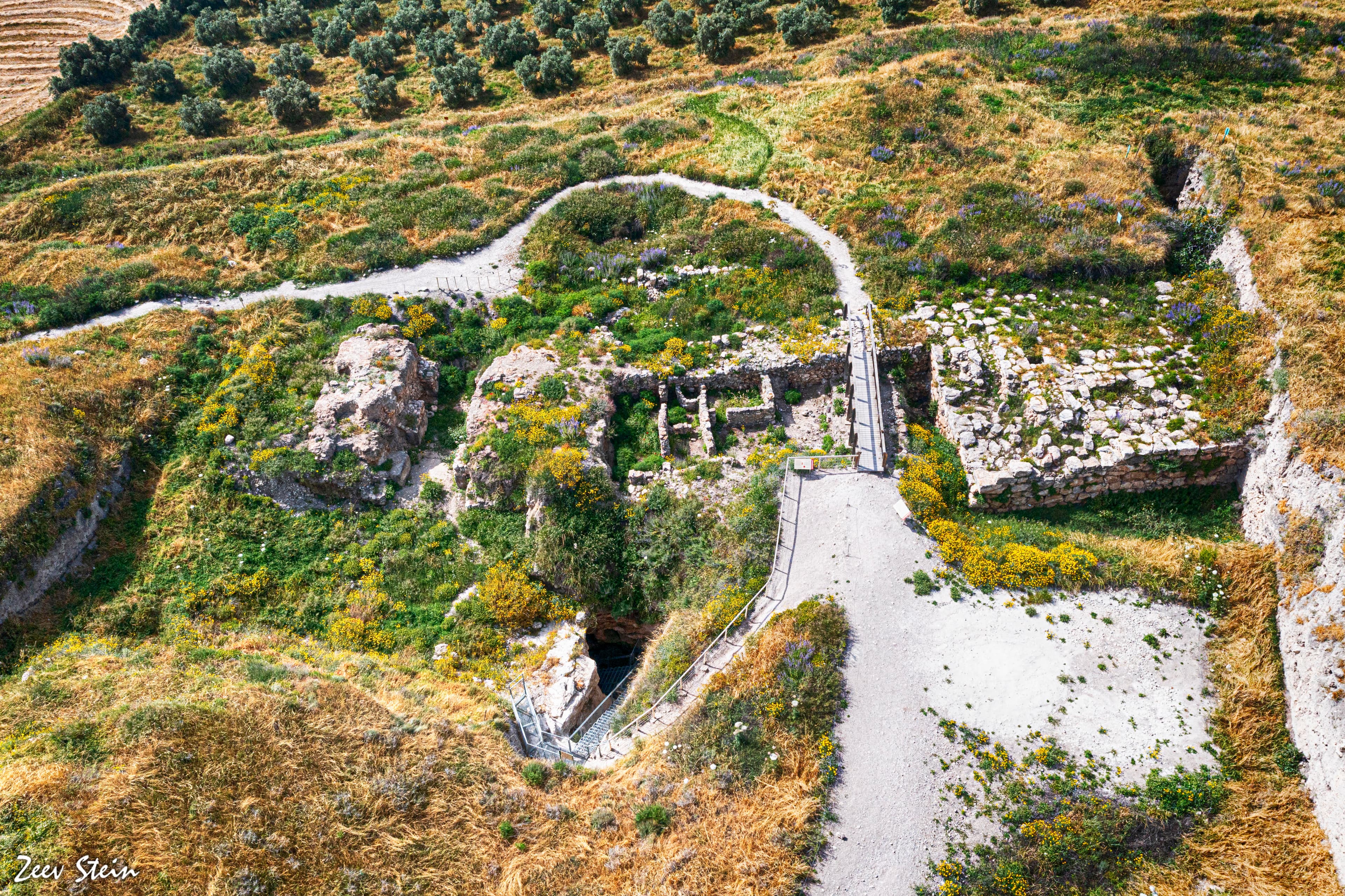
Shiloh Attoun had arrived in Israel only two days before his class visited Tel Gezer. During the outing, the 17-year-old noticed a small object on the ground.
It turned out to be a scarab-shaped amulet about 3,300 years old. The find was reported to the Israel Antiquities Authority, which collected it for the national repository and recognized him with a certificate.
Featured photograph: Location photograph: the archaeological mound at Gezer, not the moment or precise spot of the amulet discovery.
Photo: זאב שטיין, via Wikimedia Commons, CC BY 2.5. Photograph reproduced without editorial alteration.

A school visit became a discovery
The authority's announcement, published through Israel's government, describes the visit by students from Muss High School Israel.
Attoun showed the object to his guide. He and the school's dean of students reported it, and an archaeologist later met the group.
The November 3, 2026, announcement dates the public report. It does not establish that the discovery itself happened that day.
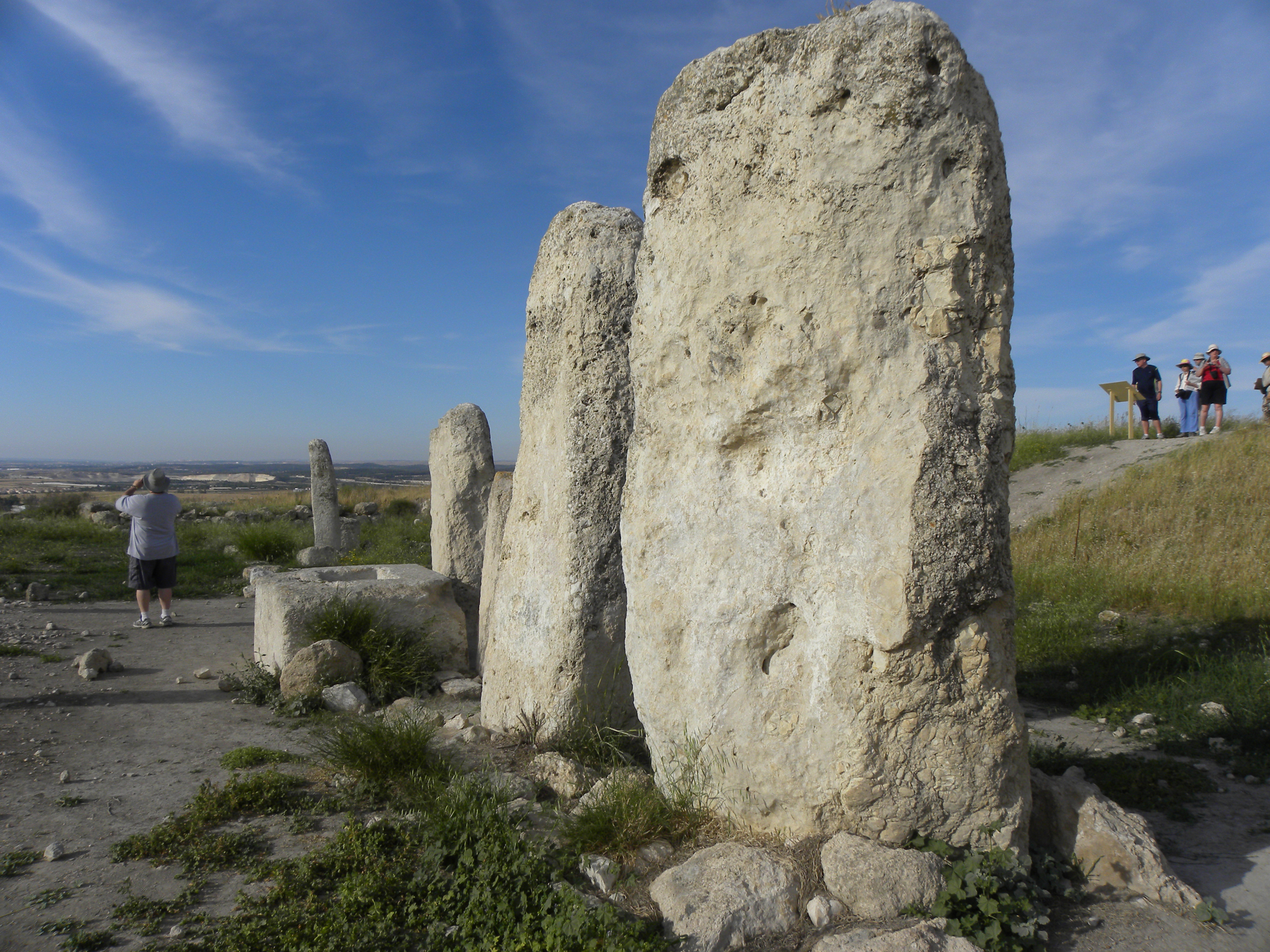
Photo: Ian Scott, via Wikimedia Commons, CC BY-SA 2.0. Photograph reproduced without editorial alteration.

Cobras appeared on the small seal
The Times of Israel reported that Professor Ido Koch examined the object and dated it to the Late Bronze Age.
Its decoration includes two cobras above a sign meaning “lord.” Scarab-shaped objects could serve as amulets and seals in the ancient world.
Gezer was an important Canaanite city during a period of Egyptian influence in the region. The small find adds to the material evidence studied to understand those connections.
Reporting protected the find
The authority praised the student's decision to contact archaeologists and hand over the object. It also reminded future finders to leave archaeological material in place and report it so its context can be recorded.
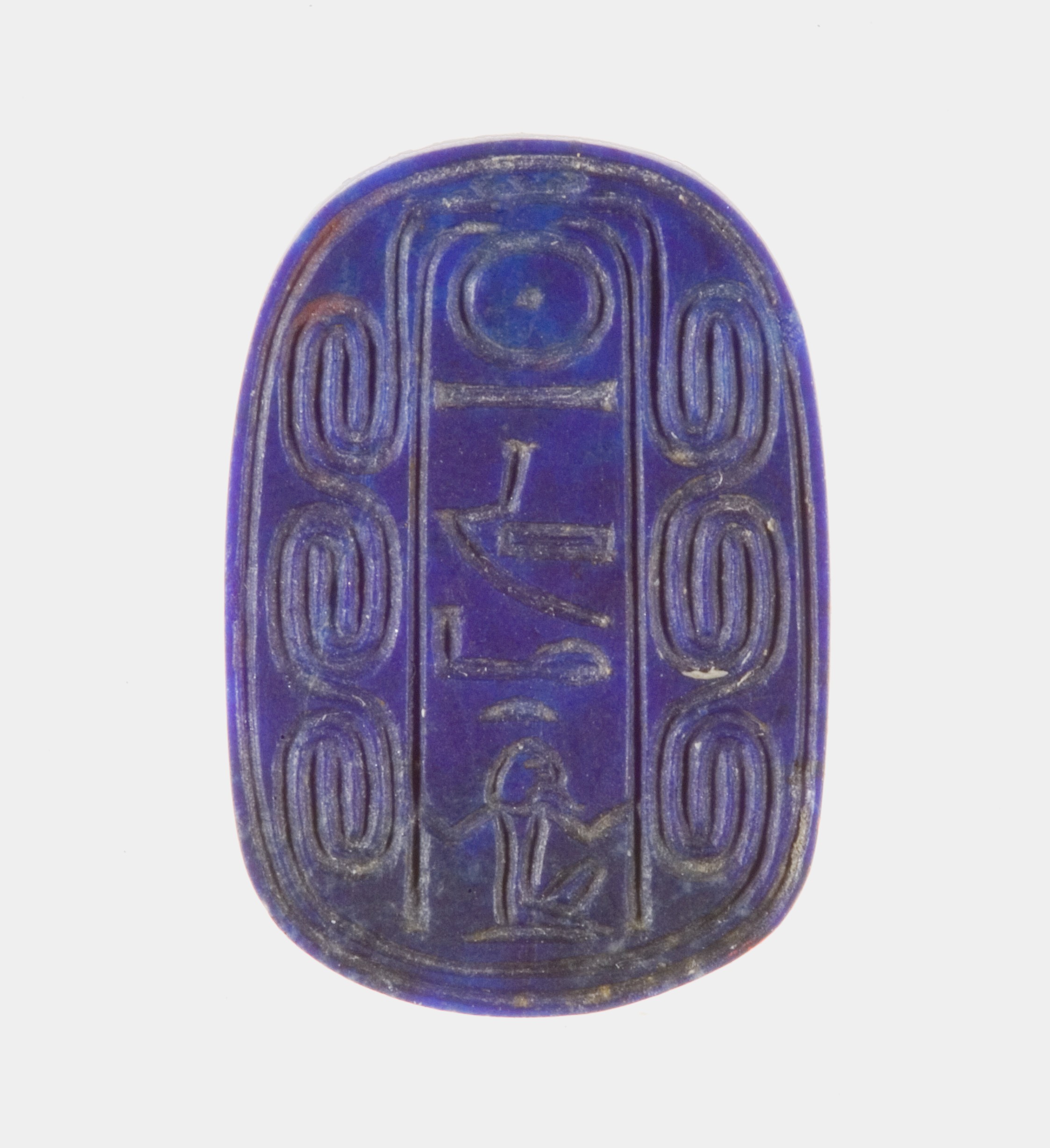
Photo: , via Wikimedia Commons, CC0. Photograph reproduced without editorial alteration.

The museum scarab pictured here is a different object. It illustrates the form and is not the amulet Attoun found.
The discovery became more than an unusual souvenir because it entered a public collection. A moment of curiosity on a class trip led to an object being preserved for study.