Brian Robson wanted to return to Wales but could not afford the journey from Australia. In 1965, he made a decision that nearly killed him: he traveled hidden inside a freight crate.
The shipment did not take him straight home. He was discovered in Los Angeles after days in transit, barely alive.
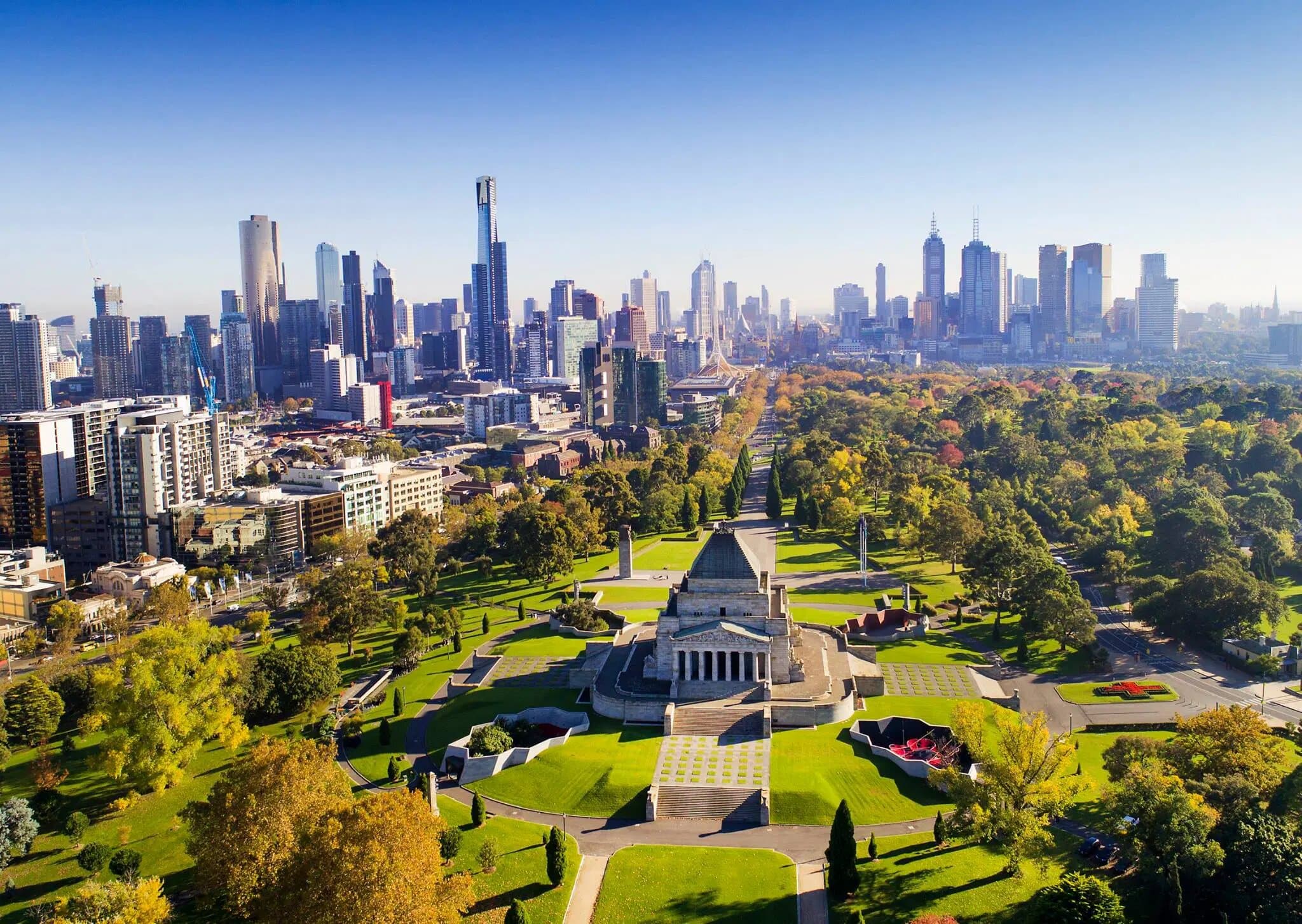
Featured photograph: Modern location photograph: Melbourne's skyline, not the city at the time of Robson's 1965 journey.
Photo: Melbpal, via Wikimedia Commons, CC BY-SA 4.0. Photograph reproduced without editorial alteration.

Homesickness led to a dangerous plan
In a 2021 ITV interview, Robson recalled being 19 and unable to pay for a flight out of Australia.
Two Irish friends helped arrange the shipment. Once the crate was closed and collected, he had little control over what happened.
The cargo was handled and rerouted like freight. He recalled being left upside down for an extended period.
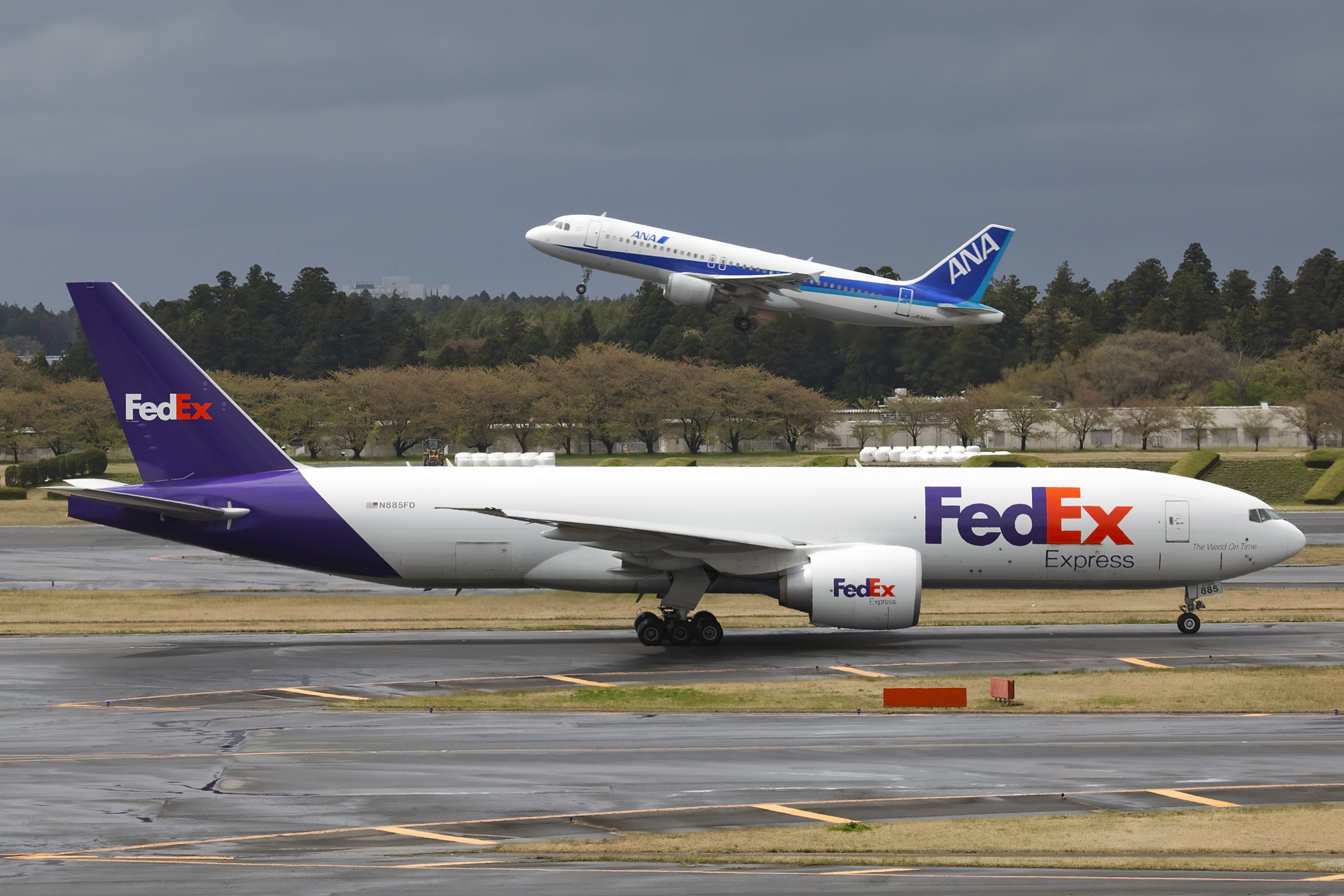
Photo: Maarten Visser from Capelle aan den IJssel, Nederland, via Wikimedia Commons, CC BY-SA 2.0. Photograph reproduced without editorial alteration.

The journey ended in a different country
Instead of reaching Britain as intended, Robson ended up at an airport in Los Angeles. A worker discovered him after the long journey.
The retrospective accounts describe a severe ordeal, not a clever travel shortcut. He survived, received care and eventually returned to Britain.
His publisher's account of the later memoir identifies the book as The Crate Escape. The events belonged to 1965, decades before the renewed attention.
He wanted to thank the friends who helped
When interviewed in 2021, Robson was trying to locate the two friends he remembered as John and Paul. ITV recorded his hope of meeting them again.
Photo: grahamwell / Graham profile at Flickr website, via Wikimedia Commons, CC BY-SA 2.0. Photograph reproduced without editorial alteration.

That later search should not be mistaken for a confirmed reunion. It was part of his effort to revisit an episode he himself found difficult to believe.
The striking part of his story is the gap between the plan and the reality. A homesick teenager imagined a way home; the ordeal that followed left him dependent on strangers discovering he was there.