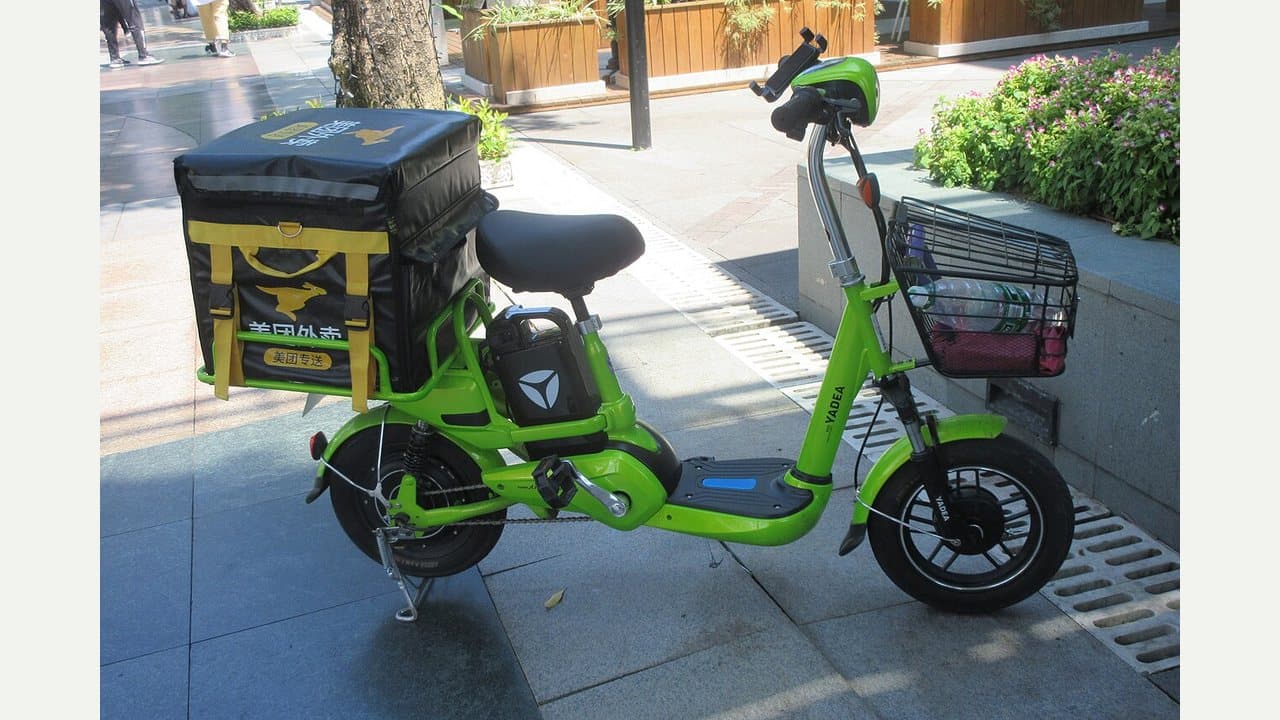
A Shenzhen chicken-shop worker struggled to keep up as delivery orders accumulated. In footage shared widely in August 2026, riders waiting for food offered reassurance instead of demanding that he work faster.
The scene drew attention to a familiar pressure in delivery work: several people can be racing the same clock, even when they stand on different sides of a counter.
A worker was visibly distressed
Contemporary coverage of the video described a young employee handling cooking and packing while riders waited. He was visibly upset as he continued working.
The riders' response became the central human moment. They urged him to slow down and not cry. Their orders still mattered, but they acknowledged the person trying to prepare them.
The clip circulated with dramatic accounts of the shift and the worker's condition. A subsequent local report supplied a more specific timeline.
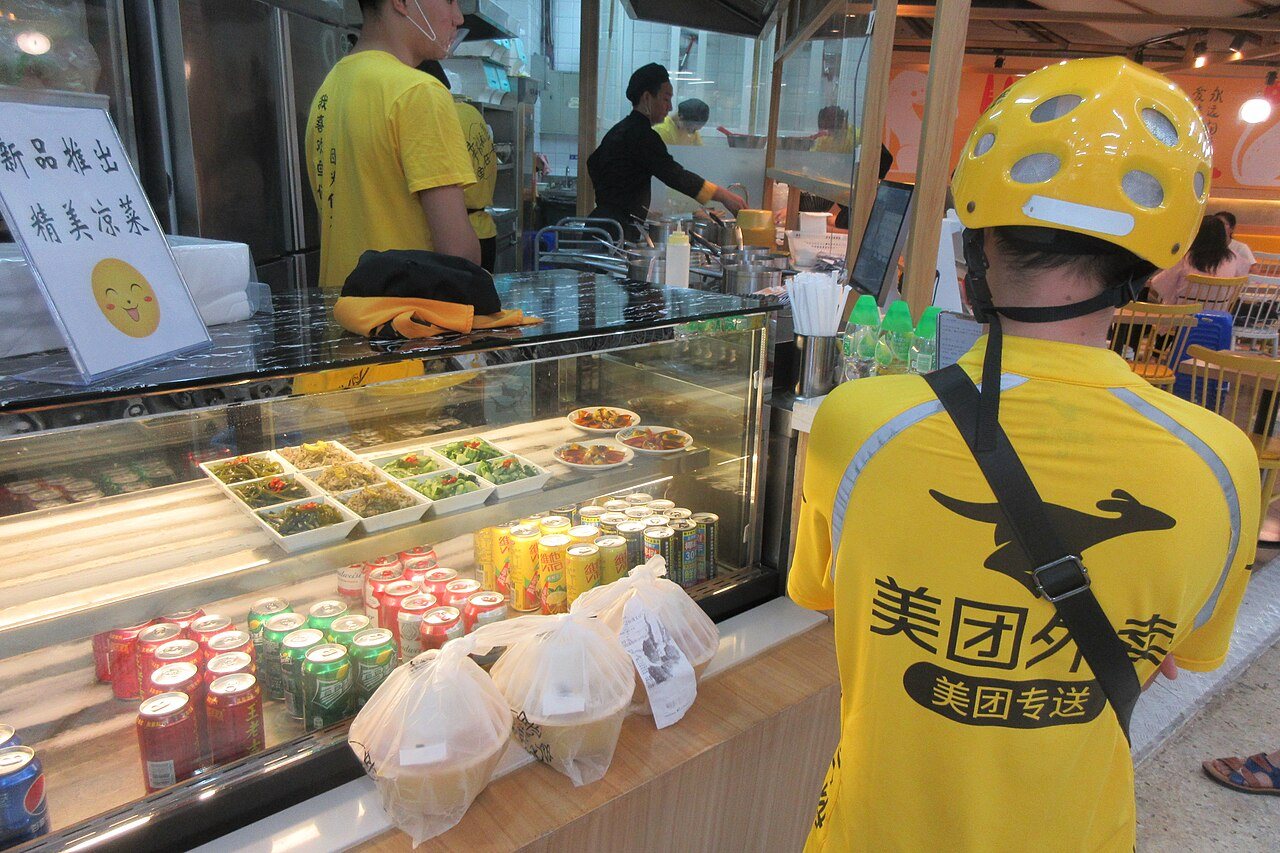
Archival Shenzhen delivery scene. The person pictured is not identified as part of the restaurant incident. Photo: Capwiuejooh, CC BY-SA 4.0. Resized; JPEG conversion. Image adaptation shared under the same CC BY-SA 4.0 license.

Local officials described a lunchtime rush
Shenzhen News reported on August 12 that the Longhua district human-resources bureau had investigated with other local agencies.
According to that account, the employee started work at 10 a.m. on August 9. A surge in lunchtime orders preceded an emotional episode around 12:26 p.m. He later resumed work.
The bureau said he requested to leave the job on August 10 and that the shop paid his wages in full. A follow-up visit found him in good physical condition, the report said.
Those details place the official account at lunchtime. The published report did not establish a specific medical diagnosis from the online video.
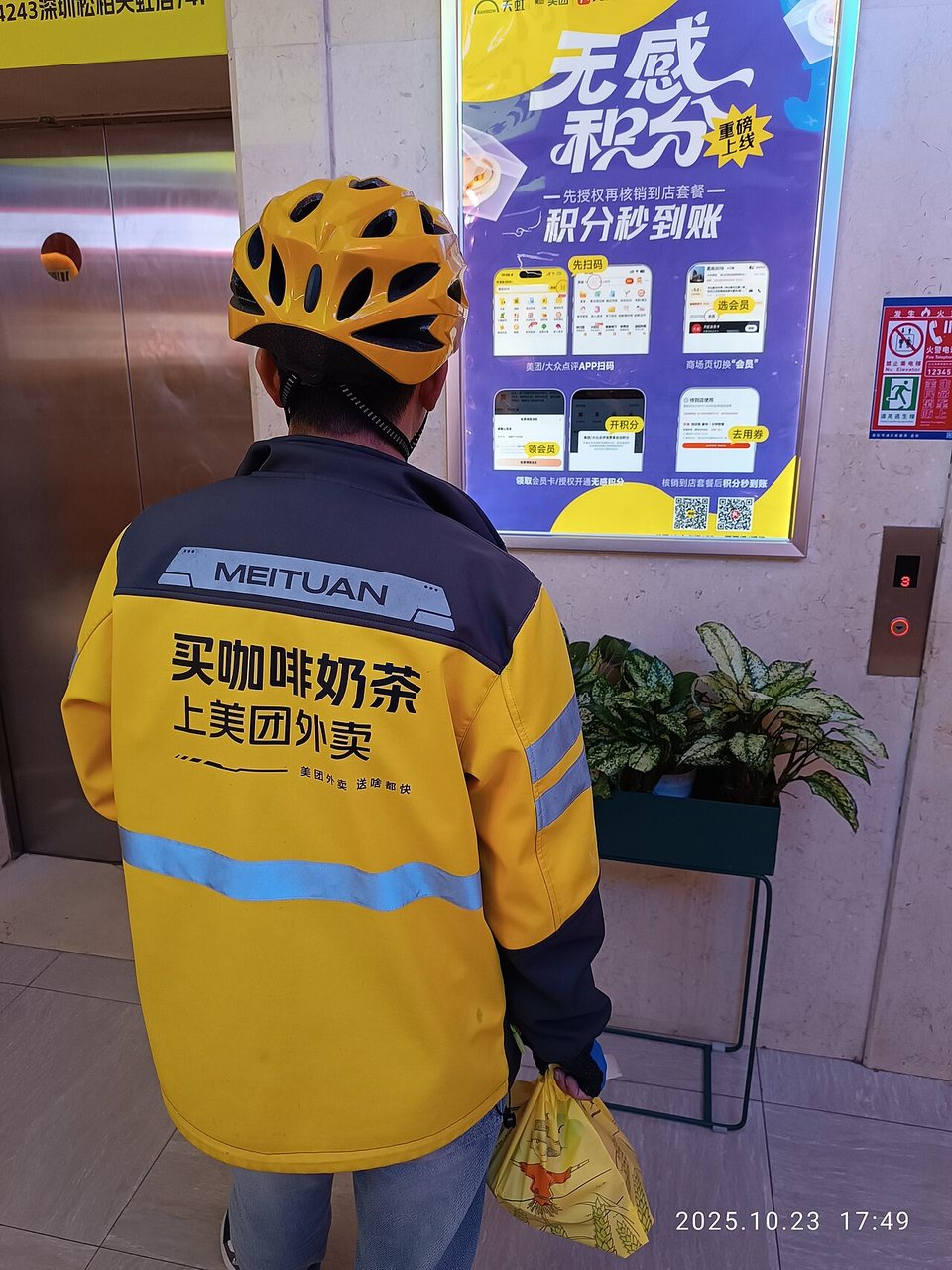
Archival delivery rider in Longgang, Shenzhen. This is geographic and industry context, not the viral incident. Photo: HSeqao MLSGA, CC0. Resized; JPEG conversion.

The response made room for a person
The bureau also said it would continue providing care and employment support, and encourage small businesses to arrange workloads reasonably.
The riders could not settle those wider staffing questions at the counter. What they could do was stop adding to the immediate pressure.
Their reassurance did not depend on knowing a diagnosis or the employee's private history. They saw someone struggling with the work in front of him and offered patience while he was still trying to complete it.
Featured image: Archival Shenzhen delivery photograph. This does not show the distressed employee or the August 2026 incident. Photo: Capwiuejooh, CC BY-SA 4.0. Resized and placed on a plain 16:9 canvas without cropping the subject. Image adaptation shared under the same CC BY-SA 4.0 license.
