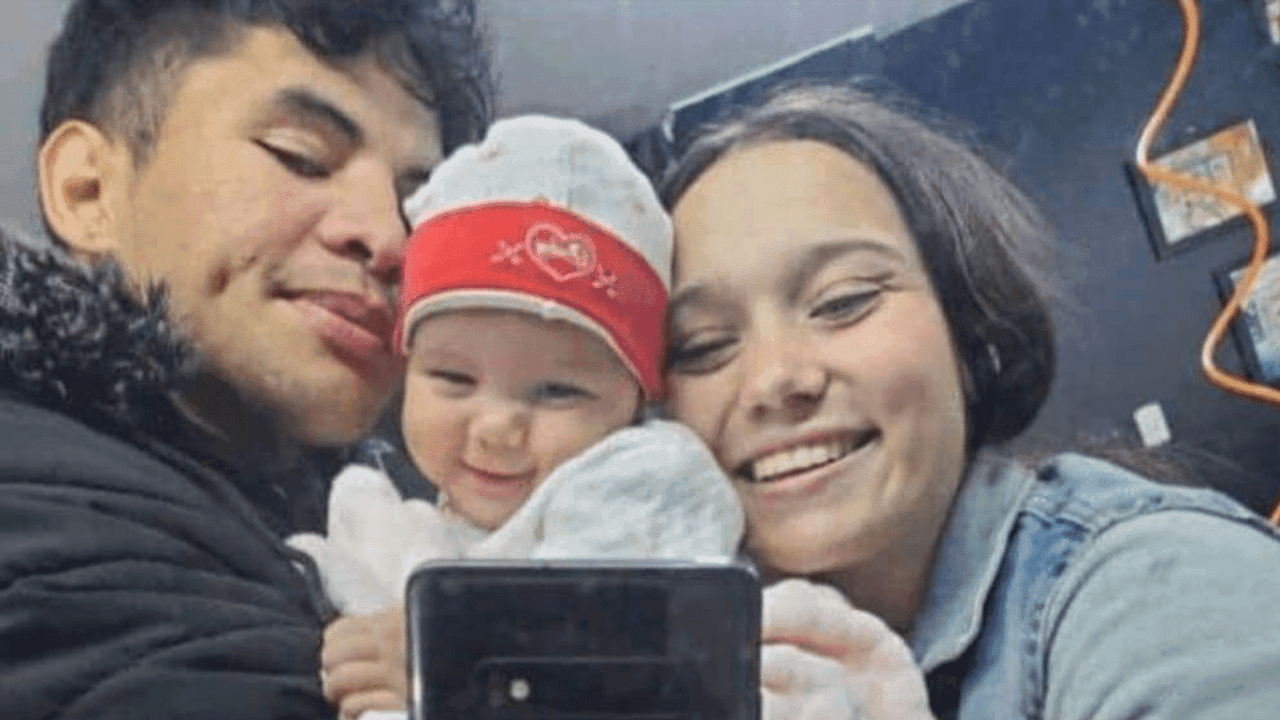
In a heart-wrenching turn of events, Yorely Bernal Inciarte and her partner, Maiker Espinoza Escalona, find themselves on opposite sides of Latin America after a tumultuous journey to the United States. Their two-year-old daughter remains behind in the U.S., living with a foster family under government custody. This story unfolds against the backdrop of a controversial immigration policy and has sparked outrage among Venezuelan officials and human rights advocates.
The couple entered the U.S. last year in pursuit of asylum, hoping for a new beginning away from the socio-political turmoil of Venezuela. However, shortly after their surrender to U.S. authorities, the family was separated. Inciarte and Escalona were detained, and their child was placed under the care of the Office of Refugee Resettlement.
While in detention, both adults were thrust into separate asylum proceedings. Despite their plea to remain united as a family in the United States, the couple instead faced an unexpected and unsettling separation. Escalona was transferred to the notorious CECOT prison in El Salvador under Title 8 authority, leaving Inciarte in tears and disbelief.
Their return to their respective home countries was marked by anguish and shock. Inciarte recalls the emptiness she felt when her deportation flight to Venezuela took off without her daughter. On the other side, Escalona found himself in the harsh environment of a Salvadoran prison, which drew emotional reactions upon their recognition of him through a video surfaced online.
Immigration and Customs Enforcement (ICE) officers allegedly ignored Inciarte’s cries for information about her daughter during her deportation process. As a result, both parents remain distressed, away from the child they cherish.
Venezuelan officials, including Interior Minister Diosdado Cabello, have denounced the actions, labeling them as acts of ‘kidnapping’ and accusing the U.S. government of injustice against Venezuelan families. These claims of wrongdoing were bolstered by Venezuelan documents provided by the family, asserting a lack of criminal records.
While the Department of Homeland Security (DHS) stands by its labeling of the parents as affiliates of the Venezuelan gang, Tren de Aragua, these allegations remain contested. Inciarte and Escalona firmly deny any gang involvement, calling for evidence release to clear their names. Furthermore, DHS cited Escalona’s alleged gang leadership and criminal operations while noting Inciarte’s supposed participation in recruitment activities.
Amidst these claims, the young child remains in foster care, shielded from the unfolding storm between her home country and the one her parents had hoped would offer refuge. As questions linger and the family’s pleas for justice echo, the world watches an immigration story tinged with tragedy, hope, and the quest for reunion.