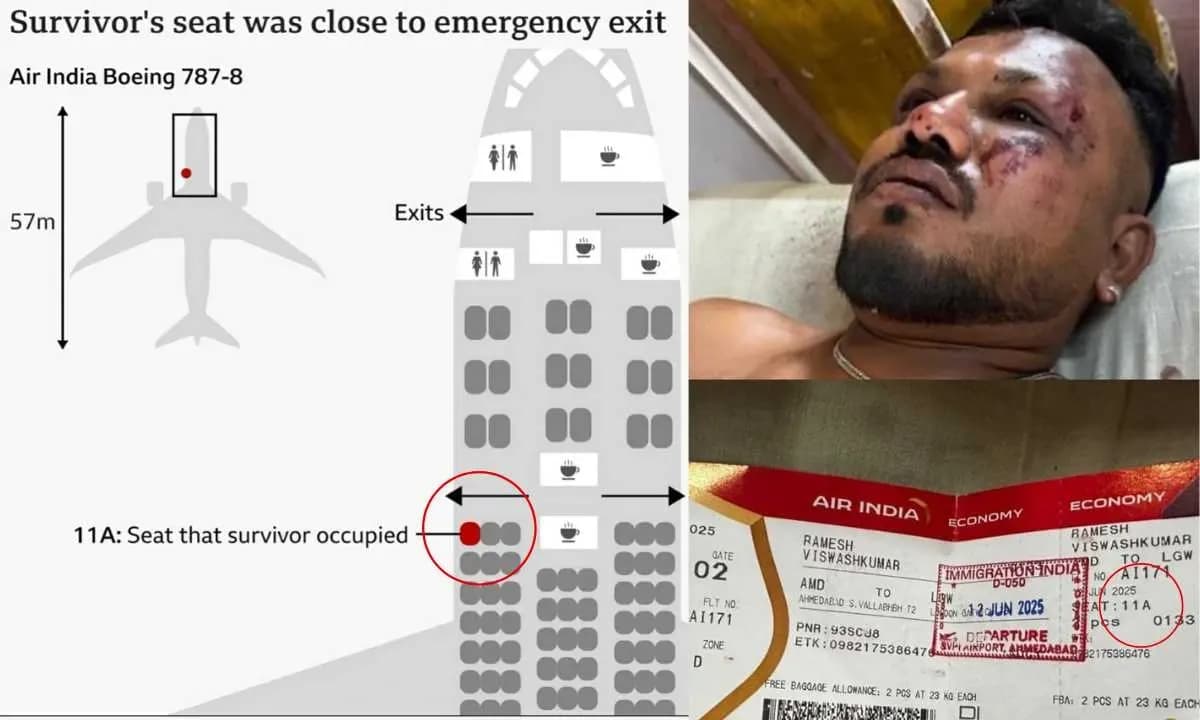
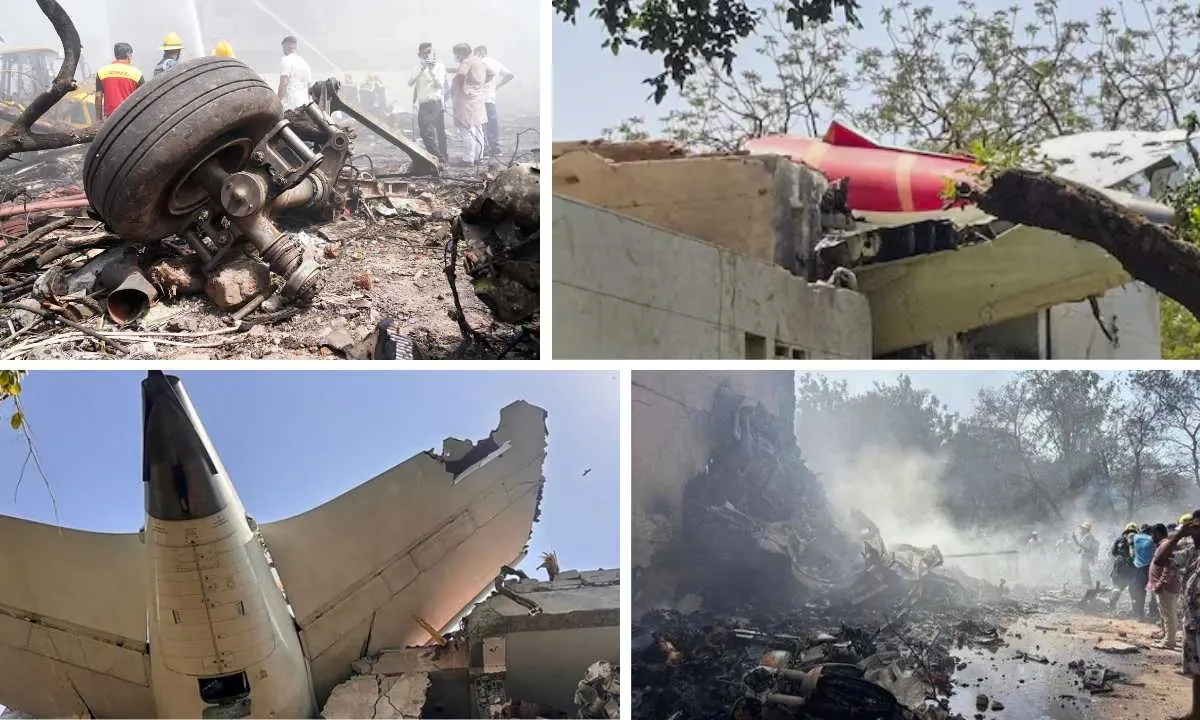
On 12 June 2025, Air India Flight AI171, a Boeing 787-8 Dreamliner carrying 242 people, lifted off from Ahmedabad bound for London Gatwick. Half a minute later, witnesses heard “a loud noise,” the jet lost altitude, and slammed into a medical college hostel near the airport. More than 240 people on board and on the ground died, making it the deadliest crash in a decade. Yet one passenger walked away: Vishwash Kumar Ramesh, a 40-year-old British visitor of Indian origin, who had been sitting in seat 11A.
“When I got up, there were bodies all around me… I stood up and ran.”
—Vishwash Kumar Ramesh, from his hospital bed reuters.com
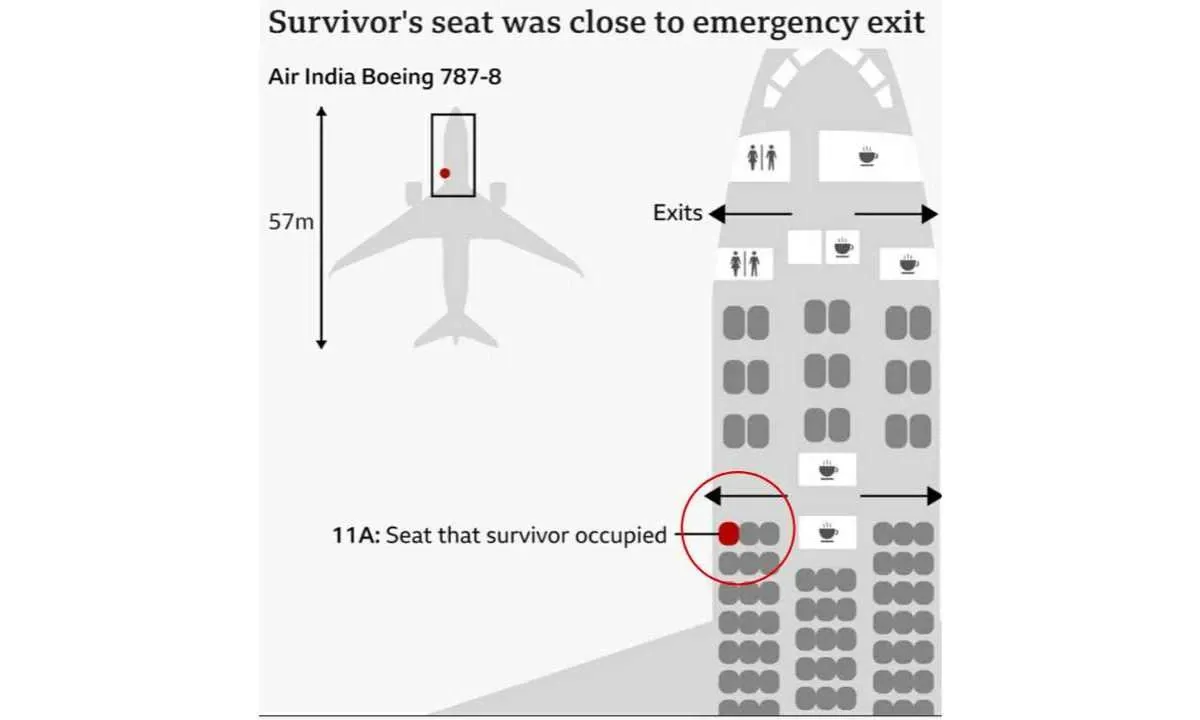
Where Exactly Is Seat 11A?
- Location: window seat on the left (port) side of the Dreamliner’s economy cabin.
- Row 11 aligns with the L2 door, one of the main emergency exits in the forward third of Air India’s 787-8 layout.
- Extra space: because the row lines up with an exit, the seat has additional leg-room and no seat directly ahead.
Why That Seat Gave Ramesh a Fighting Chance
Proximity to Emergency Exit (L2 Door)
Seat 11A is just one row away from the L2 door, one of the main forward exits on the Boeing 787-8 Dreamliner. Being this close provided Vishwash with a direct and fast escape route. In most crash scenarios, those seated within five rows of an exit have significantly higher chances of evacuating in time. According to a study by the University of Greenwich, those farther away take longer to reach exits—often too late in case of fire or smoke.
Extra Space and Structural Reinforcement
Seats in emergency exit rows or near exits—like 11A—often have:
- More legroom, which can allow a passenger to assume a better brace position during impact.
- No seat directly in front, reducing the risk of secondary injuries caused by hitting another seat.
- Reinforced fuselage sections around emergency doors to support the weight of evacuation slides, which may improve survival in a fuselage breakup.
This structural reinforcement likely absorbed some of the crash forces, and the space around the seat may have shielded Ramesh from collapsing rows of seats or debris.
Quieter Cabin Section and Window Position
While not often discussed, sitting in a window seat on the forward part of the plane (just behind the business-class bulkhead) might have further helped. Seat 11A is:
- Away from engines, which are mounted under the wings, reducing exposure to fuel-related fire.
- Near crew jump seats, possibly enabling quicker assistance during evacuation.
- Along a structural ring frame, where the fuselage tends to hold together longer during crashes.
Lower Passenger Density
The section of the aircraft near row 11 typically transitions between business and economy class. In many Boeing 787-8 Dreamliners, this area has lower seat density compared to mid-cabin or rear sections. Fewer passengers nearby could have meant:
- Less obstruction during escape.
- Reduced chaos during evacuation.
- Less risk of being trapped under other passengers or luggage.
Flight Configuration and Cabin Layout
Based on the layout for Air India’s 787-8, Seat 11A was:
- Just behind business class, making it one of the first economy seats to receive crew instructions and possibly quicker attention in the chaos after impact.
- Close to galley and lavatory areas, which may have allowed open space for movement.
This cabin design aligns with the structural diagram shown in the image, reinforcing that Ramesh’s seat was uniquely positioned to provide a short path to survival.
Reinforced door frame
Exit door beams are among the strongest parts of the fuselage, designed to handle slide-deployment forces.
What Studies Say About the “Safest” Seats
Research shows patterns—but not absolutes.
- Rear-middle advantage
- A TIME analysis of 17 U.S. crashes (1985-2000) found a 28 % fatality rate in rear-middle seats versus 44 % for mid-cabin aisles.
- Five-row rule
- A University of Greenwich simulation study showed that passengers within five rows of an exit evacuate fastest.
- Structural “sweet spots”
- Seats just behind the wing benefit from extra structural support but sit above fuel tanks; risk trade-offs depend on fire and impact angle.
- Key message: seat location matters less than crash dynamics, aircraft design and how quickly you can reach an exit.
The Reality of Emergency-Exit Seats
- Extra leg-room, earlier boarding, colder cabin section.
- Duties: open the door and help direct others in an evacuation; regulations bar children under 12, people with limited mobility or those travelling with infants.
Practical Tips to Improve Your Odds
- Choose smartly: if possible, pick a seat within five rows of any exit—rear middle offers the best historical stats.
- Wear your belt low and tight any time you’re seated.
- Count the rows to the nearest exits (for zero-visibility conditions).
- Keep shoes on for take-off and landing.
- Adopt the brace position at the first sign of trouble or on crew command.
- Leave bags behind—studies show grabbing luggage slows evacuation.
Perspective: Flying Is Still Incredibly Safe
Even after this tragedy, the worldwide rate in 2023 was 16 fatal accidents out of 37 million flights—about 1 crash per 2.3 million departures. The lifetime odds of dying in a plane crash remain around 1 in 8 million passenger flights, far lower than everyday risks like driving.
Key Takeaway
Seat 11A wasn’t a magic bullet. It offered structural protection and a fast exit, but Ramesh’s survival also hinged on quick thinking, a secured seat belt and sheer luck. For the rest of us, picking a seat near an exit, knowing safety procedures and staying calm can tilt the odds—but they will never replace overall flight safety standards that make commercial aviation one of the safest ways to travel.