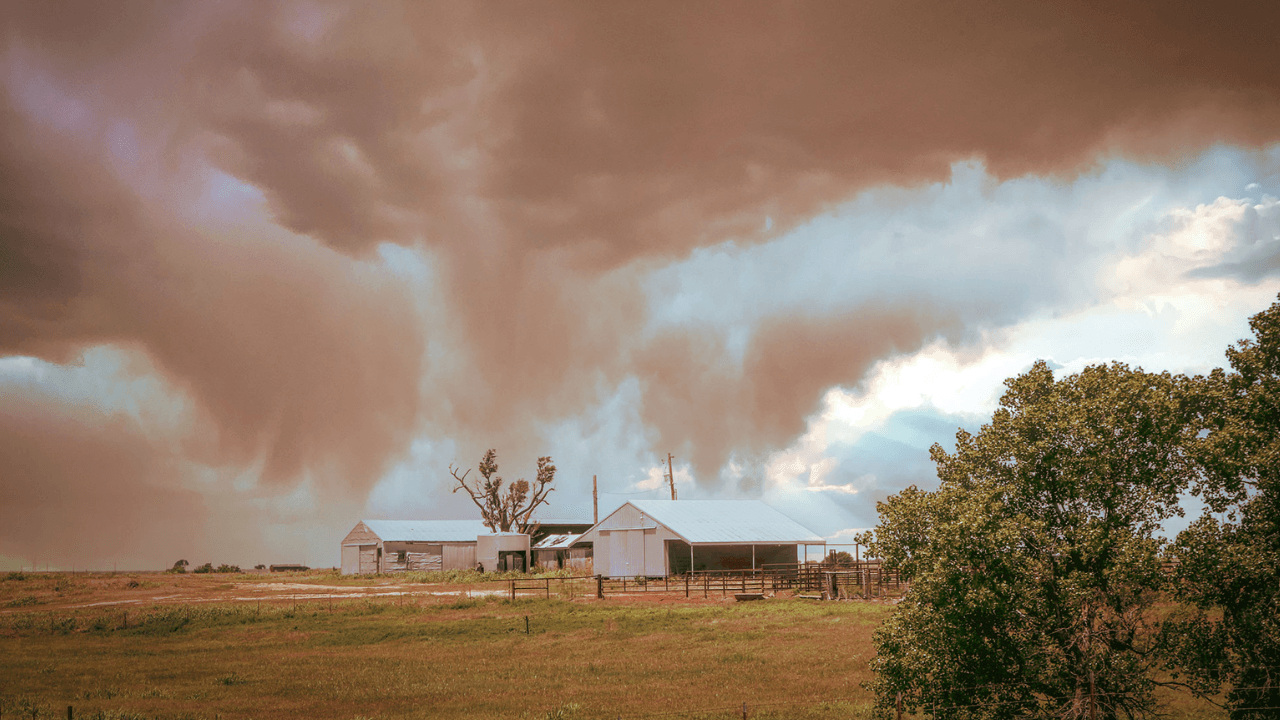
In a surprise discovery, scientists from the University of Colorado Boulder have detected Medium Chain Chlorinated Paraffins (MCCPs) in the air over rural Oklahoma. This marks the first airborne detection of the toxic compound in the Western Hemisphere.
The team made the finding during a month-long field study using a high-tech air monitoring device. They expected to track normal air particles. Instead, they uncovered the presence of MCCPs—a pollutant that’s under review for global regulation due to its potential health risks.
What Are MCCPs and Why Are They Dangerous?
MCCPs are used in metalwork, plastic, and textiles. These chemicals are toxic, break down slowly, and can travel long distances through the air. They are related to Short Chain Chlorinated Paraffins (SCCPs), which are already banned in many places, including by the U.S. Environmental Protection Agency (EPA) since 2009.
“It’s very exciting as a scientist to find something unexpected like this,” said Daniel Katz, a CU Boulder PhD student and lead author of the study. “We’re starting to learn more about this toxic, organic pollutant that we know is out there, and which we need to understand better.”
The research was published in the journal ACS Environmental Au on June 5, 2025.
Suspected Link to Sewage Sludge Fertilizer
The scientists believe the MCCPs came from nearby farmland. The area uses biosolid fertilizer, which is made from treated sewage sludge. This type of fertilizer is known to carry chemical pollutants.
“When sewage sludges are spread across the fields, those toxic compounds could be released into the air,” Katz explained. “We can’t show directly that that’s happening, but it’s a reasonable way they could be winding up in the air.”
The finding comes just months after the Oklahoma Senate voted to ban biosolid fertilizer due to rising concern about PFAS—another long-lasting pollutant often called a “forever chemical.”
How the Pollutants Were Found
The team used a nitrate chemical ionization mass spectrometer to study the air 24 hours a day for one month. This advanced tool helps identify unknown compounds in the atmosphere.
Katz noticed new chemical patterns while reviewing the data. After additional research, he confirmed the patterns matched those of MCCPs—compounds that had never been detected in American air before.
Professor Eleanor Browne, co-author of the study, noted that banning one toxic chemical often leads to another being used in its place. “We always have these unintended consequences of regulation,” she said.
What Happens Next?
Now that scientists know how to measure MCCPs in the air, the next step is to monitor them over time and across locations. The goal is to understand how they behave in different seasons and what risks they pose.
“We identified them, but we still don’t know exactly what they do in the atmosphere,” Katz said. “They need to be investigated further.”
MCCPs are being considered for regulation by the Stockholm Convention, an international treaty that protects human health from harmful chemicals. As scientists continue to investigate, the study calls for strong environmental monitoring and government action to keep the air safe.