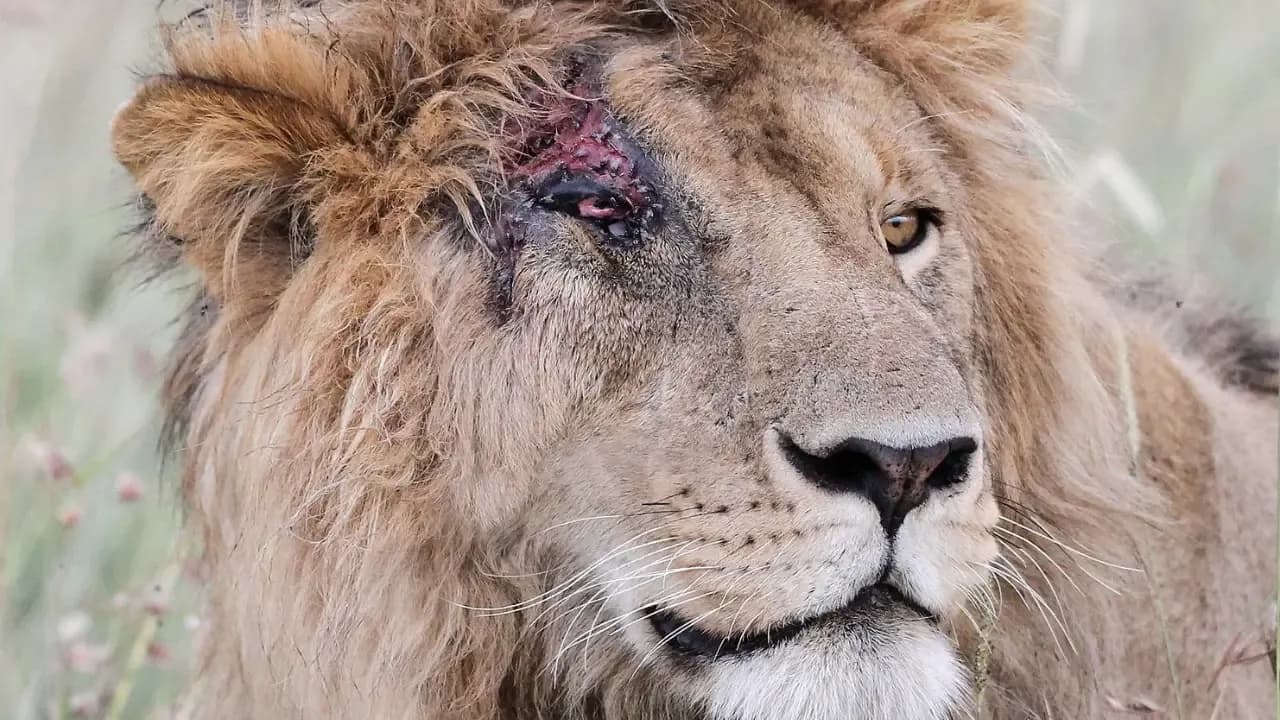
Scarface, the legendary lion who lived for 14 years (2007–2021) wasn’t just a lion, he was a symbol of wild power carved into the vast plains of Kenya’s Maasai Mara. Known for his distinctive scar over his right eye, this formidable beast lived a life that reads like myth: he killed over 400 hyenas, defeated 130 rival lions, fought off hippos, and chased away crocodiles all on his own.
Born in 2007, Scarface earned his name after a vicious territorial battle in 2012 left him with a permanently damaged eye. But that injury didn’t slow him down, it made him more feared. Unlike most lions, Scarface was known to take on apex predators solo.
He was the only documented lion to kill full-grown hippos and face crocodiles head-on.
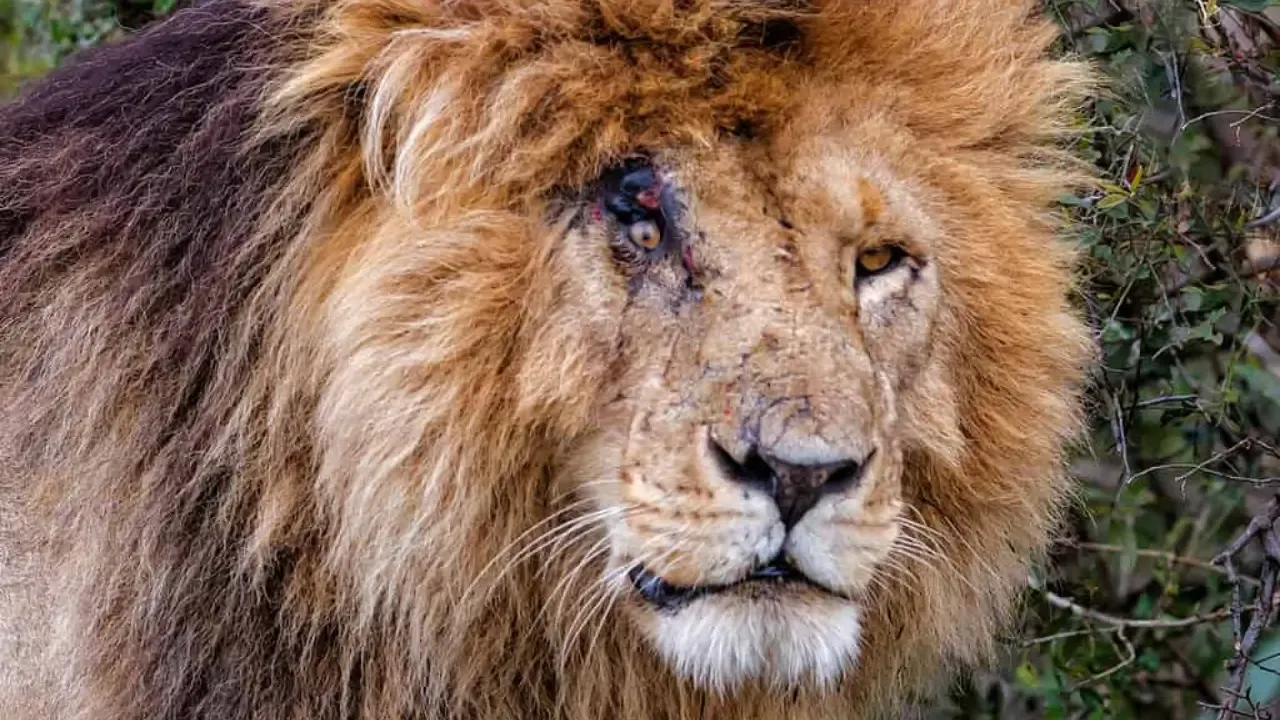
He ruled alongside his three coalition brothers; Morani, Sikio, and Hunter forming a fearsome group known to locals as the Four Musketeers. Together, they controlled vast stretches of the Mara and led multiple prides.
But even among his powerful brothers, Scarface stood out. His wild mane, gnarly face, and fierce personality drew global attention. Tourists, conservationists, and photographers from around the world followed his life closely.
He became the star of wildlife documentaries, featured in the BBC’s Big Cat Diary, and even had his own Facebook page.
Scarface’s reign defied expectations. Most male lions rule for only two or three years before being overthrown or killed. But Scarface lasted nearly a decade. And unlike most lions who fall to rivals or hyenas, Scarface wrote his own ending.
In June 2021, at the age of 14, a remarkable age for a wild lion, he passed away peacefully under the shade of an acacia tree. The Kenyan Wildlife Service confirmed that his death was natural, with no disturbance from vehicles, predators, or other threats.
In his final days, observers noted he was visibly weakening. Yet, in a final show of determination, he dragged himself 25 kilometers back toward his original territory the land of his birth. Even when near younger, stronger lions known as the Salas males, Scarface held his ground. The young lions let him be. None dared to challenge him, not even in his final hours.
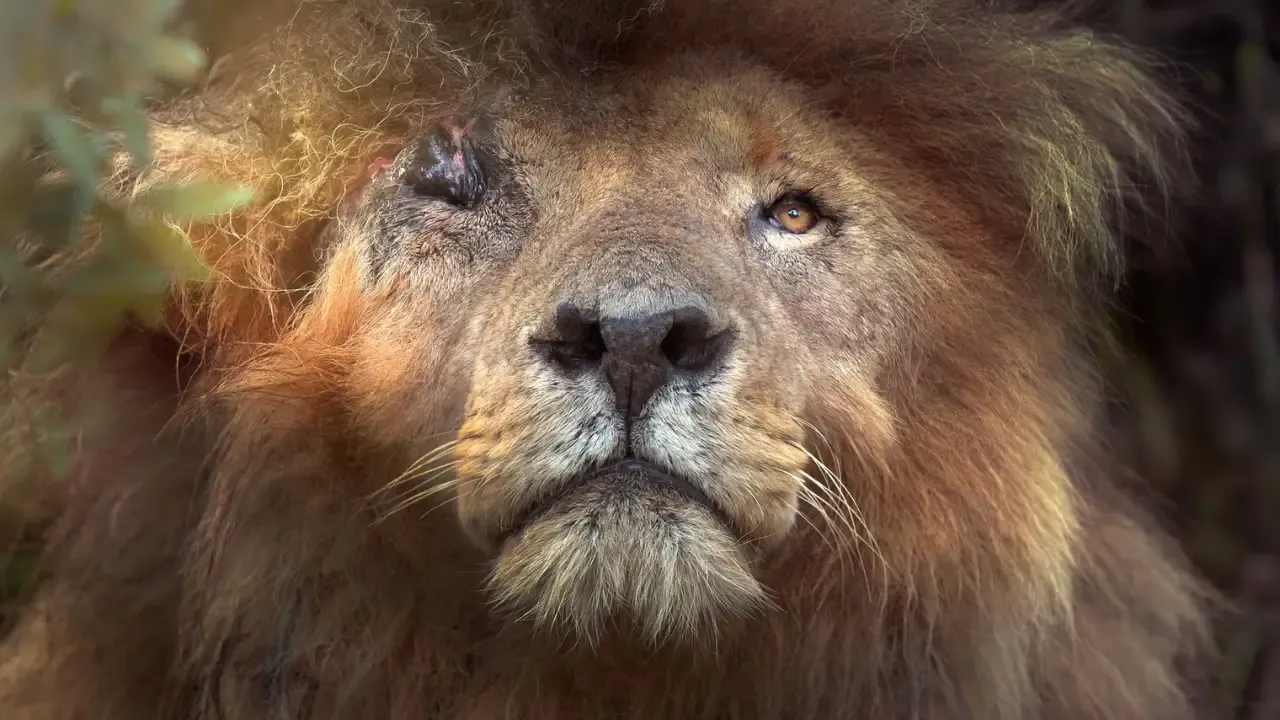
Photographer George Logan, who worked on the Born Free Foundation’s Pride Before the Fall project, called him the “rockstar of the Mara.” With his massive mane and unmatched reputation, Logan believes Scarface was the most famous lion in the world. He became a global symbol of strength, survival, and wild freedom.
His death marked the end of the Four Musketeers coalition, with Scarface being the last surviving member. But more than that, it marked the end of an era for the Maasai Mara. His story resonated far beyond Kenya’s borders.
For those who grew up watching The Lion King or sharing that magic with their children, Scarface reminded the world why we admire lions. Not just for their power, but for their spirit.
As conservationists mourned his passing, they also reflected on what his life represents. The lion population in Africa has dropped from around 100,000 in the 1960s to fewer than 20,000 today.
The pandemic’s hit to tourism severely impacted conservation funding, further threatening the survival of wild lions. Scarface’s story now serves as both a tribute and a warning, a reminder of nature’s majesty, and what could be lost if we don’t protect it.
Scarface died as he lived wild, proud, undefeated. He wasn’t just a lion. He was the lion.