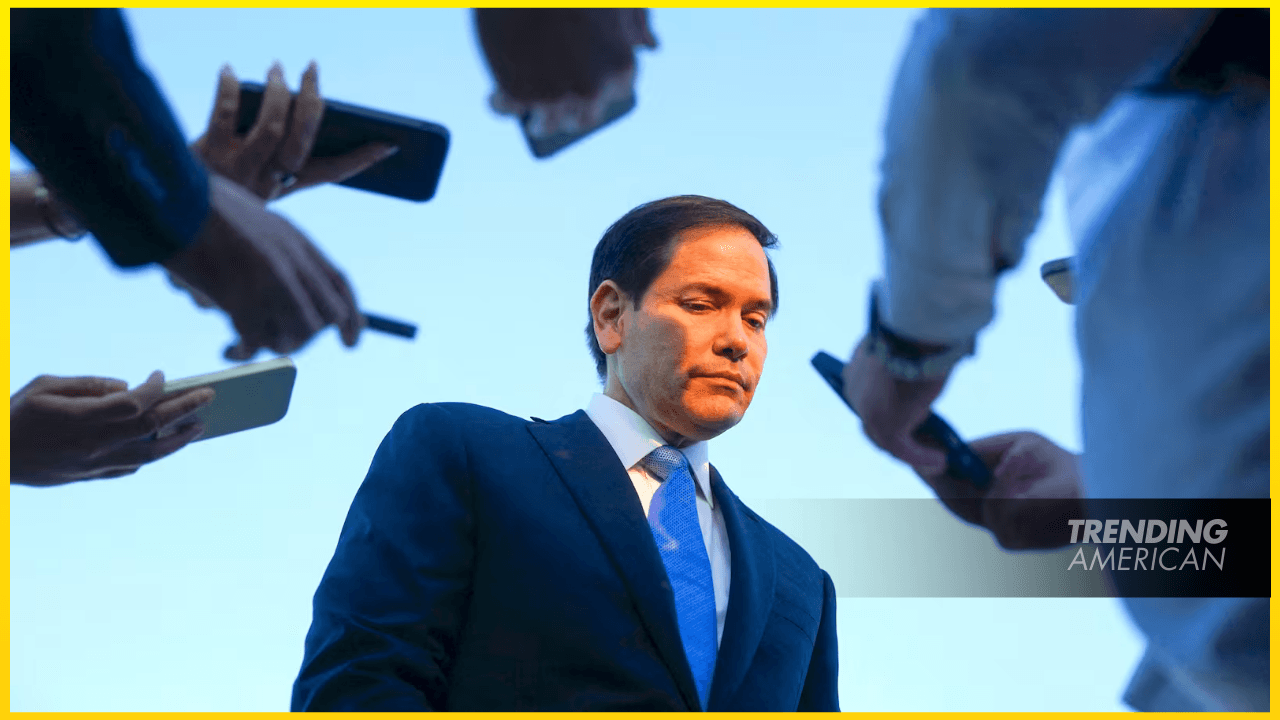
In a high-stakes chapter of Trump-era diplomacy, Senator Marco Rubio’s authority appears to be tested by Steve Witkoff, the administration’s self-described special envoy. The Daily Beast reports, citing NBC News and State Department officials, that Witkoff sidestepped Rubio to press ahead with Ukraine talks in Geneva and Paris, advancing a 28-point peace plan that critics say could concede ground to Moscow and complicate allied unity.
The dispute centers on leadership and strategy at a moment when Washington is trying to align its approach to the war in Ukraine with European and NATO partners. According to The Daily Beast’s coverage, NBC News has corroborated that Witkoff conducted last-minute meetings in Geneva that bypassed Rubio, and that he also arranged a one-on-one discussion with French President Emmanuel Macron in Paris without Rubio present. These moves have fed the perception of a split in how to pursue diplomacy, even as both men publicly echo the president’s goals.
A separate thread of reporting describes a Florida meeting that Rubio learned about only after Ukrainian officials raised questions with U.S. counterparts. The sequence, if true, underscores a pattern in which Witkoff appears to pursue a path separate from Rubio’s traditional line—one that emphasizes a concrete, 28-point blueprint for negotiation whereas Rubio is associated with a sterner stance in favor of stronger European and NATO backing.
Why this matters goes beyond personnel tensions. The 28-point plan, critics say, risks offering concessions that could erode Ukrainian leverage or signal to Moscow that Washington is ready to entertain territorial compromises. Rubio’s posture, by contrast, has been associated with a tougher line that seeks to sustain allied pressure and sustain robust support from Europe and NATO. The divergence raises questions about whether the administration, under Trump’s overarching approach to diplomacy, can maintain a unified strategy in a complex and shifting conflict.
State Department spokesperson Steve Pigott pushed back on the rift narrative, saying Rubio and Witkoff maintain a close working relationship and remain aligned with the president’s goals. The denial is part of a broader effort to project cohesion at a moment when foreign policy decision-making in the administration is highly scrutinized by lawmakers, allies in Europe, and Kyiv alike.
The reporting—drawn from The Daily Beast with NBC News input and State Department references—highlights the friction between competing avenues to peace: Witkoff’s one-size-fits-all 28-point blueprint and Rubio’s emphasis on unity with European partners and NATO backing. For now, Washington appears to be navigating a tension that could either yield a more concerted strategy or expose fractures that complicate diplomacy on a critical front. As the situation unfolds, observers will be watching whether the administration can reconcile these competing visions or risk a protracted internal struggle that sows uncertainty for Ukraine’s allies.
Disclosure: We may earn a commission when you make a purchase through the ads.